

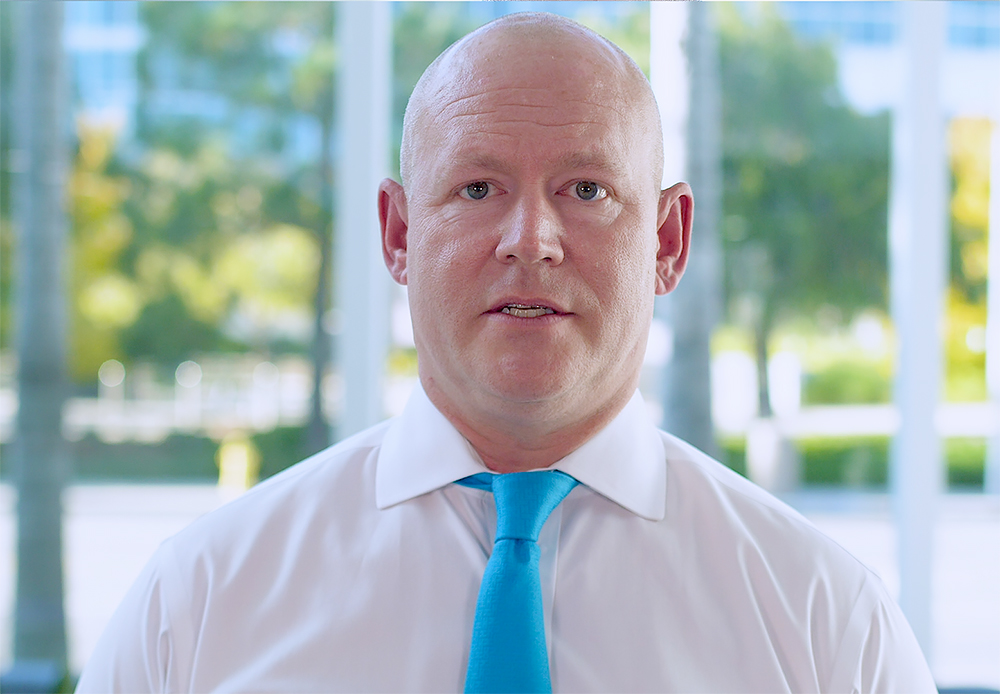
Dr. Richard Gillespie Appeals to Current and Former Smokers, Explains “Pack-years.”
As November marks Lung Cancer Awareness Month, Providence Saint John’s Health Center and the Saint John’s Cancer Institute are amplifying a critical message: early detection saves lives. In a recent interview, Richard Gillespie, MD, thoracic surgeon at Saint John’s Cancer Institute in Santa Monica, underscores why lung cancer screening is one of the most powerful tools available today to protect individuals at risk. For many, lung cancer is a silent disease—showing no symptoms until it has already advanced—making proactive screening essential.
Lung cancer remains challenging to diagnose early because, as Dr. Gillespie emphasizes, most patients experience no warning signs in the beginning. There is often no cough, no chest pain, and no breathing difficulty until the disease has progressed. Detecting the disease at its earliest stages dramatically improves survival, allowing specialists to intervene with curative treatment rather than react to advanced symptoms.
“What’s interesting about lung cancer is that it’s hard to find…It starts small and it’s asymptomatic.”
– Richard Gillespie, MD
A Screening Test for Lung Cancer for Those Most at Risk
More than a decade ago, a landmark study published in the New England Journal of Medicine transformed the landscape of early detection. The research demonstrated that low-dose CT (LDCT) screening can reduce lung cancer mortality by 20% in high-risk patients. This finding elevated lung cancer screening to the level of other lifesaving checks—like mammography for breast cancer or colonoscopy for colon cancer. LDCT uses significantly less radiation than a standard CT scan, making it a safe, effective tool for detecting lung nodules before patients ever feel unwell.
Screening, however, is tailored—not everyone needs it. Dr. Gillespie outlines simple criteria to determine whether someone qualifies as high risk. Individuals aged 50–80 who have accumulated 20 pack-years of smoking (for example, one pack a day for 20 years, or two packs a day for 10 years) and who currently smoke—or quit within the past 15 years—are eligible for annual low-dose CT screening. Meeting these criteria means screening is not only recommended but covered and strongly encouraged.
Dr. Richard Gillesspie Explains How Lung Screening Works and Who Qualifies
Lung cancer screening is now available for current and former smokers who meet guidelines.
For anyone unsure whether they qualify, the next step is simple: talk to your physician, your pulmonologist, or the screening specialists at Saint John’s Cancer Institute. If you meet the guidelines, Dr. Gillespie recommends undergoing a chest CT scan once every year until age 80. “If we can find something early, it’s worth it,” he reminds.
“We want you to be well.”
– Richard Gillespie, MD
Saint John’s Cancer Institute offers a multidisciplinary, patient-centered team dedicated to early detection, diagnosis, and advanced treatment for lung cancer. Whether you have concerns, questions, or believe you may qualify for screening, you are encouraged to reach out. Early detection changes outcomes—and no one should wait for symptoms to appear before taking action.
If you or a loved one may be at risk, visit SaintJohnsCancer.org to learn more about lung cancer screening, eligibility, and expert care close to home. The best time to act is now.
Learn more:
Lung Cancer Screening
Pulmonary and Thoracic Oncology Center of Excellence:
Thoracic Oncology
Physician Bio:
Richard Gillespie, MD
#lungcancer #lungcancerscreening #lungcancertreatment #lungcancerawareness