

Pathology plays a central role in cancer diagnosis and treatment planning. By examining tissue, cells and molecular findings, pathologists help determine what a disease is, how it should be characterized and which information other specialists need to guide the next step in care.
Much of this work happens behind the scenes, but the pathology report may be one of the most important documents in a patient’s care. At Providence Saint John’s Health Center, pathologists work closely with surgeons, medical oncologists, radiation oncologists and other specialists across the Centers of Excellence to support diagnosis, staging and treatment planning.
From Biopsy to Diagnosis
When imaging, an examination or another test identifies an area of concern, a biopsy may be performed to obtain a small sample of tissue. That tissue is prepared in the laboratory and examined by a pathologist, who looks for changes in the cells and tissue that can help determine whether the finding is benign, precancerous, cancerous or related to another disease process.
The pathology report communicates those findings to the clinical team. Depending on the diagnosis, additional testing may be performed to further characterize the disease and provide information that can influence treatment decisions.
The Specialist Behind the Diagnosis
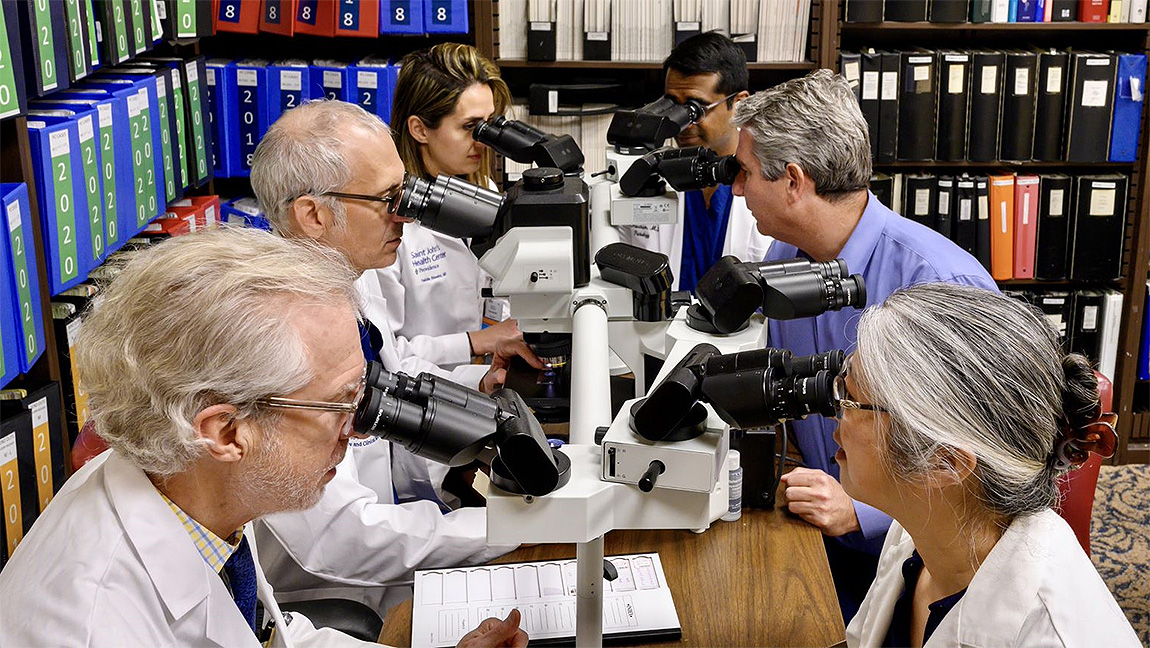
Most patients never meet their pathologist directly, but the pathologist works closely with the physicians who do. Surgical pathologists specialize in examining tissue removed during biopsy or surgery and provide diagnostic and staging information that helps other specialists understand the disease and plan care.
What the Pathologist Looks For
The specific findings depend on the type of tissue and condition being evaluated. A pathology report may describe the type of tumor, how the cells appear under the microscope, whether cancer is present at a surgical margin, whether lymph nodes contain cancer and other features that help characterize the disease.
For some cancers, additional laboratory or molecular testing may provide information about proteins, receptors, gene changes or other biomarkers that can help refine the diagnosis or guide treatment.
How Pathology Helps Guide Treatment
A diagnosis rarely stands alone. Pathology findings are considered together with imaging, physical examination, surgical findings, medical history and other clinical information when a treatment plan is developed.
Because different cancers require different information, the pathology team works with specialists across Saint John’s clinical programs. Pathologists also participate in multidisciplinary cancer conferences where pathology findings can be reviewed alongside imaging and other patient information.
Breast Cancer
A breast biopsy can determine whether a finding is benign or cancerous and, when breast cancer is diagnosed, pathology can help identify the cancer type and other characteristics used in treatment planning. Depending on the diagnosis, testing may include hormone receptors, HER2 and other biomarkers that help breast surgeons, medical oncologists and radiation oncologists determine which treatments should be considered. The Margie Petersen Breast Center incorporates breast pathology as part of its multidisciplinary care model.
Gastrointestinal & Hepatobiliary Cancers
For cancers involving the colon, rectum, liver, pancreas, stomach, esophagus or other digestive organs, pathology helps establish the tumor type and may identify features that influence surgery, systemic therapy or additional molecular testing. Pathology is part of the multidisciplinary gastrointestinal and hepatobiliary treatment team.
Melanoma & Skin Cancer
For melanoma and other skin cancers, pathology can help determine the tumor type, depth and other features important to staging and treatment planning. When a sentinel lymph node biopsy is performed, microscopic examination of the removed lymph node helps determine whether cancer has spread beyond the primary tumor site.
Endocrine Tumors
Thyroid, parathyroid, adrenal and other endocrine conditions can require detailed evaluation of tissue and cellular features to distinguish among different tumor types and benign conditions. Pathology findings are considered with imaging, laboratory testing and the clinical evaluation when determining the appropriate next step.
Thoracic & Pulmonary Conditions
Biopsy specimens from the lung, airways, lymph nodes or other structures in the chest can help establish a diagnosis and identify the type of cancer when one is present. Additional testing may help determine whether targeted or other systemic treatments should be considered.
Multidisciplinary Pathology Review
Pathology is closely integrated with multidisciplinary cancer care at Providence Saint John’s Health Center. Pathologists routinely review and present findings at cancer conferences involving specialties such as breast, thoracic, gastrointestinal, genitourinary, skin and neuroscience.
This collaboration gives surgeons, medical oncologists, radiation oncologists, radiologists and other specialists an opportunity to evaluate the pathology findings together with imaging and clinical information before treatment decisions are finalized.
Molecular & Specialized Testing
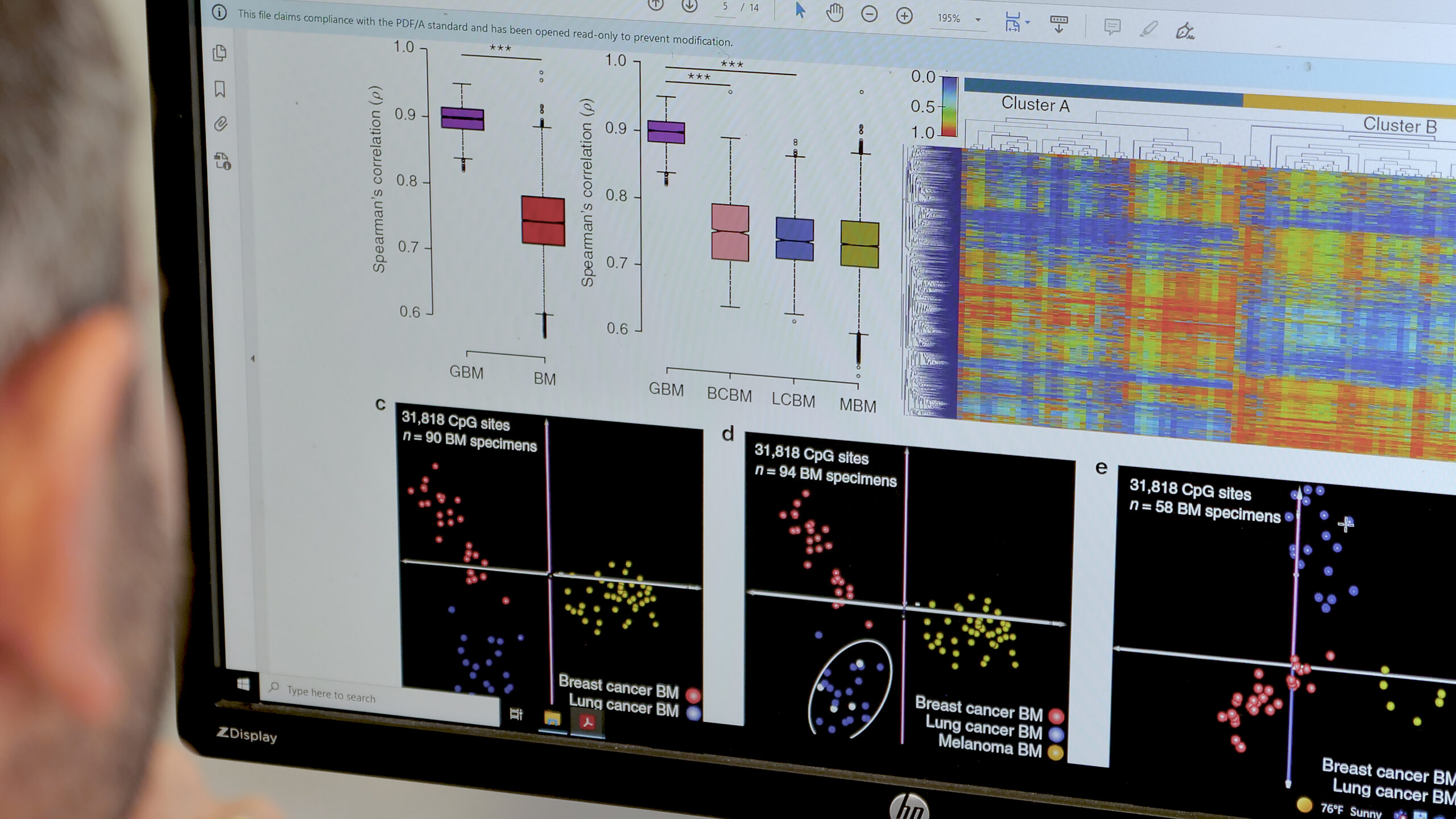
Modern pathology extends beyond what can be seen under a microscope. Depending on the type of cancer and clinical question, tissue may undergo immunohistochemical, molecular or genetic testing to identify characteristics that can help classify the tumor, clarify prognosis or guide treatment.
Not every patient requires the same tests. The type and extent of testing depend on the diagnosis, the available tissue and the information needed by the clinical team.
Research & Innovation in Pathology
Pathology has also played an important role in the research history of Saint John’s Cancer Institute. During the development of sentinel lymph node biopsy for melanoma and breast cancer, Institute investigators and pathologists helped establish methods for examining sentinel lymph nodes that became part of modern cancer staging.
That connection between laboratory science, pathology and clinical care continues through translational research designed to improve how cancers are detected, characterized and monitored.
Understanding Your Pathology Results
A pathology report contains detailed medical information, but patients should not have to interpret it alone. Your treating physician can explain the findings, how they relate to your diagnosis and whether additional testing or treatment should be considered.
Behind every pathology report is a diagnostic process designed to give the clinical team the clearest information possible for coordinated decision-making and individualized care.
Meet our Team of Pathologists
Saint John’s pathologists have studied at some of the nation’s top academic cancer institutions, including Memorial Sloan-Kettering Cancer Center, Stanford University, University of Pennsylvania, Mayo Clinic, UC San Francisco, UCLA, and USC, among others.