In addition to the specialized medical care available through our Centers of Excellence, Providence Saint John’s Health Center offers Cancer Support Services to address the physical, emotional, social, and spiritual needs of patients and their loved ones.
These services complement cancer treatment and provide individualized support throughout diagnosis, treatment, recovery, and survivorship.
Care for Life
Cancer affects more than physical health. A diagnosis and its treatment can influence emotional well-being, family relationships, nutrition, mobility, daily activities, and financial stability. At Providence Saint John’s Health Center, Cancer Support Services brings together clinical and supportive care professionals to help patients and loved ones navigate these challenges throughout the cancer journey.
Support for the Whole Person
Cancer Support Services works alongside medical and surgical oncology teams to address needs that extend beyond the treatment of cancer itself. Support may be appropriate when patients are newly diagnosed, preparing for treatment, adjusting to changes in health, recovering from surgery, or living with ongoing effects of cancer. Family members and caregivers may also need information, emotional support, and practical guidance as they help someone through treatment.

Our services include:
- Psycho-Oncology and Specialized Psychiatric Services
- Cancer Survivorship Care
- Oncology Social Work
- Nutritional Counseling
- Cancer Rehabilitation and Prehabilitation
- Genetic Counseling
- Spiritual Care
- Palliative Care and Pain Management
- Jean L. Gilbert Cancer Special Needs Program
- Milton & Ruth Berman and Family Cancer Mentorship Program
Patients may receive support from one or several services as their needs change. The Cancer Support Services team can help identify appropriate resources and explain how to access available programs.
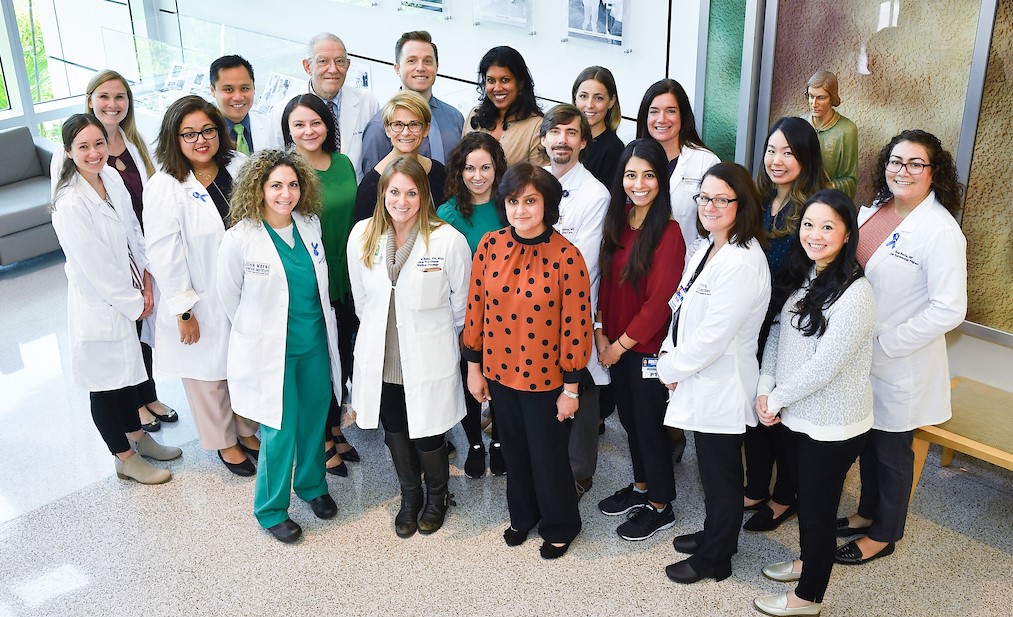
Meet the specialists who provide these services on our Cancer Support Team page.
Cancer Support Programs
Our programs support patients and families through the medical, emotional, and practical challenges associated with cancer. Each service addresses different needs, and recommendations may change as a patient moves through treatment, recovery, or long-term follow-up.
Survivorship Care

Cancer survivorship begins at diagnosis and continues throughout treatment and beyond. Survivorship care addresses the ongoing physical, emotional, and practical effects of cancer while helping patients navigate changes in their health and daily lives. A survivorship nurse practitioner and other members of the care team may assist with coordination of services, treatment-related concerns, wellness planning, and transitions between active treatment and follow-up care.
Survivorship programming may include support groups, patient education, peer mentorship, assistance with financial concerns, and resources for caregivers. Some patients experience ongoing fatigue, cognitive changes, anxiety about recurrence, or difficulty returning to previous routines. Individualized support can help identify these concerns and connect patients with appropriate clinical or community resources.
Psycho-Oncology Program
Psycho-oncology addresses the emotional, psychological, and cognitive effects of cancer and its treatment. Patients may experience anxiety, depression, sleep difficulties, changes in concentration, or challenges coping with uncertainty and changes in daily life. These concerns can arise at diagnosis, during treatment, after treatment ends, or when cancer returns. Specialized mental health care can help patients and families develop strategies for managing these experiences.
The psycho-oncology team may include psychiatrists, oncology social workers, nurse practitioners, and other professionals trained to address mental health concerns in the context of cancer care. Services are tailored to the patient’s symptoms, medical treatment, and individual needs.
Specialized Psychiatric Services
Psychiatric evaluation and treatment may be appropriate when emotional or cognitive symptoms affect a patient’s well-being, relationships, functioning, or ability to participate in care. Services may include assessment, counseling, medication management, and coordination with the patient’s oncology team when indicated.

Common reasons patients seek support include:
- Difficulty coping with a cancer diagnosis or treatment
- Anxiety, depression, fear, or persistent emotional distress
- Sleep difficulties, including insomnia
- Changes in memory, attention, or concentration sometimes described as “chemo brain”
- Emotional effects of changes in physical functioning or appearance
- Challenges returning to work, relationships, or daily activities
- Existing mental health conditions that require additional attention during cancer care
Additional information about neurological and mental health services is available through the Pacific Neuroscience Institute.
Oncology Social Work
Oncology social workers help patients and families address the practical and emotional challenges that may accompany cancer. Their work can include supportive counseling, assessment of distress, assistance navigating healthcare systems, and referrals to community services. Patients may need guidance concerning insurance, disability benefits, employment, transportation, lodging, financial concerns, or changes in family responsibilities.
Social workers can also help patients and caregivers communicate concerns, identify sources of support, and navigate periods of uncertainty. Emotional distress may take many forms, including sadness, fear, anger, difficulty sleeping, reduced concentration, or feeling overwhelmed by medical decisions. Social work support is intended to help patients identify these needs and access resources appropriate to their circumstances.
Periodic well-being assessments may help the care team recognize concerns that patients do not immediately raise during medical appointments. When additional services are needed, oncology social workers can coordinate referrals with other members of the Cancer Support Services team.
Nutritional Counseling
Cancer and its treatment can affect appetite, digestion, taste, swallowing, weight, and the body’s nutritional needs. Registered dietitians provide individualized guidance to help patients maintain adequate nutrition and manage treatment-related eating difficulties. Recommendations may address nausea, digestive changes, unintentional weight loss, difficulty maintaining strength, or the need for specialized dietary support.
Nutritional needs vary depending on the diagnosis, treatment, other medical conditions, and stage of recovery. Counseling may also consider diabetes, kidney or liver disease, food intolerances, and changes in nutrient absorption after surgery. Appropriate nutrition support can help patients meet their needs during treatment and recovery, although no particular diet can guarantee prevention of complications or improved cancer outcomes.
Learn more about Nutrition and Cancer.
Genetic Counseling
Genetic counseling helps patients and families understand whether inherited genetic changes may influence their risk of developing certain cancers. A genetic counselor or genetics specialist reviews personal and family medical history, assesses potential hereditary risk, and explains when genetic testing may be appropriate. Testing can sometimes provide information relevant to cancer screening, prevention, treatment decisions, or the health of family members.
Not all cancers are hereditary, and a family history of cancer does not necessarily mean an inherited mutation is present. Genetic counseling helps patients understand the possible benefits, limitations, and implications of testing before making a decision. When results identify increased hereditary risk, the care team may discuss appropriate screening, prevention, and family counseling options.
Learn more about Cancer Genetics and Genetic Counseling.
Cancer Rehabilitation and Prehabilitation
Cancer treatment can affect physical strength, endurance, balance, mobility, and the ability to perform everyday activities. Physical and occupational therapists help patients address these changes through individualized rehabilitation plans. Services may be appropriate before treatment, during treatment when medically suitable, or throughout recovery. Rehabilitation goals can include improving mobility, maintaining physical function, reducing treatment-related limitations, and supporting greater independence.
Prehabilitation focuses on preparing patients physically before major treatments such as surgery. Rehabilitation after treatment may address fatigue, weakness, changes in gait or balance, pain associated with movement, or difficulty returning to work and daily routines. The treatment plan is adapted to the individual’s diagnosis, medical precautions, physical capabilities, and recovery goals.
Learn more about Oncology Prehabilitation and Rehabilitation.
Spiritual Care
Serious illness can raise questions about meaning, purpose, hope, relationships, and personal beliefs. Spiritual care provides a supportive setting for patients and loved ones to explore these concerns, whether or not they identify with a particular religion. Chaplains offer confidential, respectful support for people of different faith traditions and for those without a religious affiliation.
Patients and families may request spiritual support when facing a new diagnosis, preparing for major treatment, coping with grief or loss, or considering difficult healthcare decisions. Chaplains may also help with spiritual or ethical concerns and can facilitate connections with religious leaders when requested. Spiritual care is offered in accordance with the patient’s own values and preferences.
Learn more about Spiritual Care at Saint John’s.
Palliative Care and Pain Management
Palliative care is specialized medical care focused on improving quality of life for people living with serious illnesses, including cancer. It addresses pain, fatigue, nausea, shortness of breath, emotional distress, and other symptoms that can affect daily functioning. Palliative care can be introduced at any stage of illness and provided alongside chemotherapy, radiation, surgery, immunotherapy, or other cancer-directed treatments.
Depending on a patient’s needs, palliative care may involve medication adjustments, symptom-management strategies, discussions about treatment goals, assistance with complex decisions, and coordination with other care services. It also recognizes the needs of caregivers and family members. Palliative care is not the same as hospice care and does not require a patient to stop receiving treatment for cancer.
Special Needs Assistance and Peer Mentorship
Cancer can create unexpected financial, practical, and emotional challenges for patients and their families. The Jean L. Gilbert Cancer Special Needs Program and the Milton & Ruth Berman and Family Cancer Mentorship Program are part of Saint John’s history of patient-centered support. These programs recognize that assistance beyond medical treatment may make an important difference for people navigating cancer.
Patients who need practical assistance or would like to learn about peer mentorship can contact Cancer Support Services to ask about current program offerings, participation requirements, and available resources. Opportunities for assistance may depend on individual needs and program availability.
Every cancer journey is different, and the support you need may change along the way. Whether you are beginning treatment, adjusting to life after cancer, or caring for someone you love, our Cancer Support Services team is here to help you navigate the challenges and connect with resources that matter to you.
If you have questions about our programs or would like assistance finding the right support, please Contact the Cancer Support Team. We welcome the opportunity to help you take the next step.