Urology and Urologic Oncology Center of Excellence

Saint John’s Cancer Institute’s Urology and Urologic Oncology Center of Excellence provides comprehensive care for urologic cancers and conditions, including prostate, kidney, bladder and testicular cancers, as well as benign prostate and urinary conditions. Our specialists bring together urologic oncology, medical oncology, radiation oncology, minimally invasive treatment, research and supportive care to develop treatment plans based on each patient’s diagnosis, health and individual priorities.

Urology Team - Saint John's Health Center Urologic Surgery and Fellow Training Dr. Linehan - da Vinci Robot Dr. Przemyslaw W. Twardowski reviews lab results at Saint Johns Cancer Institute

Urology and Urologic Oncology Care at Saint John’s

Saint John's Health Center
Saint John’s Health Center in Santa Monica, CA.

Finding the right care begins with understanding the condition and the options available to treat it. Our specialists at Saint John’s Cancer Institute advance urologic research and clinical trials while caring for patients at Saint John’s Health Center with cancerous and noncancerous urologic conditions.

By connecting research with patient care, our team brings extensive clinical expertise, advanced treatments and a multidisciplinary approach to each patient’s individual needs.

Care Starts with Understanding Your Symptoms

what is stress urinary incontinence?
Understanding your condition is the first step to providing well-informed urologic care.

Urologic symptoms can be deceptively similar across very different conditions. Changes in urination, discomfort, blood in the urine or an abnormal test result may have a common and treatable cause, but they can also occur with conditions that require more careful evaluation. Because the same symptom can point in several directions, experienced urology teams look for important differences in how symptoms develop, medical history and test results to determine which additional tests or imaging may be appropriate.

If you have a diagnosis, an abnormal test result or symptoms that need further evaluation, our Urologic Conditions resources can help you understand what may be happening, how different conditions are evaluated and what questions may come next.

Explore Urologic Conditions

How Treatment Options Are Presented

Treatment is not the same for every patient, even when the diagnosis is similar. Depending on the condition, care may include monitoring, surgery, radiation therapy, minimally invasive or focal treatments, systemic therapy, reconstruction or a combination of approaches.
Explore Urologic Treatment Options

Care for Urologic Conditions and Cancers

Urologic conditions can affect the kidneys, bladder, urinary tract and male reproductive system, and they range from common noncancerous conditions to complex cancers. Our specialists evaluate each condition in the context of the whole patient, considering symptoms, test results, overall health, quality of life and how a condition may affect urinary, sexual, reproductive or kidney function.

Urologic Cancer Care

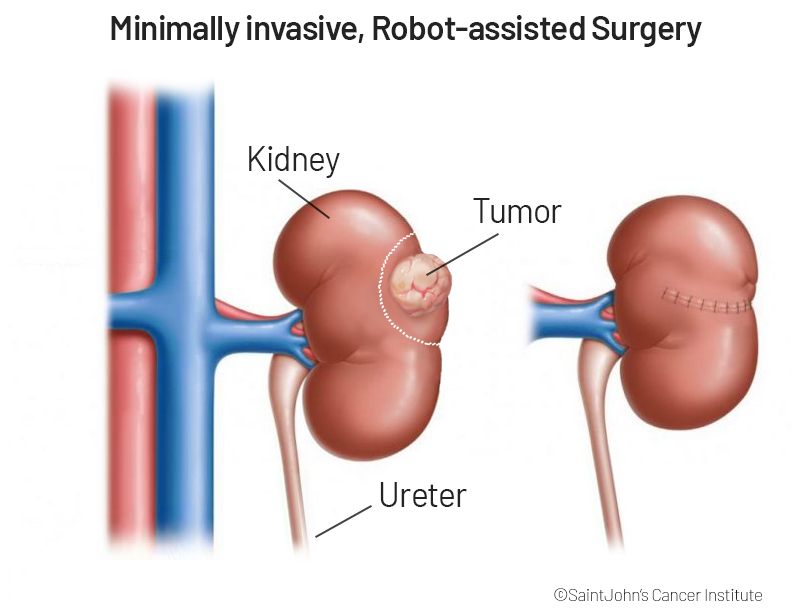
minimally invasive robot assisted surgery - kidney
Treatment may involve minimally invasive technques, which can improve recovery time.

Our urologic oncology team provides care for prostate, kidney, bladder, upper urinary tract and testicular cancers. Evaluation and treatment are individualized according to the type and extent of the cancer, its biological characteristics, the patient’s overall health and the potential effects of treatment on long-term function and quality of life.

Benign Prostate and Urinary Conditions

Not every urologic problem is cancer. Our specialists also evaluate and treat conditions including benign prostatic hyperplasia (BPH), kidney stones, urinary obstruction, voiding dysfunction and other problems that can interfere with urinary function or quality of life.

Men’s Health & Wellness

Men’s health concerns may involve urinary, sexual and reproductive function and can sometimes overlap with prostate conditions or the effects of cancer treatment. Our approach considers these concerns as part of the patient’s overall health and treatment goals rather than as isolated symptoms.

Learn More About Urologic Conditions

Treatment Designed Around the Patient

Dr. Mehran Movassaghi treats prostate cancer with the HIFU Foca One System
The right team of specialists helps to ensure patients have as many care options as possible, which helps to improve quality of life.

Choosing a urologic treatment involves more than identifying a procedure. Our specialists consider the diagnosis, extent of disease, overall health, previous treatment and individual priorities while weighing cancer control or symptom relief alongside urinary, sexual, reproductive and kidney function and overall quality of life.

More Than One Treatment Path May Be Possible

Depending on the condition, treatment may involve active surveillance, surgery, radiation therapy, minimally invasive or focal treatment, systemic therapy, reconstruction or a combination of approaches. When more than one option is appropriate, understanding the potential benefits, limitations and effects of each approach can help patients participate in treatment decisions with their care team.
Quality of Life Is Part of the Treatment Decision

How treatment may affect life afterward is an important part of planning care. Our specialists consider both the immediate goals of treatment and longer-term concerns such as urinary and sexual function, kidney function, recovery and the ability to return to everyday activities.

Jennifer Linehan, MD, discusses quality of life as an important consideration in urologic care.

Care Across Multiple Specialties

Some patients benefit from the involvement of more than one specialist during their care. Urologic surgeons, medical oncologists, radiation oncologists and other specialists can work together when needed to determine how different treatments may fit into an overall care plan. The urology team at Saint John’s Health Center works together proactively, discussing cases in tumor board discussions to optimize care.

Explore Urologic Treatment Options

How Technology Supports Urologic Care

Technology can give physicians additional ways to plan and deliver treatment, visualize anatomy and protect surrounding tissues. The value of any technology depends on how it is used for the individual patient, which is why our specialists consider these tools within the larger treatment plan rather than as treatments chosen simply because they are available.

Robotic-Assisted Surgery

Dr. Jennifer Linehan - Urologic Surgery
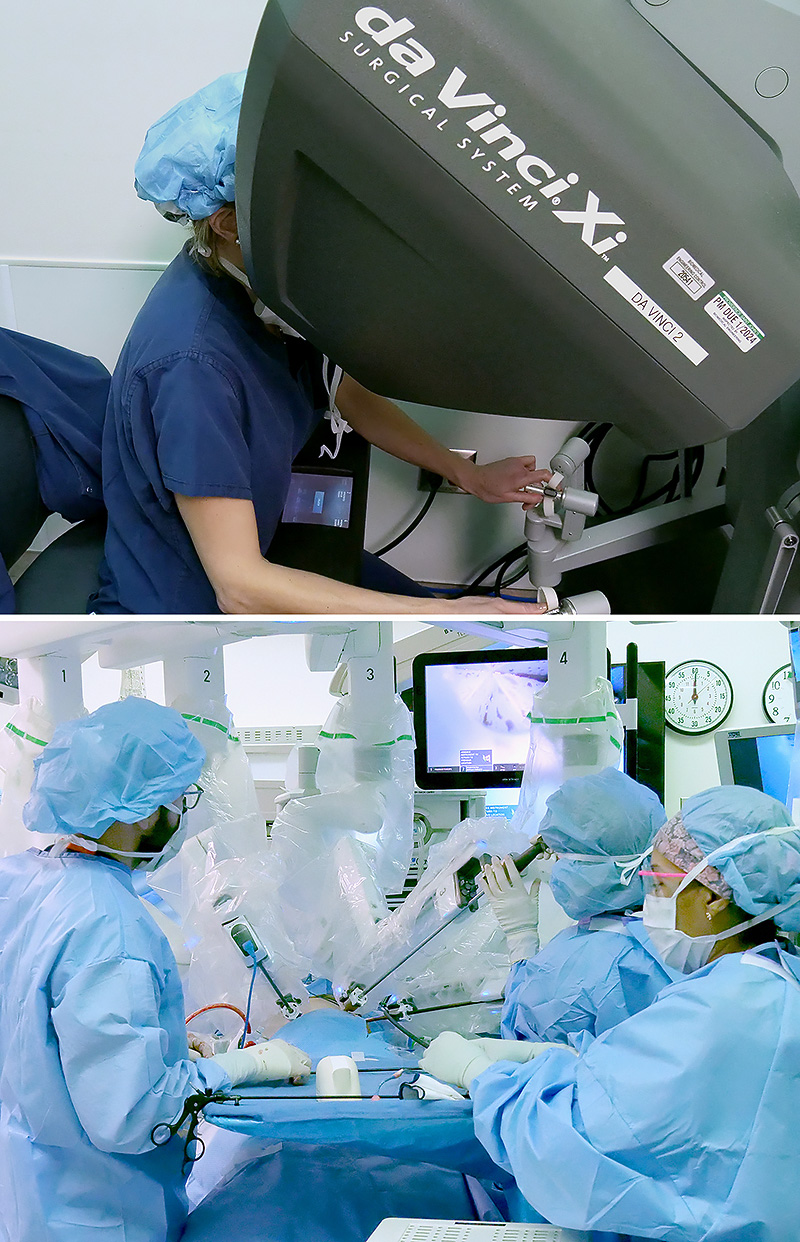
Dr. Jennifer Linehan controls the da Vinci surgical robotic supported by a surgical team at Saint John’s Health Center.

Robotic surgical systems provide surgeons with magnified three-dimensional visualization and instruments designed for precise movement through small incisions. In appropriate procedures, these capabilities can support detailed dissection, suturing and reconstruction while the surgeon remains in control of every step of the operation.

Learn More About Robotic Prostate Cancer Surgery  |  Robotic Urologic Reconstruction

High-Intensity Focused Ultrasound (HIFU)

HIFU uses concentrated ultrasound energy to heat and destroy targeted prostate tissue without a surgical incision. For carefully selected patients with localized prostate cancer, focal HIFU may provide a treatment option designed to target the area of cancer while limiting treatment of surrounding prostate tissue; continued cancer surveillance remains important afterward.

Learn More About HIFU for Prostate Cancer

Radiation Planning and Treatment

Modern imaging and treatment-planning technologies help radiation oncologists target cancer while managing radiation exposure to nearby healthy structures. For some patients receiving radiation therapy for prostate cancer, a temporary spacer such as SpaceOAR Hydrogel may be used to increase the distance between the prostate and rectum and reduce radiation exposure to the rectum.

Learn More About Radiation Therapy for Urologic Cancers

3D Imaging and Surgical Planning

Patient-specific imaging can be transformed into three-dimensional visualizations that help surgeons better understand the relationship between a tumor and surrounding anatomy before a procedure. In kidney surgery and other complex cases, this additional perspective can support surgical planning and discussions about how an operation may be approached.

Urology Specialists Advancing Patient Care

Our Urology and Urologic Oncology team brings together specialists in surgery, medical oncology and radiation oncology with researchers investigating new approaches to cancer detection, treatment and monitoring. This connection between clinical care and research helps physicians evaluate established treatments while also considering emerging approaches and clinical trials when they may be appropriate.

A Team Built Around Urologic Care

Urologic conditions can involve complex decisions about cancer treatment, urinary function, sexual health, kidney function and quality of life. Our specialists contribute expertise across these areas and collaborate with other physicians and supportive care teams when a patient’s needs extend beyond a single specialty.

Meet Our Urology and Urologic Oncology Team

Research Connected to Patient Care

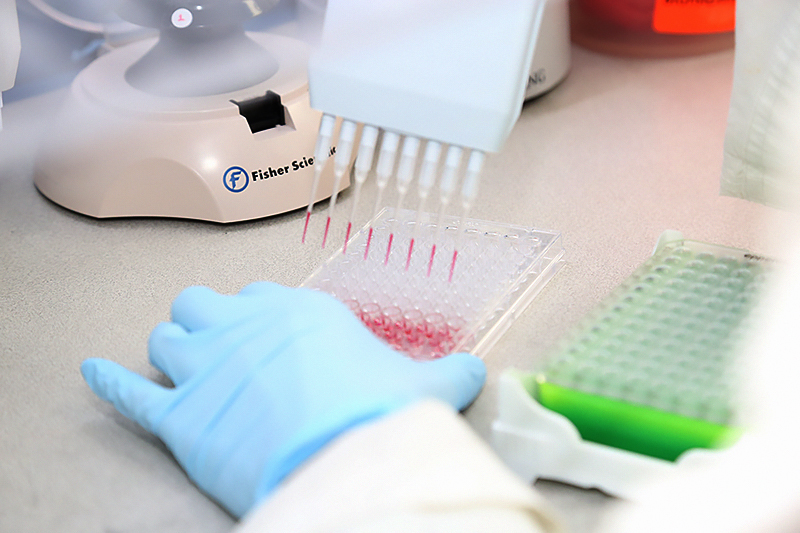
Urologic Cancer Research - Saint Johns Cancer Institute
Urologic cancer research – Saint Johns Cancer Institute

Research at Saint John’s Cancer Institute includes clinical and translational studies designed to improve how urologic cancers are understood, detected and treated. By connecting laboratory investigation with clinical experience, researchers can study questions that arise in patient care and explore how new discoveries may eventually contribute to more individualized approaches to treatment.

Clinical Trials

Clinical trials evaluate new treatments, combinations of therapies and other approaches to cancer care under carefully defined research protocols. For eligible patients, participation may provide access to an investigational approach while also contributing knowledge that can help improve care for future patients.

Explore Urology Research and Clinical Trials

Your Urology Team at Saint John's Health Center

We are making a difference and we prove it every day.

Our clinical team, including Jennifer Linehan, MD, Mehran Movassaghi, MD, and Przemyslaw Twardowski, MD, brings extensive experience in urologic care, cancer treatment and research. We welcome your questions and concerns and are here to help you and your family better understand your diagnosis, treatment options and next steps.

Support and Resources for Your Care

Questions often continue after a diagnosis or treatment decision has been made. Saint John’s Cancer Institute provides resources to help patients and families better understand their care, find additional support and know where to turn when new questions arise.

Answers to Common Urology Questions

Questions about urinary symptoms, PSA results, cancer diagnoses and treatment options are common. Our frequently asked questions provide straightforward answers and connect you with more detailed information when you want to explore a topic further.

Explore Urology Frequently Asked Questions

Support Beyond Treatment

Cancer care can affect emotional well-being, relationships, nutrition, daily life and the people supporting you. Cancer Support Services at Saint John’s helps patients and families address needs that may arise throughout diagnosis, treatment, recovery and survivorship.

Explore Patient and Family Resources

Have Questions or Ready to Connect?

If you have questions about a urologic condition, a diagnosis or which type of care may be appropriate, our Urology and Urologic Oncology team can help you determine the next step.

Call 310-582-7137 or contact Urology and Urologic Oncology.

If you have questions regarding treatment or wellness for men or women, please call today.

US News & Word Report - High Performing Hospitals - Urology

Providence St. John’s Health Center

High Performing in Urology

Saint John’s Health Center is nationally ranked and in the top 10% for Urology

Learn more at Health.USNews.com.