
At Providence Saint John’s Health Center, our urology specialists evaluate problems with bladder storage, urinary control and bladder emptying to identify the underlying cause of voiding dysfunction. Treatment is personalized to improve urinary function and quality of life, with options ranging from behavioral and medical therapy to advanced minimally invasive and surgical treatments.
What Is Voiding Dysfunction?
Voiding dysfunction describes problems with how the bladder stores urine, controls urination or empties urine from the body. These problems can result from changes involving the bladder, urethra, pelvic floor or nervous system, as well as medications, previous medical treatment and other health conditions.
Symptoms may include urinary leakage, frequent or urgent urination, difficulty starting or maintaining a urine stream, incomplete bladder emptying or urinary retention. Identifying the specific type and cause of dysfunction is important because treatments for problems with urinary storage and control can be very different from treatments for difficulty emptying the bladder.
Urinary Incontinence
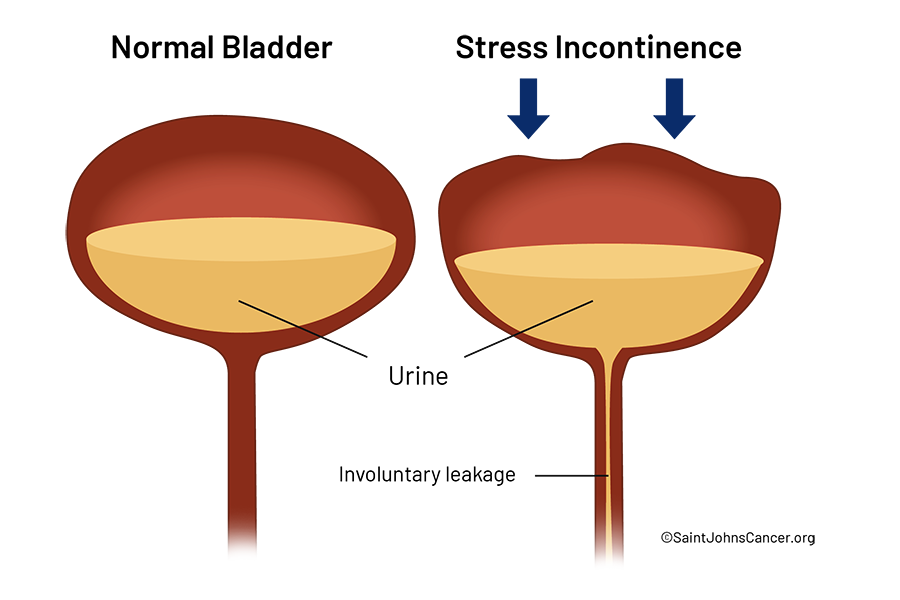
Urinary incontinence is the involuntary leakage of urine. Determining when leakage occurs and what triggers it can help distinguish among several different forms of incontinence and guide treatment.
Stress Urinary Incontinence
Stress urinary incontinence (SUI) occurs when increased pressure on the abdomen and bladder causes urine to leak. Common triggers include coughing, sneezing, laughing, lifting and exercise.
Urgency Urinary Incontinence
Urgency urinary incontinence occurs when a sudden, difficult-to-control need to urinate is followed by involuntary leakage. It is often associated with overactive bladder and may occur along with increased urinary frequency or nighttime urination.
Mixed Urinary Incontinence
Mixed urinary incontinence includes both stress and urgency components. Because more than one mechanism contributes to leakage, treatment may need to address each component separately.
Overflow Incontinence
Overflow incontinence can occur when the bladder does not empty adequately and becomes overly full, resulting in leakage. Possible causes include urinary obstruction, impaired bladder contraction, neurologic conditions and certain medications.
Overactive Bladder

Overactive bladder (OAB) is characterized by urinary urgency—a sudden need to urinate that can be difficult to postpone. It may also cause frequent urination, waking during the night to urinate and urgency urinary incontinence, although not everyone with OAB experiences leakage.
Overactive bladder becomes more common with age but can affect adults at different stages of life. Symptoms may be associated with changes in bladder function, neurologic conditions, medications and other factors, and sometimes no single underlying cause is identified.
Difficulty Emptying the Bladder and Urinary Retention
Some forms of voiding dysfunction affect the bladder’s ability to empty rather than its ability to store urine. Symptoms can include a weak or interrupted stream, difficulty beginning urination, straining, a sensation that the bladder has not emptied completely or an inability to urinate.
Urinary retention may result from a physical obstruction, reduced bladder-muscle function, neurologic dysfunction, medication effects or problems coordinating the bladder and urinary sphincter. Determining whether an obstruction is present is particularly important because the underlying cause influences treatment.
How Is Voiding Dysfunction Diagnosed?
Because urinary leakage, urgency and difficulty emptying the bladder can have different causes, diagnosis begins by understanding a patient’s symptoms, medical history and urinary patterns. Testing is individualized and may range from simple urine and bladder measurements to more detailed evaluation of how the bladder stores and empties urine.
Medical History and Urinary Symptoms
Your urologist may ask about the timing and frequency of urination, leakage, urgency, nighttime urination, difficulty emptying and previous urinary or pelvic treatment. A bladder diary may also help identify patterns by recording fluid intake, urination, urgency and leakage over several days.
Urinalysis
A urine sample can help identify conditions such as urinary tract infection or blood in the urine that may contribute to symptoms or require additional evaluation. Other urine testing may be recommended depending on the patient’s symptoms and medical history.
Post-Void Residual Measurement
A post-void residual measures how much urine remains in the bladder after urination. This is commonly measured with a bladder ultrasound and can help determine whether the bladder is emptying adequately.
Urinary Flow Testing
Uroflowmetry measures the amount and rate of urine flow during urination. When interpreted together with symptoms and the amount of urine remaining in the bladder, it can provide useful information about bladder emptying and possible obstruction.
Urodynamic Testing
When more detailed functional information is needed, urodynamic testing can evaluate how the bladder stores urine and how pressure, urinary flow and the urinary sphincter behave during filling and emptying. It can be particularly useful when symptoms are complex, the diagnosis remains uncertain or previous treatment has not resolved the problem.
Cystoscopy and Additional Testing
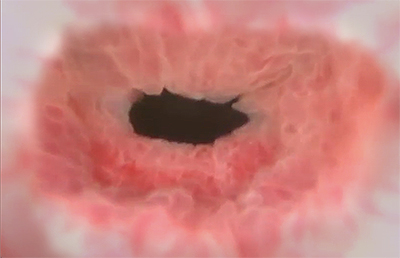
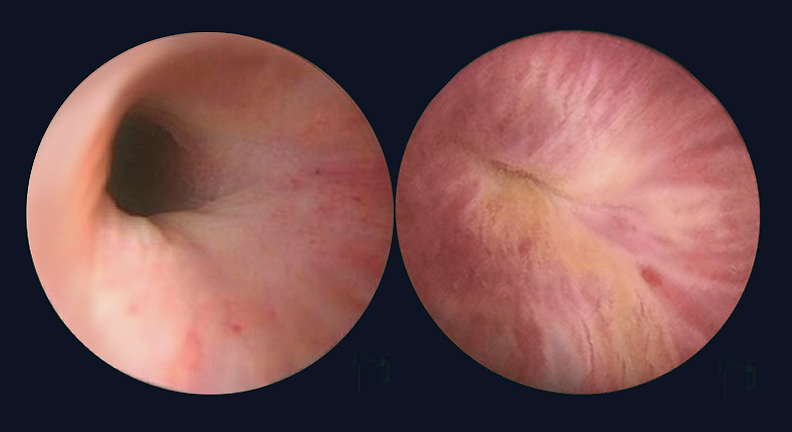
Cystoscopy is not necessary for every patient with voiding dysfunction, but it may be recommended when the urologist needs to directly examine the urethra and bladder. Imaging or other specialized testing may also be used when symptoms suggest an anatomical problem, urinary obstruction or another underlying condition.
When testing identifies a physical blockage or narrowing affecting urinary drainage, treatment may focus on correcting the obstruction. Learn more about Urinary Obstruction & Urologic Reconstruction.
How Is Voiding Dysfunction Treated?
Treatment depends on whether the primary problem involves urinary storage, urgency, leakage, bladder emptying or a combination of these problems. Many patients can begin with behavioral, pelvic floor or medical therapies, while others may benefit from minimally invasive procedures or surgery based on the underlying condition and severity of symptoms.
Behavioral and Pelvic Floor Therapy

Behavioral treatment can help improve bladder control and reduce disruptive urinary symptoms without surgery. Depending on the type of dysfunction, treatment may include bladder training, timed voiding, pelvic floor muscle exercises, pelvic floor physical therapy, biofeedback and changes in fluid or bladder habits.
Medications for Overactive Bladder
Medication may be considered when urgency, frequency or urgency urinary incontinence continues despite behavioral treatment or when patients prefer medical therapy. Two commonly used medication classes are antimuscarinic medications and beta-3 adrenergic agonists, which work in different ways to improve bladder storage and reduce overactive bladder symptoms.
Medication selection is individualized according to symptoms, other health conditions, medications and potential side effects. Your urologist can help determine whether medication is appropriate and which type best fits your overall health and treatment goals.
Bladder Botox
Botulinum toxin, commonly known as Botox®, can be injected into the bladder muscle to reduce involuntary bladder activity in selected patients with overactive bladder. Treatment can improve urgency, frequency and urgency urinary incontinence, although its effects are temporary and repeat treatment may eventually be needed.
Potential risks include urinary tract infection and difficulty emptying the bladder. Patients are evaluated before and after treatment so these risks and the possibility of temporary catheterization can be discussed appropriately.
Sacral Neuromodulation
Sacral neuromodulation uses a small implanted device to deliver mild electrical stimulation to nerves near the base of the spine that are involved in bladder control. By helping regulate communication between the bladder and nervous system, it can improve symptoms in selected patients with overactive bladder or non-obstructive urinary retention.
Patients generally undergo an evaluation or test phase before longer-term treatment to determine whether symptoms improve sufficiently to make implantation appropriate.
Percutaneous Tibial Nerve Stimulation
Percutaneous tibial nerve stimulation (PTNS) is a minimally invasive office-based treatment for overactive bladder. A small needle electrode placed near the ankle delivers gentle electrical stimulation to the tibial nerve, which communicates with the sacral nerve pathways involved in bladder function.
PTNS is typically provided as a series of treatments, and some patients may benefit from ongoing maintenance therapy after the initial treatment course.
Treatment for Stress Urinary Incontinence
Stress urinary incontinence occurs when movement or physical activity increases pressure on the bladder and causes urine to leak. When pelvic floor therapy and other nonsurgical approaches do not provide sufficient improvement, several procedures can help restore urinary control. Treatment differs for women and men and is selected according to the severity and cause of leakage, previous treatment and individual goals.
Treatment for Women With Stress Urinary Incontinence
Urethral Bulking
Urethral bulking is a minimally invasive treatment in which a bulking material is injected into tissue around the urethra to help it close more effectively. It can reduce leakage associated with coughing, laughing, exercise and other activities that increase pressure on the bladder.
The procedure generally involves less recovery than surgical approaches, although results and durability vary and repeat treatment may be needed. Your urologist can discuss whether bulking therapy or another treatment is more appropriate for your degree of stress incontinence.
Midurethral Sling
A midurethral sling supports the urethra to help prevent leakage during physical activity. The procedure typically uses a narrow strip of synthetic mesh positioned beneath the urethra and is an established surgical option for appropriately selected women with stress urinary incontinence.
Different surgical approaches can be used to place the sling. Patients considering a synthetic sling should discuss expected benefits, potential complications, mesh-related risks and available alternatives with their surgeon.
Autologous Fascial Sling
An autologous fascial sling uses a strip of the patient’s own tissue, usually obtained from the abdominal wall or thigh, to support the urethra. This provides a surgical alternative for patients who prefer or are better suited to a sling made without synthetic mesh.
Burch Colposuspension
Burch colposuspension, also called retropubic suspension, uses sutures to support tissue near the bladder neck and urethra. It is another established surgical option for selected women with stress urinary incontinence and may be considered according to anatomy, previous surgery and patient preferences.
Treatment for Men With Stress Urinary Incontinence
Male stress urinary incontinence can occur when the urinary sphincter has been weakened or damaged, including after treatment for prostate conditions. The severity of leakage, previous surgery or radiation, urethral health and other factors help determine which treatment is most appropriate.
Artificial Urinary Sphincter
An artificial urinary sphincter is an established treatment for moderate-to-severe male stress urinary incontinence, particularly when leakage occurs after prostate treatment. The implanted system uses a fluid-filled cuff around the urethra, a pressure-regulating reservoir and a small pump positioned in the scrotum.
The cuff remains closed to help prevent leakage. When the patient activates the pump, fluid temporarily moves out of the cuff so the urethra can open for urination. The system then automatically returns to its closed position.
Male Sling
A male sling supports the urethra to improve urinary control and may be appropriate for selected men, generally when leakage is less severe. The sling is positioned through small surgical incisions and does not require the patient to operate a mechanical device.
Previous radiation treatment, the severity of incontinence, urethral health and other clinical factors can influence whether a sling or artificial urinary sphincter is the more appropriate approach. Treatment selection should therefore be individualized rather than based on leakage alone.
Personalized Treatment for Voiding Dysfunction
Voiding dysfunction can have many causes, and similar urinary symptoms do not always require the same treatment. At Providence Saint John’s Health Center, our urology specialists work to identify the underlying problem first and then develop a treatment plan that considers urinary function, overall health, previous treatment and the patient’s priorities.
Whether symptoms involve urinary leakage, overactive bladder or difficulty emptying the bladder, the goal is to restore better urinary control and function while using the least invasive treatment appropriate for each patient.
If you have questions regarding voiding dysfunction or treatments, please call today, or Click Here to make an appointment.