At Providence Saint John’s Health Center and Saint John’s Cancer Institute, our urology specialists provide advanced evaluation and personalized treatment for upper tract urothelial carcinoma (UTUC), a rare cancer of the renal pelvis and ureter. Care is guided by the location, grade and risk of the cancer, with an emphasis on preserving kidney function whenever clinically appropriate while providing comprehensive treatment for more aggressive disease.
What Is Upper Tract Urothelial Carcinoma?
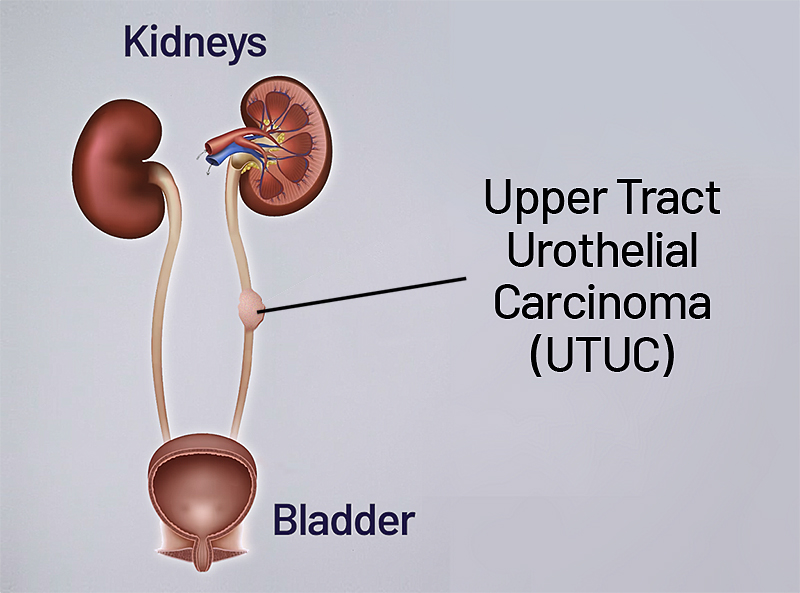
Upper tract urothelial carcinoma develops from urothelial cells lining the renal pelvis—the part of the kidney that collects urine—and the ureters, which carry urine from the kidneys to the bladder. These are the same type of cells that line the bladder, which is why UTUC is more closely related to bladder cancer than to the renal cell cancers commonly referred to as kidney cancer.
UTUC is much less common than bladder urothelial cancer. Because treatment depends heavily on tumor grade, location, extent and other risk characteristics, careful evaluation is important when determining whether the affected kidney can safely be preserved or more extensive treatment is needed.
Symptoms and Diagnosis
Blood in the urine is the most common warning sign of UTUC, although some tumors cause few or no symptoms and are discovered during imaging performed for another reason. Diagnostic evaluation is designed not only to confirm the cancer but also to determine its location and characteristics so treatment can be matched to the risk of the disease.
Common Symptoms
Symptoms vary according to the location and extent of the tumor and whether it interferes with urinary drainage. Possible signs of UTUC include:
- Blood in the urine, or hematuria, which may be visible or microscopic
- Persistent flank, side or back pain
- Unexplained fatigue, decreased appetite or weight loss in some patients with more advanced disease
Diagnostic Evaluation
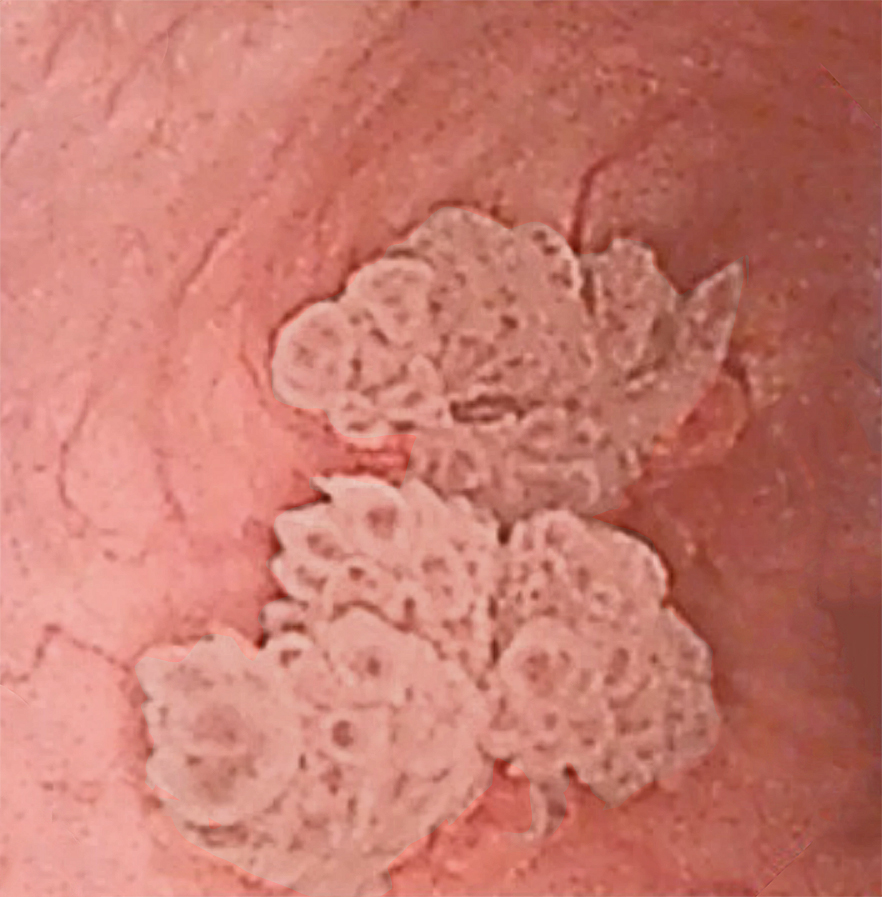
Evaluation typically combines imaging, urine testing and direct examination of the upper urinary tract. CT urography can provide detailed images of the kidneys and ureters, while ureteroscopy allows the urologist to directly inspect a tumor and obtain tissue when appropriate. Urine cytology can provide additional information about abnormal urothelial cells, and the bladder is also evaluated because urothelial tumors can occur in both the upper urinary tract and bladder.
- CT urography or other appropriate imaging of the kidneys and ureters
- Ureteroscopy with biopsy when appropriate for direct tumor assessment
- Urine cytology to evaluate abnormal urothelial cells
- Evaluation of the bladder for additional urothelial tumors
Low-Risk and High-Risk UTUC
After evaluation, physicians assess characteristics that help predict how the cancer is likely to behave. Tumor grade, biopsy findings, imaging, urine cytology, tumor appearance and other clinical features help determine whether UTUC has favorable lower-risk characteristics or features associated with higher-risk disease.
This distinction is particularly important because selected lower-risk tumors may be treated with kidney-sparing approaches, while high-grade, invasive or otherwise higher-risk cancers generally require more extensive treatment.
Personalized Treatment for UTUC
Treatment is tailored to the biological characteristics and location of the cancer as well as kidney function, overall health and patient goals. Options range from endoscopic and localized kidney-sparing therapies to reconstructive surgery, radical nephroureterectomy and systemic treatment for higher-risk or advanced disease.
Kidney-Sparing Treatment
For appropriately selected lower-risk UTUC, kidney-sparing treatment can provide cancer control while preserving as much kidney function as possible. Depending on the location and characteristics of the tumor, treatment may include ureteroscopic tumor ablation, localized upper-tract chemotherapy or surgical removal of a limited portion of the ureter.
Kidney preservation requires careful patient selection and continued surveillance because urothelial tumors can recur and additional treatment may be needed.
Mitomycin Gel for Low-Grade UTUC
For selected patients with low-grade UTUC, mitomycin can be delivered directly into the upper urinary tract in a gel formulation known as UGN-101 (Jelmyto). The formulation allows the chemotherapy medication to remain in contact with the upper urinary tract and provides a nonsurgical treatment option for appropriately selected low-grade disease.
Endoscopic and Organ-Preserving Surgery
Selected tumors may be treated through a ureteroscope using specialized instruments or energy to remove or destroy cancerous tissue. When a tumor is confined to an appropriate portion of the ureter, segmental or distal ureterectomy may allow the affected section to be surgically removed while preserving the kidney.
Radical Nephroureterectomy
For many high-risk or invasive cancers, treatment may require radical nephroureterectomy, which removes the affected kidney and entire ureter along with a small cuff of bladder tissue where the ureter enters the bladder. The need for this approach is determined by the location and extent of the cancer, tumor characteristics, kidney function and other individual factors.
Systemic Treatment and Clinical Trials
Patients with higher-risk, recurrent or advanced UTUC may benefit from systemic treatments such as chemotherapy, immunotherapy or other therapies selected according to the stage and genetic and molecular characteristics of the cancer. Saint John’s Cancer Institute also participates in clinical research evaluating new medications, drug-delivery approaches and treatment strategies for urothelial cancer.
Treatment Options for UTUC
Dr. Jennifer Linehan discusses research-based treatment options for upper tract urothelial carcinoma.
Multidisciplinary UTUC Care at Saint John’s
UTUC is a rare and challenging disease that behaves differently than typical kidney tissue cancers. By addressing kidney function, surgical options, and systemic therapies at the exact same time, Saint John’s Cancer Institute can design a highly personalized roadmap. This unified strategy reduces the time from diagnosis to treatment, minimizes conflicting medical opinions, and ensures that saving a patient’s kidney does not come at the expense of curing their cancer.

At Saint John’s Cancer Institute, UTUC treatment can bring together expertise in urologic oncology, medical oncology, radiology, pathology and clinical research. This multidisciplinary approach allows the care team to consider kidney preservation, cancer control, systemic treatment and clinical trial opportunities together rather than as separate decisions. Surgical considerations may focus on protecting renal function, while for low-risk or favorable tumors, the team aims to preserve the kidney using localized treatments like endoscopic tumor ablation. If the disease is high-risk or invasive, the team coordinates aggressive surgical removal to prevent regional or systemic spread. Medical oncologists introduce drug therapies early to target microscopic cancer cells that surgery alone might miss. Clinical trials, instead of being a treatment of “last resort,” can introduce patients to advanced therapies, novel liquid biopsies, or focal treatments at the time of diagnosis, transforming the trajectory of disease.
Meet Jennifer Linehan, MD, Urologic Oncologist
Jennifer Linehan, MD, is a urologic oncologist and Director of Urology Translational Research at Saint John’s Cancer Institute. Her work includes research in upper tract urothelial carcinoma and kidney-sparing treatment strategies, helping connect advances in translational and clinical research with individualized patient care.
Dr. Linehan participated in research involving UGN-101, the mitomycin gel developed for treatment of low-grade UTUC, and continues to participate in research aimed at expanding treatment options for patients with urothelial cancer. In the video below, she discusses her approach to care and the importance of surrounding patients with a multidisciplinary support team.
Dr. Jennifer Linehan discusses her approach to patient care and the multidisciplinary support available at Saint John’s Cancer Institute.
If you have been diagnosed with upper tract urothelial carcinoma or are seeking another opinion, our specialists can review your diagnosis and help determine whether kidney-sparing treatment, surgery or other therapies offer the most appropriate approach.
If you have questions regarding Upper Tract Urothelial Carcinoma (UTUC) treatment, or diagnosis, please call today. Click here to request an appointment.