
High-Intensity Focused Ultrasound (HIFU) is a minimally invasive approach that uses concentrated ultrasound energy to heat and destroy targeted prostate tissue. For carefully selected patients with localized prostate cancer, focal HIFU may allow treatment to be directed to the area containing clinically significant cancer while preserving untreated portions of the prostate.
What Is HIFU for Prostate Cancer?
HIFU uses high-energy ultrasound waves that are focused within a targeted area of the prostate. Where the ultrasound energy converges, heat is generated to ablate prostate tissue without requiring a surgical incision.
At Providence Saint John’s Health Center, HIFU treatment can be performed using the Focal One® system, which combines prostate imaging, treatment-planning software and focused ultrasound delivery. The goal is to create a treatment plan based on the location and extent of the cancer while considering nearby structures involved in urinary and sexual function.
Focal Treatment vs. Whole-Gland Treatment
Prostate cancer can sometimes be treated focally, meaning only a defined portion of the prostate is ablated rather than treating or removing the entire gland. Focal treatment is intended to control clinically significant cancer in the targeted area while reducing treatment exposure to surrounding prostate tissue and nearby structures.
HIFU can also be used for more extensive prostate tissue ablation in selected circumstances. The appropriate treatment area depends on the location, extent and characteristics of the cancer as well as the patient’s individual anatomy and treatment goals.
How Focal® HIFU Works
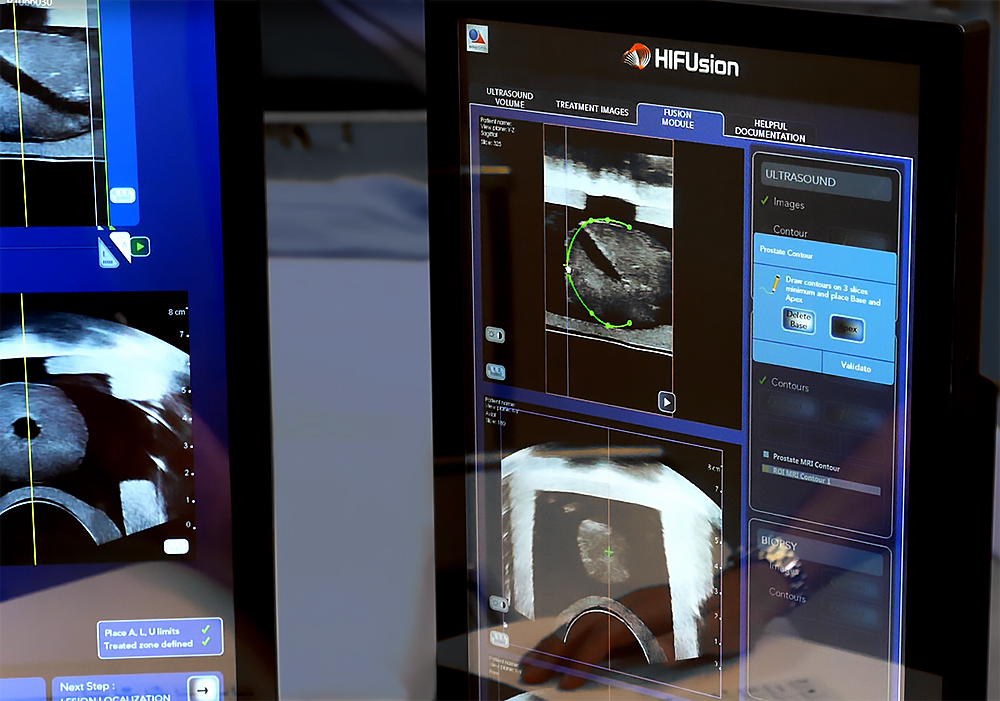
The Focal One® system uses an ultrasound probe positioned in the rectum to image the prostate and deliver focused ultrasound energy. Treatment planning can incorporate prostate imaging, including MRI information, to help the physician identify the area intended for ablation.
The physician defines the treatment area and controls delivery of the ultrasound energy. The focused energy produces heat within the targeted prostate tissue, resulting in tissue ablation while allowing treatment to be shaped around the individual anatomy.
Where HIFU Fits in Prostate Cancer Care
Localized prostate cancer can be managed in several ways depending on cancer risk, location and extent, along with age, overall health and patient priorities. Options may include active surveillance, surgery, radiation therapy and, for appropriately selected patients, focal therapies such as HIFU.
HIFU should not be viewed simply as a universal step between active surveillance and prostatectomy or radiation. Determining whether focal treatment is appropriate requires careful evaluation to establish where clinically significant cancer is located and whether treating a portion of the prostate provides an appropriate cancer-control strategy.
Patients considering monitoring rather than immediate treatment can learn more about Active Surveillance & Watchful Waiting for Prostate Cancer.
Learn About HIFU Focal One® Therapy
Men’s Health specialists at Providence Saint John’s explain HIFU treatment using Focal One®.
Who May Be a Candidate for Focal HIFU?
Focal HIFU may be considered for carefully selected patients with localized prostate cancer when the clinically significant cancer can be identified and appropriately targeted. Patient selection is important because prostate cancer can occur in more than one area of the gland, including areas that may not be treated during focal therapy.
Confirming the Location and Extent of Cancer
Evaluation before focal HIFU may include PSA testing, prostate MRI, biopsy findings, Grade Group and other clinical information. These findings help determine the location and characteristics of the cancer and whether focal treatment is appropriate.
Individualizing the Treatment Area
Focal therapy is not appropriate for every localized prostate cancer. The location, size and distribution of clinically significant disease, prostate anatomy, previous treatment and other patient-specific factors influence whether HIFU can adequately target the cancer while preserving untreated tissue.
Potential Benefits of Focal HIFU
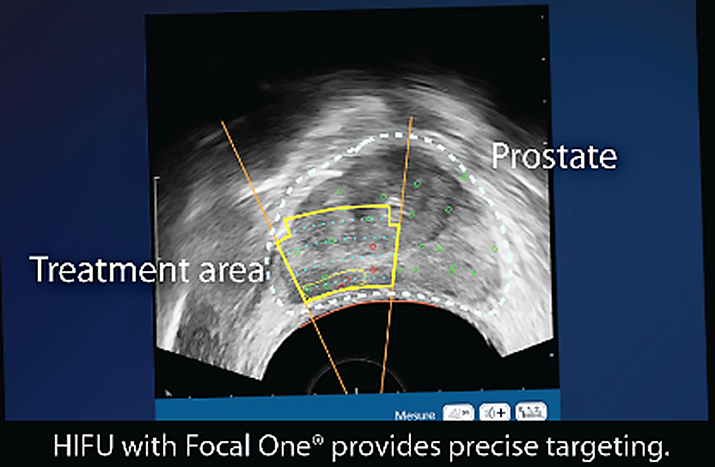
Because focal HIFU can treat a defined area rather than routinely treating the entire prostate, it may reduce exposure of surrounding tissue to treatment. Studies of appropriately selected patients have reported favorable urinary continence and erectile-function outcomes, although individual results vary and these functions cannot be guaranteed.
Preserving Urinary and Sexual Function
Urinary continence and erectile function are important considerations when choosing prostate cancer treatment. Limiting treatment to the targeted area may reduce effects on structures involved in these functions compared with more extensive treatment, but HIFU can still cause urinary, sexual and other side effects.
Treatment Without a Surgical Incision
Focal One® HIFU is performed transrectally and does not require a surgical incision through the abdomen or perineum. Ultrasound energy is delivered from the treatment probe to the targeted prostate tissue while the physician monitors and controls the procedure.
What Does the Evidence Tell Us About HIFU?

Clinical research on focal HIFU has shown encouraging cancer-control and functional outcomes in appropriately selected patients with localized prostate cancer. Contemporary studies also demonstrate that some patients remain free from radical treatment for several years following HIFU.
However, focal HIFU does not have the same depth of long-term comparative evidence as established treatments such as radical prostatectomy and radiation therapy. Patients considering HIFU should understand both its potential functional advantages and the possibility of persistent or recurrent cancer requiring continued surveillance, repeat focal treatment or another form of prostate cancer treatment.
Understanding Focal One® and FDA Clearance
Focal One® is cleared by the U.S. Food and Drug Administration for transrectal high-intensity focused ultrasound ablation of prostate tissue. FDA clearance of the device is not the same as an FDA indication specifically for the treatment of prostate cancer, an important distinction patients may encounter when researching HIFU.
For selected patients, HIFU is used as a focal therapy for localized prostate cancer based on clinical evaluation, available evidence and shared decision-making with an experienced urologist.
Is HIFU Right for Me?
Choosing HIFU requires more than determining whether prostate cancer is confined to the prostate. Your urologist must consider where clinically significant cancer is located, its Grade Group and extent, PSA and imaging findings, prostate anatomy, overall health, previous treatment and your priorities regarding cancer control, urinary function and sexual function.
For some patients, active surveillance may remain appropriate. For others, surgery or radiation therapy may provide a more established treatment approach. Focal HIFU may offer another option for carefully selected patients who understand both its potential benefits and the need for continued cancer surveillance.
About the Focal One® HIFU System
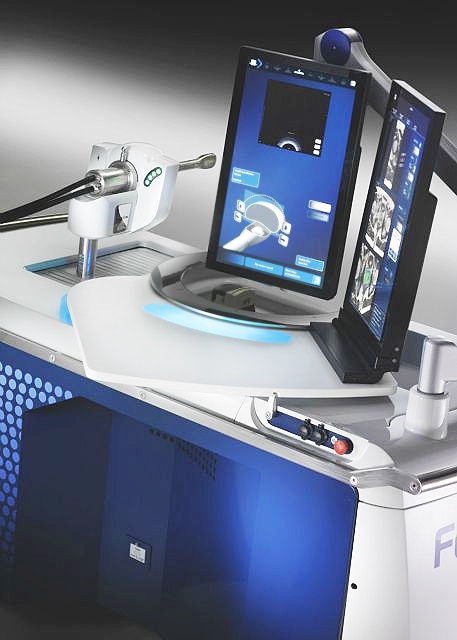
Focal One® is an image-guided high-intensity focused ultrasound system manufactured by EDAP TMS. The technology combines prostate imaging, treatment-planning software and therapeutic ultrasound in a single system, allowing the physician to plan and deliver HIFU treatment to a defined area of prostate tissue.
Imaging and Treatment Planning
Focal One® can incorporate prostate MRI information with real-time ultrasound imaging to help the physician identify the intended treatment area. The treatment plan can then be shaped according to the location of the targeted prostate tissue and the patient’s individual anatomy.
Focused Ultrasound Treatment
During treatment, the system delivers high-intensity ultrasound energy to the physician-defined area. The focused energy generates heat within the targeted tissue, producing ablation without requiring a surgical incision.
Evaluating Treatment
Imaging is used throughout the procedure to support treatment planning and assessment. The physician remains responsible for defining the treatment area, monitoring the procedure and determining whether additional treatment is appropriate.
For patients treated focally, preserving untreated portions of the prostate may help limit effects on urinary and sexual function. Individual outcomes vary, and continued prostate cancer surveillance remains necessary after focal HIFU.
View additional information and videos about focal therapy for prostate cancer.
HIFU Expertise at Providence Saint John’s Health Center

Mehran Movassaghi, MD, Director of Men’s Health at Providence Saint John’s Health Center, has extensive experience using HIFU and Focal One® technology for appropriately selected patients with localized prostate cancer. His experience with focal therapy allows patients to discuss HIFU within the broader range of prostate cancer management options rather than considering the technology in isolation.
At Saint John’s, the priority is selecting a treatment strategy appropriate for the cancer and the individual patient. When HIFU is considered, patients receive an evaluation of their cancer characteristics, imaging and treatment goals along with a discussion of alternatives, expected follow-up and the possibility that additional treatment may eventually be necessary.
Our Primary Goal Is Cancer Control
Preserving urinary continence, sexual function and quality of life are important goals of prostate cancer treatment, but they must be considered alongside effective cancer management. Focal HIFU is designed to balance these priorities by treating a defined area of clinically significant cancer while limiting treatment to other portions of the prostate when clinically appropriate.
If you have localized prostate cancer and are considering focal therapy, our urology specialists can help determine whether HIFU, active surveillance, surgery, radiation therapy or another treatment approach may be appropriate for you.
If you have questions about the HIFU procedure or Focal One®, please call today.Click here to request an appointment.