

Urologic Treatment Options
Treatment for a urologic cancer or condition depends on more than the diagnosis alone. Your care team considers the type and extent of disease, your anatomy and overall health, previous treatment, potential effects on function and quality of life, and your individual goals when determining which approach may be appropriate.
Some conditions can be monitored without immediate treatment, while others may benefit from surgery, radiation therapy, minimally invasive procedures or a combination of approaches. Explore the treatment options below to better understand how they work, when they may be considered and what they can mean for your care.
Explore Urologic Treatments
Active Surveillance & Watchful Waiting for Prostate Cancer
Not every prostate cancer requires immediate treatment. Learn how active surveillance uses structured monitoring to follow selected prostate cancers and how it differs from watchful waiting, which places greater emphasis on managing symptoms and quality of life.
Learn More about Active Surveillance.
Aquablation Therapy for BPH
Aquablation uses image-guided planning and a robotically controlled waterjet to remove prostate tissue that is obstructing urinary flow. Learn how the procedure works, who may be a candidate and what to consider when comparing treatment options for benign prostatic hyperplasia (BPH).
High-Intensity Focused Ultrasound (HIFU) for Prostate Cancer

HIFU uses focused ultrasound energy to destroy targeted prostate tissue without an incision. Learn how focal HIFU may be considered for carefully selected patients with localized prostate cancer and why continued cancer surveillance remains important after treatment.
Learn More about (HIFU) for Prostate Cancer.
Kidney Stone Treatment
Kidney stones do not always require a surgical procedure, but treatment may be needed when a stone causes persistent pain, urinary obstruction, infection or is unlikely to pass on its own. Depending on the stone’s size, location and other factors, treatment may include medication, ureteroscopy and laser treatment or other approaches designed to remove or break apart the stone and restore normal urine flow.
Learn More About Kidney Stones and Treatment
Medical Treatments for Urologic Cancers
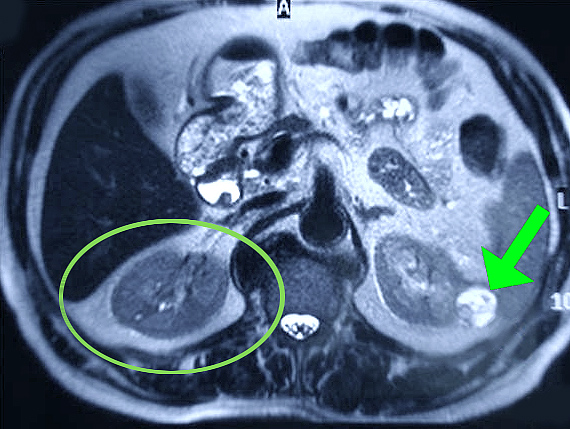
Medications can play an important role in treating urologic cancers, either as a primary treatment or together with surgery or radiation therapy. Depending on the type and stage of cancer, treatment may include chemotherapy, immunotherapy, hormone therapy, targeted therapy or medications delivered directly into the bladder.
For some bladder cancers, intravesical therapy delivers medication through a catheter directly into the bladder, allowing treatment to reach the bladder lining while limiting exposure to the rest of the body. Other urologic cancers may require medications that travel throughout the body to treat cancer cells wherever they are located.
Learn more:
Bladder Cancer | Prostate Cancer | Kidney Cancer | Upper Tract Urothelial Cancer | Testicular Cancer
Radiation Therapy for Urologic Cancers
Radiation therapy can be used as a primary treatment, after surgery or to help control advanced or metastatic disease depending on the cancer. Learn how radiation is used across prostate, bladder, kidney, upper urinary tract and testicular cancers and what patients can expect during treatment.
Learn More about Radiation Therapy.
Robotic Prostate Cancer Surgery
Robotic-assisted radical prostatectomy uses minimally invasive technology to help surgeons remove the prostate and perform detailed surgery within the pelvis. Learn what the technology contributes, how cancer control and preservation of function are considered, and what to expect after surgery.
Learn More about Robotic Prostate Cancer Surgery.
Robotic Urologic Reconstruction
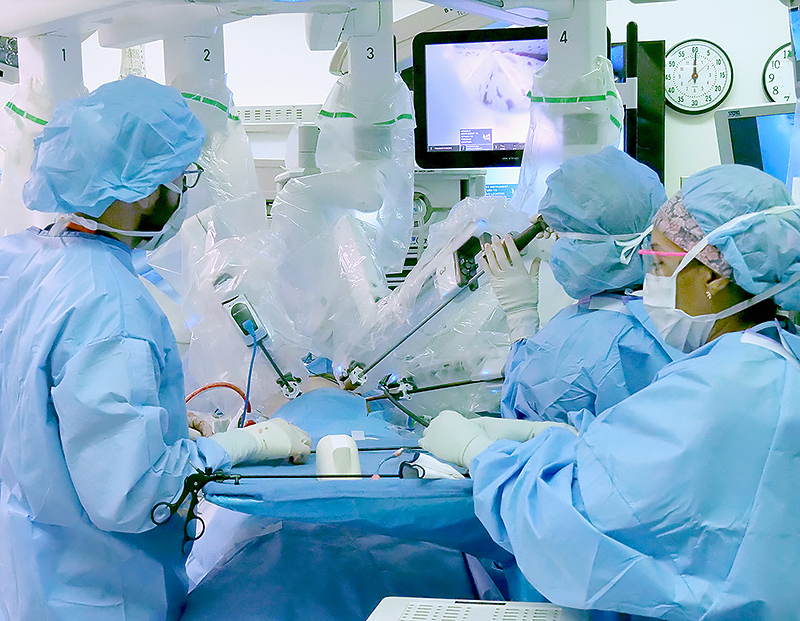
Reconstructive urologic surgery can restore or create pathways for urine when normal flow has been disrupted by obstruction, scar tissue, injury, cancer or previous treatment. Procedures may include repair of ureteral strictures, pyeloplasty for ureteropelvic junction (UPJ) obstruction and urinary reconstruction following bladder removal.
Learn More about Robotic Reconstruction.
Surgery for Urologic Cancers
Surgery can have very different purposes depending on the cancer being treated. Learn what surgery may accomplish for prostate, kidney, bladder, upper urinary tract and testicular cancers, how surgical approaches are selected and how surgery can fit within a larger treatment plan.
Not Sure Where to Begin?
If you are still learning about a diagnosis, start with our Urologic Conditions pages to understand the condition and how it is evaluated. From there, these treatment resources can help you explore the approaches that may become part of your care.

Choosing a treatment is not simply a matter of selecting a procedure. Different approaches may offer different considerations for cancer control, urinary or sexual function, kidney function, recovery and long-term quality of life.
Your urologist or urologic oncologist can help explain the options that apply to your diagnosis and how their potential benefits, limitations and risks relate to you. For additional information, please call 310-582-7137 or request an appointment.