Our specialists bring together endocrinology, minimally invasive thyroid treatments and surgery, advanced imaging, and expert pathology to help streamline evaluation and create highly effective and personalized treatment plans.
We focus on evidence-based care and life-long support tailored to each patient’s needs.
Comprehensive Thyroid and Endocrine Care
Our board-certified endocrinologists and expert surgeons offer specialized care for a wide range of hormone-related and metabolic disorders, as well as treatment of benign and malignant thyroid conditions, such as thyroid cancer. We collaborate with other Providence Saint John’s Health Center specialists and proactively coordinate testing, imaging, and treatment in a way that is more efficient and patient-centered. We aim to provide thorough evaluation and practical next steps that help patients understand what’s going on and what options may be available to them.
A Parathyroid Center of Excellence
We offer comprehensive evaluation and treatment planning for hyperparathyroidism and related calcium disorders. Patients benefit from advanced imaging, including clinic ultrasound and state-of-the-art 3D parathyroid imaging for localization. When surgery is recommended, our team specializes in image-guided approaches designed to support improved outcomes and rapid recovery.
Thyroid Nodule Clinic
Our Thyroid Nodule Clinic in Santa Monica offers streamlined evaluation that may include ultrasound imaging, ultrasound-guided biopsy, and on-site pathology review when indicated. This approach can reduce delays and help patients receive a clearer plan of care sooner, such as with the treatment of thyroid nodules.
Thyroid Radiofrequency Ablation (RFA): A Newer, Minimally Invasive Procedure
Benign thyroid nodules can sometimes grow and cause symptoms such as swallowing or breathing discomfort, persistent cough, or cosmetic concerns. For selected patients, Thyroid Radiofrequency ablation (RFA) may offer a non-surgical outpatient option to reduce nodule size.

RFA is outpatient procedure performed under ultrasound guidance. It uses controlled energy delivered to targeted tissue to kill tumor cells while preserving surrounding thyroid function. Many patients are able to return to usual activities quickly after the procedure.
Potential benefits of RFA may include:
- No general anesthesia
- Minimal recovery time
- Preservation of thyroid function
- Quick return to daily activity
Patients are often referred to our clinic when symptoms, lab results, or imaging suggest a thyroid, parathyroid, adrenal, bone, or metabolic condition.
Conditions We Treat
We evaluate and manage a broad spectrum of endocrine conditions, including tumors and hormone disorders involving the adrenal, thyroid, and parathyroid glands. The categories below reflect the way many patients enter care—based on symptoms, imaging findings, or abnormal lab results—and help guide you to condition-specific information.
Adrenal Disorders

Adrenal conditions can affect blood pressure, metabolism, and stress hormone regulation. Our specialists evaluate adrenal masses and hormone-secreting tumors using advanced imaging and biochemical testing to clarify diagnosis and guide care. When appropriate, we coordinate treatment planning with endocrine surgeons and other specialists to support safe, individualized management.
- Adrenal Cancer
- Adrenal Masses
- Cushing Syndrome (Adrenal)
- Hyperaldosteronism (Conn’s Syndrome)
- Pheochromocytoma and Paraganglioma
Thyroid Disorders

The thyroid helps regulate metabolism, temperature, heart rate, and energy balance. Thyroid conditions may present differntly among adults and with a variety symptoms, including abnormal blood tests or imaging findings such as nodules or tumors. Our team offers comprehensive evaluation, including ultrasound and biopsy when indicated, and coordinates treatment planning across endocrinology and endocrine surgery.
- Hyperthyroidism (Overactive Thyroid)
- Hypothyroidism (Underactive Thyroid)
- Thyroid Nodules
- Thyroid Cancer
Parathyroid & Calcium Disorders
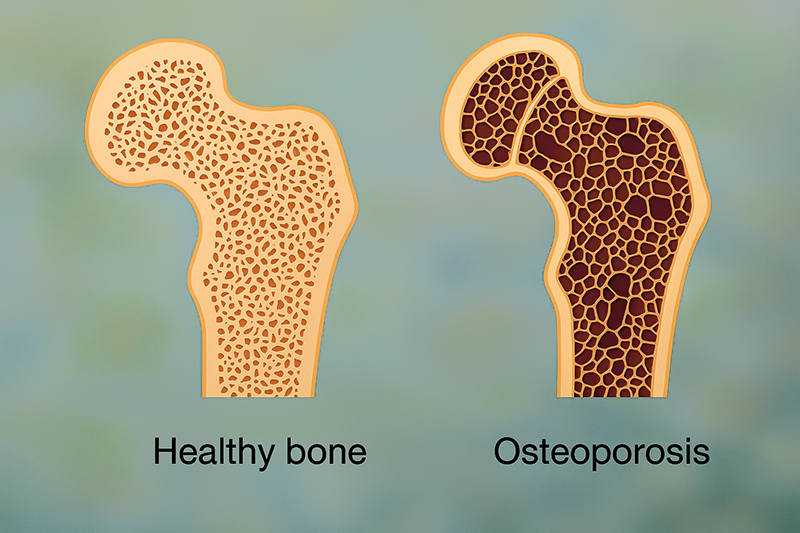
The parathyroid glands play a key role in regulating calcium levels, which affects bone strength, kidney health, and neuromuscular function. Parathyroid conditions may be discovered through elevated calcium levels, bone density loss, kidney stones, or related symptoms. We use advanced imaging and lab evaluation to confirm diagnosis and guide treatment planning, including minimally invasive approaches when surgery is recommended.
Genetic & Syndromic Conditions
Some endocrine tumors and hormone disorders occur as part of inherited syndromes. When a genetic or syndromic condition is suspected, evaluation may include family history review, targeted testing, and coordinated care planning. Our team helps patients understand what findings may suggest a hereditary condition and what next steps may be appropriate for long-term monitoring and family risk assessment.
Special Populations
Endocrine conditions can affect children and adolescents differently than adults and may require age-specific evaluation and follow-up. We support pediatric endocrinology needs in collaboration with appropriate specialists. Care plans consider growth, development, and long-term health monitoring tailored to each patient’s stage of life.
Thyroid & Endocrine Experts Answer the Questions Patients are Asking
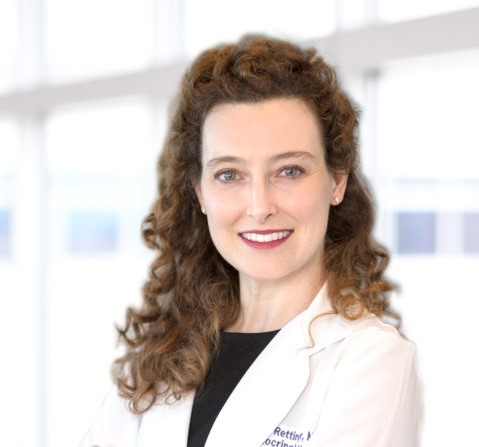
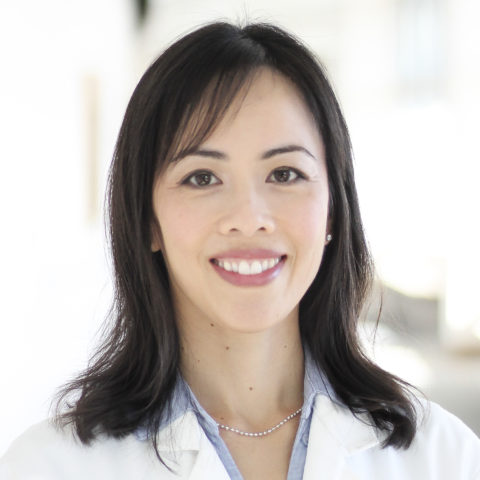
Listen to Dr. Melanie Goldfarb, Director of the Center for Endocrine Tumors and Disorders, and Professor of Surgery, along with Rose Lin, MD, and Sarah Rettinger, MD, Endocrinologists, reveal common practices and the more nuanced scenarios when it comes to thyroid treatment.
Diagnosis and Treatment Options
Evaluation often begins with a combination of detailed history, laboratory testing, and imaging. When treatment is needed, options may include medication management, image-guided procedures, or minimally invasive surgery, depending on the diagnosis and each patient’s overall health goals.
The sections below reflect common diagnostic and treatment pathways offered through our program.
Thyroid Diagnostics & Treatments

Thyroid evaluation often includes ultrasound imaging and, when appropriate, biopsy and molecular testing to better understand nodule characteristics. Treatment options range from medication to procedural and surgical care depending on the condition and clinical findings.
Our team coordinates care to help patients understand which steps are recommended and why, with attention to safety, long-term thyroid function, and recovery.
- Thyroid Biopsy and Molecular Testing
- Thyroid Ultrasound
- Thyroid Radiofrequency Ablation (RFA)
- Thyroidectomy
- Radioactive Iodine Therapy
Parathyroid Diagnostics & Treatments
Parathyroid evaluation typically involves lab testing and specialized imaging to localize abnormal glands and guide treatment decisions. When surgery is recommended, minimally invasive approaches may be appropriate for selected patients based on imaging and clinical factors.
Our care pathway is designed to support accurate diagnosis, clear planning, and coordinated follow-up.
Adrenal Treatments
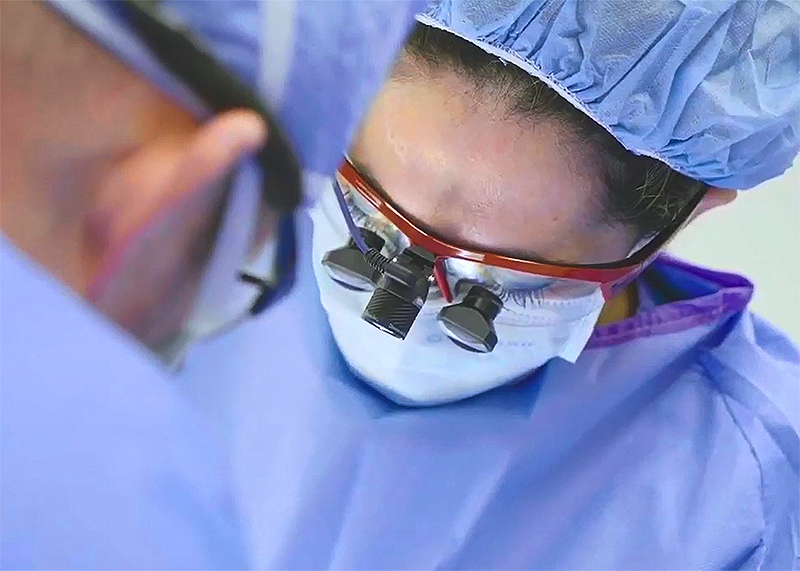
For adrenal tumors or hormone-secreting conditions requiring surgery, minimally invasive adrenalectomy may be an option for many patients, while open surgery is used when clinically appropriate. Surgical planning is guided by imaging, hormone testing, and individualized risk assessment.
Our team coordinates evaluation and follow-up to support safe outcomes and long-term hormone balance.
General Endocrine Therapies
Many endocrine conditions are managed with medication and long-term monitoring. Our endocrinologists tailor therapy to each patient’s lab values, symptoms, and overall health profile. When additional specialty care is needed, we coordinate with surgical, oncology, and other teams to support comprehensive management.