Adrenalectomy is a surgical procedure performed to remove one or both adrenal glands. These small glands, located above the kidneys, produce hormones that help regulate blood pressure, metabolism, stress response, and electrolyte balance. Adrenal surgery may be recommended for adrenal tumors, hormone-producing adrenal disorders, or adrenal masses that require further evaluation or treatment.
At Saint John’s Health Center, adrenalectomy is performed by experienced endocrine surgeons using minimally invasive laparoscopic techniques or open surgery when clinically appropriate. Our multidisciplinary team coordinates endocrine evaluation, imaging, surgical planning, and long-term hormone management to support safe outcomes and recovery.
What Is an Adrenalectomy?
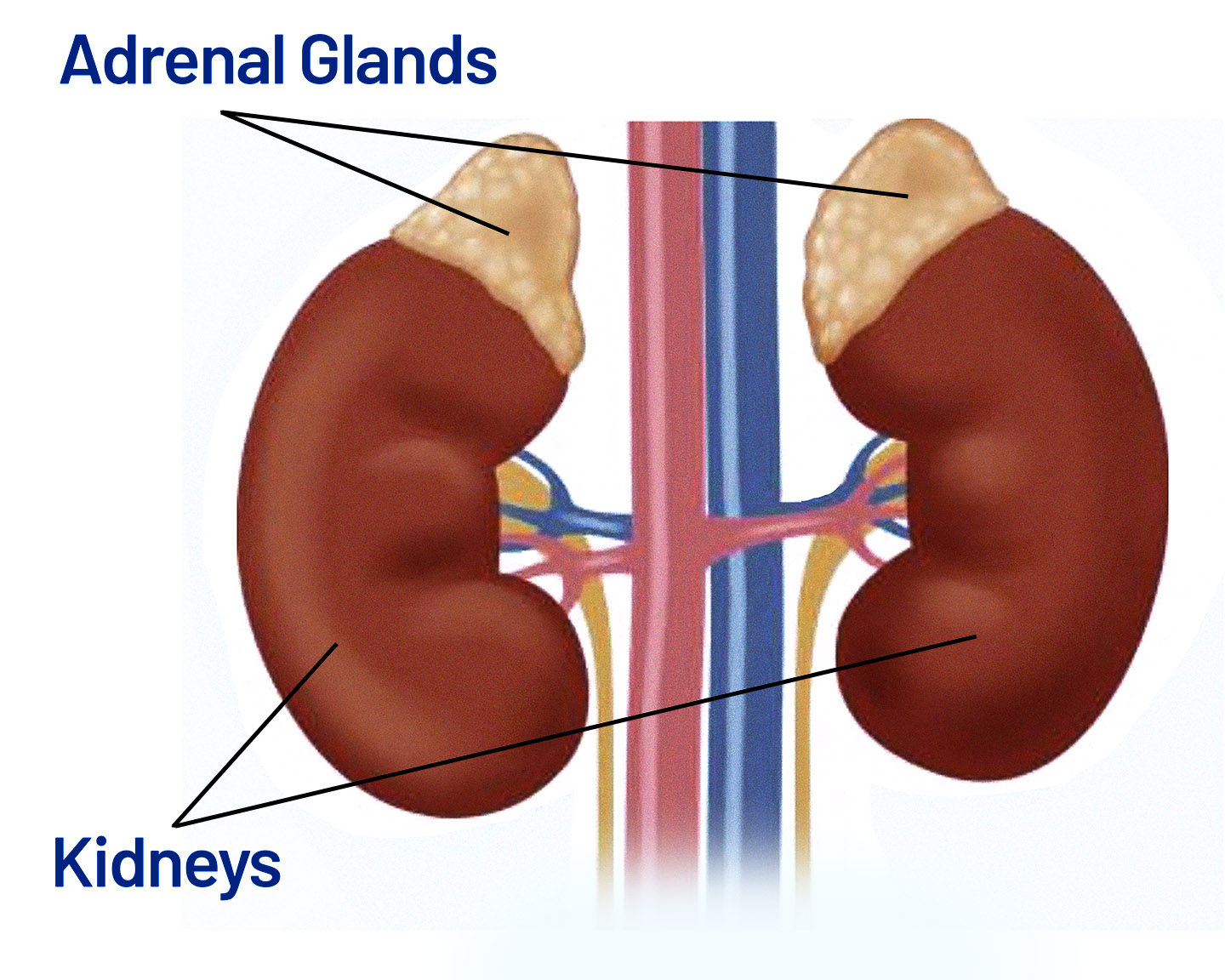
An adrenalectomy is surgery to remove an adrenal gland affected by a tumor, abnormal growth, or hormone-producing condition. In many cases, only one adrenal gland is removed, allowing the remaining gland to continue producing the hormones the body needs.
Because adrenal glands influence several important body systems, adrenal surgery requires careful endocrine evaluation before, during, and after the procedure. Treatment planning is individualized based on the size and type of tumor, hormone activity, imaging findings, and the patient’s overall health.
When Is Adrenal Surgery Recommended?
Adrenal surgery may be recommended when an adrenal tumor produces excess hormones, grows over time, causes symptoms, or appears suspicious on imaging studies. Some adrenal masses are discovered incidentally during imaging performed for another condition, while others are identified after evaluation of symptoms related to hormone imbalance.
- Pheochromocytoma and Paraganglioma
- Primary Hyperaldosteronism (Conn’s Syndrome)
- Cushing Syndrome
- Adrenal masses
- Adrenal cancer or tumors suspicious for malignancy
Surgery may also be considered when adrenal tumors cause pain, compress nearby structures, or interfere with normal hormone regulation.
Types of Adrenalectomy
The surgical approach depends on tumor size, location, imaging characteristics, hormone production, and whether surrounding structures are involved.
Laparoscopic Adrenalectomy
Laparoscopic adrenalectomy is a minimally invasive surgical approach commonly used for many benign adrenal tumors and hormone-producing adrenal conditions. The procedure is performed using small incisions, specialized instruments, and a camera that allows the surgeon to operate with precision while minimizing disruption to surrounding tissue.
Benefits of laparoscopic adrenalectomy may include:
- Smaller incisions
- Less postoperative discomfort
- Shorter hospital stay
- Faster recovery
- Earlier return to normal activity
Most patients undergoing laparoscopic adrenalectomy return home within one to two days, depending on the complexity of surgery and hormone-related recovery needs.
Open Adrenalectomy
Open adrenalectomy may be recommended for larger adrenal tumors, adrenal cancer, tumors involving nearby organs or blood vessels, or more complex cases requiring broader surgical exposure. This approach allows the surgeon direct access to the adrenal gland and surrounding anatomy when complete tumor removal is especially important. Surgical planning is individualized to balance safety, effectiveness, and long-term endocrine health.
Preparing for Adrenal Surgery

Careful preparation before adrenal surgery is especially important for hormone-producing adrenal tumors because these conditions can affect blood pressure, heart function, metabolism, and electrolyte balance.
- Blood and urine testing to measure hormone levels
- CT or MRI imaging
- Blood pressure management and medication adjustment
- Endocrinology consultation
- Surgical and anesthesia evaluation
Some adrenal tumors, particularly pheochromocytomas and cortisol-producing tumors, require specialized medical preparation before surgery to help reduce the risk of hormone-related complications during the procedure.
What Happens During Adrenalectomy?
Adrenalectomy is performed under general anesthesia in a hospital setting. The length of surgery depends on the surgical approach, tumor size, anatomy, and whether the tumor is producing excess hormones. During laparoscopic adrenalectomy, surgeons use several small incisions to insert a camera and specialized instruments. Open adrenalectomy uses a larger incision when broader surgical access is necessary. For hormone-producing tumors, the surgical and anesthesia teams carefully monitor blood pressure, heart rate, and hormone-related changes throughout the operation to support patient safety.
Recovery After Adrenal Surgery
Recovery varies depending on the type of surgery performed, the patient’s overall health, and whether the tumor affected hormone production.
Recovery After Laparoscopic Adrenalectomy
Most patients begin walking shortly after surgery and gradually resume light activity within several days. Discomfort is often mild to moderate and typically improves steadily during the first week. Many patients return to normal daily activities within one to two weeks, although recovery timelines vary from person to person.
Recovery After Open Adrenalectomy
Open adrenal surgery generally involves a longer hospital stay and a more gradual recovery process. Patients may need several weeks before returning to full activity, particularly after surgery for larger tumors or adrenal cancer.
Our care team provides individualized recovery guidance, including activity recommendations, wound care instructions, and hormone monitoring after surgery.

Follow-Up and Monitoring
After adrenalectomy, follow-up care focuses on hormone balance, blood pressure regulation, symptom improvement, and long-term endocrine health.
- Hormone level testing
- Blood pressure monitoring
- Imaging when indicated
- Endocrinology follow-up visits
Monitoring is particularly important for patients treated for hormone-producing adrenal tumors.
Life After Adrenalectomy
Most patients recover well after adrenal surgery and experience significant improvement in symptoms related to hormone excess. Many notice improvement in blood pressure, fatigue, headaches, muscle weakness, or metabolic symptoms over time, depending on the underlying condition.
Hormone Balance After Surgery
When only one adrenal gland is removed, the remaining gland can often produce enough hormone to meet the body’s needs. However, the body may require time to adjust after surgery, especially if the tumor was producing excess cortisol or other hormones.
Some patients require temporary steroid replacement therapy while the remaining adrenal gland resumes normal hormone production. In less common situations—such as bilateral adrenal surgery or reduced adrenal function—long-term hormone replacement may be necessary.
Long-Term Endocrine Care
Long-term follow-up helps ensure hormone levels remain stable and recovery continues appropriately over time.
- Hormone testing
- Blood pressure management
- Electrolyte monitoring
- Imaging surveillance when indicated
- Hormone replacement therapy if needed
Adrenalectomy Outcomes and Success Rates
When performed by experienced endocrine surgeons, adrenalectomy is highly effective for many adrenal tumors and hormone-producing conditions. Outcomes are optimized through detailed preoperative planning, advanced imaging, specialized anesthesia management, and coordinated endocrine follow-up. For many patients, surgery can significantly improve hormone-related symptoms and reduce long-term complications associated with excess hormone production.
Frequently Asked Questions About Adrenal Surgery
How long does adrenal surgery take?
Laparoscopic adrenalectomy typically takes one to three hours once surgery begins, though timing varies depending on tumor size, anatomy, and surgical complexity.
How long will I stay in the hospital?
Most patients undergoing laparoscopic adrenalectomy stay one to two nights in the hospital. Open adrenal surgery may require a longer stay depending on recovery needs and hormone-related monitoring.
What are the risks of adrenal surgery?
As with other abdominal procedures, adrenal surgery carries risks that may include bleeding, infection, injury to nearby structures, blood pressure fluctuations, or the need to convert a minimally invasive procedure to open surgery.
Your surgeon will review the specific risks and benefits of surgery based on your diagnosis and overall health.
Will I need hormone replacement after adrenalectomy?
Some patients require temporary hormone replacement after surgery while the body adjusts, particularly after surgery for cortisol-producing tumors. When only one adrenal gland is removed, the remaining gland can often provide adequate hormone production over time.
Questions About Adrenal Surgery?
If you have questions about adrenal surgery or have been diagnosed with an adrenal tumor or hormone-producing adrenal condition, our endocrine specialists can help guide evaluation and treatment planning.
Adrenalectomy at Saint John’s Health Center is performed by highly trained and specialized surgeons who are experienced in the treatment of adrenal disorders. Our multidisciplinary approach brings together endocrine surgery, endocrinology, radiology, pathology, and anesthesia specialists to support coordinated care before, during, and after surgery.

The Thyroid and Endocrine Experts at Saint John’s Health Center.
If you have questions regarding adrenal surgery and recovery, please call today. Click here to request an appointment.