Parathyroid disorders affect calcium balance in the body and can impact bone health, kidney function, and overall well-being. When calcium levels become elevated or abnormal, patients may experience symptoms such as fatigue, bone loss, or kidney stones, or the condition may be detected through routine blood testing.
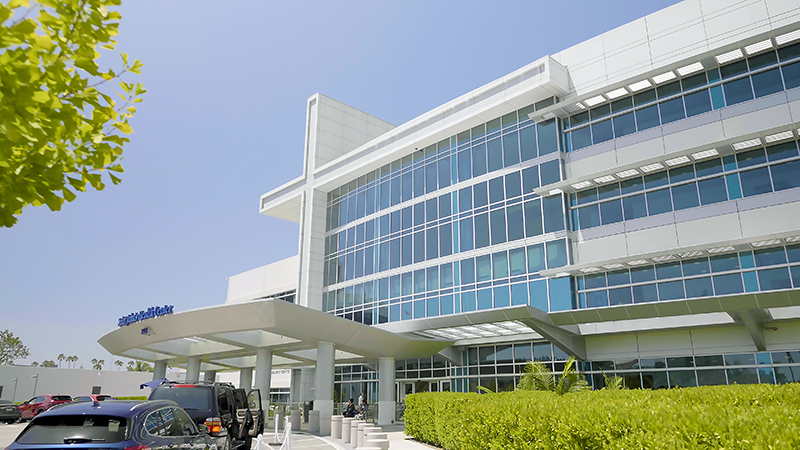
At Saint John’s Health Center, we provide expert diagnosis and treatment for parathyroid conditions, with a focus on precise evaluation and effective, minimally invasive surgical care.
What Is the Parathyroid?
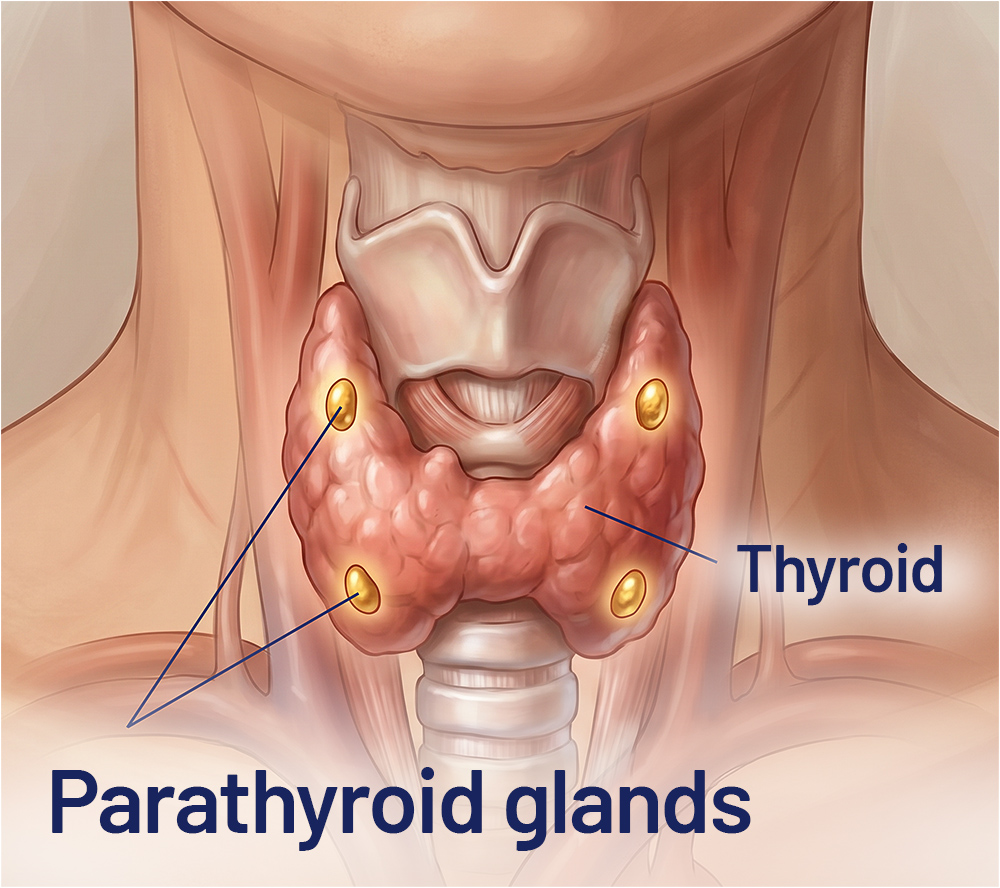
The parathyroid glands are four small glands located behind the thyroid in the neck. They regulate calcium levels in the blood, which are essential for proper nerve function, muscle contraction, and bone strength. When one or more of these glands become overactive—a condition known as /endocrine/conditions/hyperparathyroidism/>—calcium levels can rise, sometimes without noticeable symptoms at first. Over time, this can lead to complications such as bone loss, kidney stones, fatigue, or cognitive changes.
Parathyroid Imaging
Imaging plays an important role in preparing for parathyroid surgery by helping locate the affected gland. While blood tests confirm the diagnosis, imaging allows for a more targeted and efficient surgical approach. Depending on the clinical situation, imaging may include ultrasound or specialized nuclear imaging. Identifying the abnormal gland in advance allows for minimally invasive techniques and improves surgical precision.
Parathyroidectomy
Parathyroidectomy is the definitive treatment for hyperparathyroidism and involves removal of the overactive parathyroid gland or glands. Parathyroidectomy Surgery may be recommended when calcium levels are elevated, symptoms are present, or there is concern for long-term complications affecting bone density, kidney function, or overall metabolic health.
What to Expect
Most parathyroid procedures are performed using minimally invasive techniques that allow the surgeon to target the abnormal gland through a small incision. This approach often results in less discomfort, shorter operative times, and faster recovery compared with traditional open surgery.
Many patients return home the same day and resume normal daily activities within several days, although recovery timelines vary depending on the extent of surgery and the patient’s overall health.
Hormone Balance and Calcium Regulation After Surgery
Most patients retain enough healthy parathyroid tissue to maintain normal calcium regulation after surgery. The remaining glands typically continue producing parathyroid hormone (PTH), which helps regulate calcium balance in the blood and bones.
After surgery, calcium levels are monitored closely because temporary fluctuations may occur as the body adjusts. Some patients experience short-term low calcium levels while the remaining glands recover normal function, particularly if multiple glands were overactive or removed. Learn more about Hormone Therapy for endocrine conditions.
Long-Term Care and Follow-Up
Long-term outcomes after parathyroidectomy are generally very favorable. Many patients experience normalization of calcium levels shortly after surgery and may notice gradual improvement in symptoms such as fatigue, bone discomfort, kidney stone risk, or cognitive “brain fog” over time.
Follow-up care may include:
- Monitoring calcium and parathyroid hormone levels
- Bone density evaluation when indicated
- Temporary calcium or vitamin D supplementation during recovery
- Ongoing endocrine follow-up for patients with multigland disease or inherited endocrine syndromes.
In uncommon situations where all parathyroid glands must be removed or are no longer functioning adequately, long-term calcium and vitamin D management may be necessary. Our endocrine and surgical teams work closely with patients to support stable calcium balance and long-term bone health.
Our Approach to Parathyroid Care
Effective treatment of parathyroid disorders requires coordination between laboratory evaluation, imaging, and surgical expertise. Our team uses a focused approach to identify the abnormal gland and tailor treatment to each patient. By combining precise localization techniques with minimally invasive surgery, we aim to reduce unnecessary exploration while achieving reliable and lasting results.

The Thyroid and Endocrine Experts at Saint John’s Health Center.
If you have questions regarding parathyroid care, diagnosis, or treatment please call today. Click here to request an appointment.