


Cancer Research at Saint John’s Cancer Institute Continues to Advance Scientific Understanding in Oncology
In 2024, researchers at Saint John’s Cancer Institute contributed to 106 peer-reviewed scientific publications involving 34 scientists and clinicians across multiple oncology and related specialties. The Institute’s third consecutive annual Research Report highlights the collaborative work of physicians, laboratory scientists, surgical oncology fellows, and research partners whose investigations contribute to a greater understanding of cancer biology, diagnosis, and treatment.
Published in January 2025, the 2024 Research Report documents scientific contributions spanning translational molecular medicine, melanoma and cutaneous oncology, breast cancer, neuroscience, gastrointestinal and hepatobiliary cancers, urologic oncology, endocrine disorders, thoracic oncology, and gynecologic cancers.
Research projects involved physicians, scientists, pathologists, geneticists, laboratory personnel, and other collaborators working across clinical and laboratory disciplines. Many studies also involved national and international research partners.
The 106 publications represent the work of 34 scientists and clinicians identified in the annual report, excluding the many additional staff members, laboratory personnel, and collaborating research teams who contributed to their investigations.
Surgical oncology and research fellows also participate in the Institute’s scientific work through faculty mentorship, laboratory and clinical investigations, presentations, and collaborative studies. Their involvement helps connect advanced medical training with the development and evaluation of scientific evidence.
The report provides a record of the Institute’s 2024 accomplishments and the research questions its investigators pursued during that year.
Why Cancer Research Matters
Cancer research seeks to improve our understanding of how cancers develop, spread, respond to treatment, and sometimes become resistant to therapy. This work can inform new approaches to prevention, diagnosis, treatment, and monitoring.
At Saint John’s Cancer Institute, research includes laboratory investigations, translational molecular studies, clinical research, and participation in collaborative clinical trials.
Translational research connects discoveries in biology and laboratory science with clinical questions. Findings may help identify potential biomarkers, investigate therapeutic targets, or support the development of new diagnostic methods.
However, a promising laboratory finding does not automatically lead to an effective clinical treatment. New approaches require appropriate validation, clinical studies, and evaluation of their potential benefits and risks before they can become established standards of care.
The Institute’s long-standing investment in scientific collaboration was highlighted by Dave S. B. Hoon, PhD, Director of Translational Research:
This release marks three consecutive years of the research report, reflecting over 30 years of collaborative research with global organizations and our resolve to cure cancer.
– Dr. Dave SB Hoon, Director of SJCI Translational Research
His statement reflects the Institute’s history of research partnerships and its ongoing commitment to investigating scientific questions relevant to cancer care.
Translational Molecular Research and Biomarkers
Translational research at Saint John’s includes studies of molecular mechanisms involved in cancer development and progression.
Investigators have examined microRNAs, circulating biomarkers, tumor-associated molecular changes, and other biological characteristics that may help researchers better understand differences among cancers.
For example, liquid biopsy research investigates whether molecular information found in blood or other body fluids can support cancer detection, monitoring, or treatment assessment.
These applications vary by cancer type and specific test. Some molecular assays have established clinical uses, while others remain investigational and require further validation.
The Institute’s translational research programs contribute to this broader field through laboratory studies and collaboration with clinical investigators.
Collaboration Across Cancer Specialties
The 2024 Research Report includes publications involving specialists from multiple areas of oncology and related medical disciplines.
Investigations ranged from molecular and immunologic studies to clinical outcomes, surgical approaches, and treatment responses.
Research relationships with organizations such as the Pacific Neuroscience Institute also contributed to work involving brain tumors, neurologic diseases, and cancers affecting the central nervous system.
Other areas of research included urologic oncology, endocrine tumors, gastrointestinal cancers, breast cancer, melanoma, and the evaluation of new or evolving treatment approaches.
Such collaboration allows researchers with different expertise to investigate complex questions using complementary methods and clinical perspectives.
The Role of Fellows in Scientific Research
Research and surgical oncology fellows participate in scientific projects under the guidance of faculty mentors.
Depending on their training programs, fellows may contribute to clinical data analysis, translational research, laboratory investigations, literature review, and the preparation of scientific presentations or manuscripts.
Some studies involve collaborations with investigators at other institutions, allowing fellows to participate in research that extends beyond a single medical center.
These experiences support their development as physicians and investigators while contributing to the Institute’s scientific output.
Learn more about Fellowship Programs at Saint John’s Cancer Institute.
Highlights of Scientific Collaboration in 2024
The Institute’s research covered a wide range of cancer-related questions, including the molecular characteristics of tumors, predictors of treatment response, surgical oncology, and clinical outcomes.
Two examples from the original article illustrate the breadth of these investigations.
Investigating B7-H3 Across Different Cancers
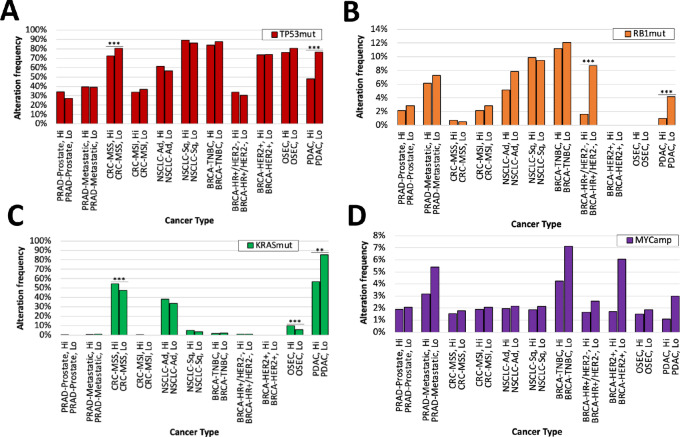
One publication highlighted in the report examined B7-H3, also known as CD276, a protein being investigated as a potential therapeutic target in several cancers.
Research into B7-H3 aims to better understand how its expression varies across tumors and whether it may contribute to the development of future treatment approaches.
The term pan-cancer describes investigations that examine molecular or clinical characteristics across multiple cancer types rather than focusing on a single organ or disease.
Identifying a potential therapeutic target does not establish that a corresponding treatment is effective for every cancer expressing that target. Additional laboratory and clinical studies are necessary to determine whether a particular strategy provides meaningful benefit.
Melanoma Research and Sentinel Lymph Nodes

Another featured publication examined the implications of tumor-positive sentinel lymph nodes occurring within single or multiple nodal basins in patients with melanoma.
Sentinel lymph node research has been an important part of the Institute’s scientific history, particularly through the work of the late Donald L. Morton, MD.
Dr. Morton helped establish sentinel lymph node biopsy as an important technique in melanoma evaluation. The procedure allows physicians to assess selected lymph nodes for evidence of cancer spread and contributes to staging and treatment planning.
Subsequent research has continued to examine how lymph node findings relate to prognosis, surveillance, and treatment decisions.
The 2024 publication represents one example of how clinical research can build upon previous scientific advances while investigating questions relevant to contemporary cancer care.
From Research Findings to Clinical Practice
Across oncology, scientific findings can contribute to new hypotheses, further laboratory investigations, clinical trials, and eventually changes in medical practice when supported by sufficient evidence.
Some studies focus on improving understanding of tumor biology. Others evaluate existing treatment approaches, investigate potential biomarkers, or compare outcomes among different patient groups.
Each contribution is part of a larger process of scientific evaluation.
The Institute’s 2024 publications document that work and the participation of investigators across multiple disciplines.
Recognizing the 2024 Research Team
The 2024 annual report reflects the combined efforts of the Institute’s investigators, clinical faculty, fellows, research professionals, laboratory personnel, and collaborating organizations.
Although the report identifies 34 scientists and clinicians whose work contributed to the year’s publications, research projects also depend on many individuals whose contributions may not be represented in that number.
We thank the researchers, clinicians, fellows-in-training, laboratory teams, research administrators, and collaborators who contributed to the scientific work documented in the 2024 report.

The original report also included a reflection from Lynda Baxter, MBA, MPH, who served as Executive Director of Saint John’s Cancer Institute and the Roy and Patricia Disney Family Cancer Center at the time of publication.
The more research we can do, the more our patients can do with their lives.
– Lynda Baxter, MBA, MPH, then Executive Director of Providence Saint John’s Cancer Institute and the Roy and Patricia Disney Family Cancer Center (DFCC) at Providence Saint Joseph Medical Center
Baxter has since departed Providence. Her statement is preserved as part of the Institute’s 2024 research history.
Saint John’s Cancer Institute Annual Research Reports
The Institute’s annual reports provide a record of peer-reviewed publications, contributing scientists and clinicians, and research activity across multiple oncology specialties.
The 2024 Research Report was the third consecutive publication in this annual series, following the 2022 and 2023 reports.
Readers can access the original reports below. The Annual Research Reports archive also provides access to subsequent reports, including the 2025 edition.


- 2024 Research Report (PDF)
- 2023 Research Report (PDF)
- 2022 Research Report (PDF)
- View All Annual Research Reports, Including 2025
Continuing Scientific Discovery and Collaboration
The 2024 Research Report documents 106 peer-reviewed publications involving 34 scientists and clinicians at Saint John’s Cancer Institute. Across laboratory science, translational investigation, surgical oncology, and clinical research, these studies reflect the work of multidisciplinary teams investigating questions that may inform future approaches to cancer prevention, diagnosis, and treatment.
Explore the Annual Research Reports to review the Institute’s continuing research activity, including the 2025 Research Achievements. Learn more about Translational and Precision Medicine Research and opportunities to support cancer research at Saint John’s Cancer Institute.
Sources & Further Reading
- Saint John’s Cancer Institute — 2024 Research Spotlight: Faculty Publications (PDF)
- Saint John’s Cancer Institute — Annual Research Reports Archive
- Saint John’s Cancer Institute — 2025 Research Achievements
- Saint John’s Cancer Institute — Translational and Precision Medicine Research
- Saint John’s Cancer Institute — Donald L. Morton, MD