

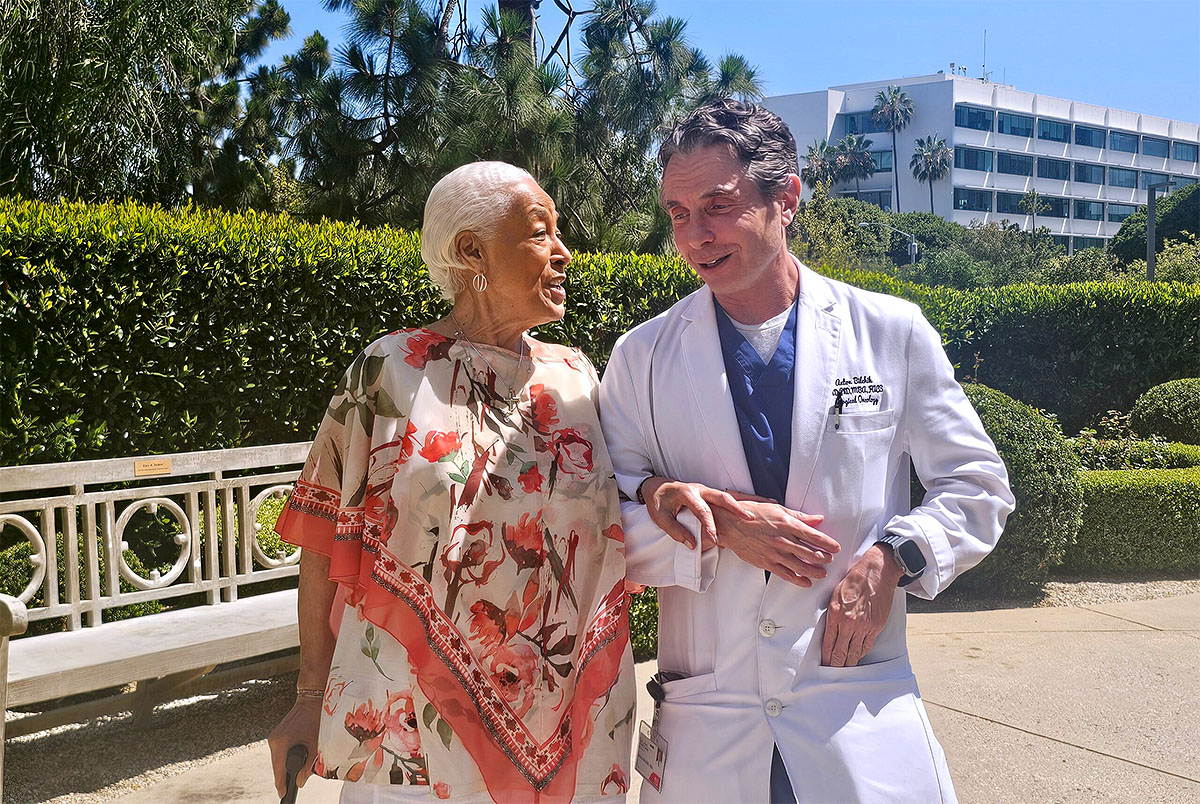
Audrey Brooks: A Miracle of Timing, Resilience, and Care
At 86 years old, Audrey Brooks never expected that a few concerning symptoms would lead her down a path that would challenge her physically, emotionally, and spiritually. In February 2025, she was diagnosed with stage one pancreatic cancer, beginning a journey that would ultimately become about much more than cancer alone.
Pancreatic cancer is often called a “silent disease” because symptoms frequently do not appear until the cancer has grown or spread. Unlike breast, colon, or cervical cancer, there is currently no routine screening test recommended for people at average risk, making early detection particularly challenging. Common warning signs can include jaundice (yellowing of the skin and eyes), dark urine, unexplained weight loss, abdominal pain, and changes in digestion. 1,2
For Audrey, the subtle symptoms she noticed—dark brown urine and slight yellowing of her skin—ultimately led to a diagnosis at an early stage, something that is relatively uncommon with pancreatic cancer. Because the cancer was discovered before it spread, surgery remained an option.
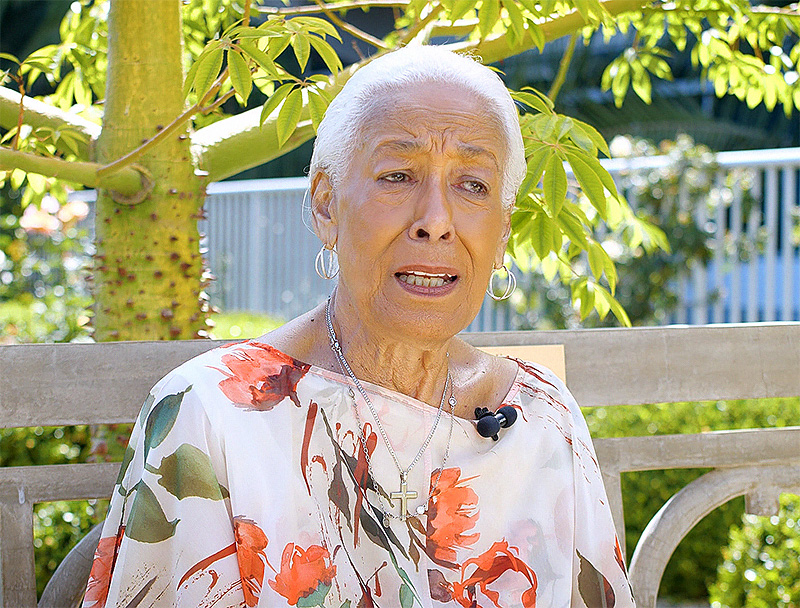
For nearly two months, Audrey wrestled with whether to undergo a Whipple procedure, a highly complex operation considered the gold standard treatment for many pancreatic cancers located in the head of the pancreas. During the procedure, surgeons remove the head of the pancreas, part of the small intestine (duodenum), the gallbladder, bile duct, and nearby tissue before reconnecting the digestive tract. The operation often takes about six hours and requires significant recovery, but it can offer the best opportunity for long-term survival when cancer is found early. 2,3,4
Ultimately, she placed her trust in Dr. Anton Bilchik, Chief of General Surgery and gastrointestinal surgical oncologist at Providence Saint John’s Health Center. “After my surgery, he was standing at the foot of my bed,” Audrey recalled. “How many doctors do that?”
On April 7, 2025, Audrey underwent the procedure successfully. Her tumor was removed, and all signs pointed toward a positive recovery.
Then the unimaginable happened. The following day, Audrey went into cardiac arrest. Despite receiving cardiac clearance before surgery from her primary care physician, she suffered a life-threatening event that stunned everyone involved in her care.
“There were about 30 people in the room,” Audrey said. “And because I was here at Saint John’s, the staff and the people took care of me and brought me back. Because honestly, I don’t believe I should be here.”
Audrey Brooks Retells Her Journey June 2026
A Hidden Diagnosis
Months earlier, Audrey had initially been referred to Dr. Bedford, a gastrointestinal specialist at Saint John’s, after noticing dark brown urine and yellowing of her skin. Dr. Bedford performed an endoscopy and obtained a biopsy. The following day, an in-house pathologist confirmed the diagnosis: stage-one pancreatic cancer.
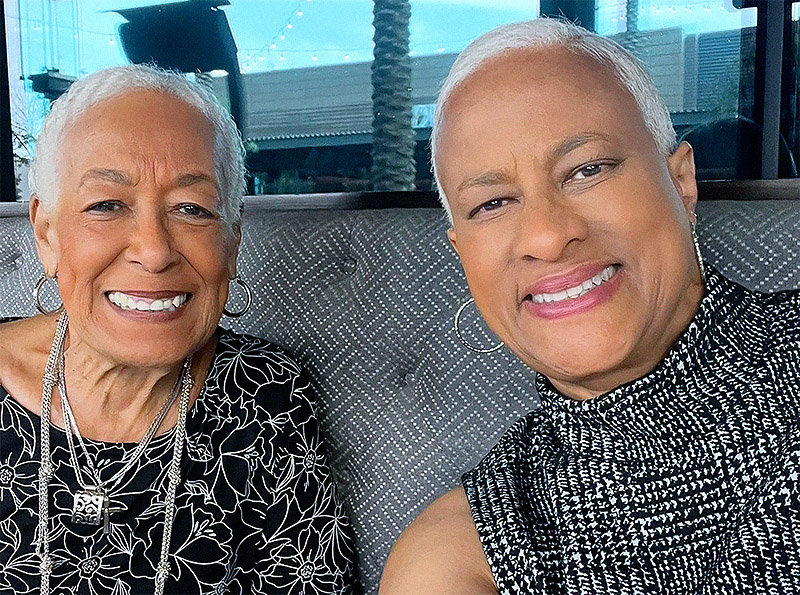
When Audrey met with Dr. Bilchik to discuss treatment options, she brought her children with her, including her daughter Dana Brooks, a certified nurse.
“Dana, my daughter is like my mother,” Audrey often jokes.
Their close bond became evident to everyone involved in Audrey’s care. During follow-up appointments, Dana was frequently joined by FaceTime. After several appointments, Dr. Bilchik even joked, “Is Dana not going to FaceTime me today?”
The relationship that developed between the Brooks family and Audrey’s medical team was built on trust, honesty, and genuine affection.
The Night Everything Changed
The evening after surgery, Dana noticed something was wrong. “I heard my mother gurgling,” Dana recalled. “I called Sarah, the nurse on duty, and we pushed for a Code Blue.” Dana said she had experienced these situations, just not with her own mother.
Within moments, Audrey’s room was filled with physicians, nurses, specialists, and support staff racing to save her life. Dr. Bilchik and Dr. Diskin, a Complex General Surgical Oncology fellow, rushed into the room. “What happened?” they asked as they threw their hands in the air.
No one could believe it. Fortunately, Dr. Broukhim, a cardiovascular surgeon, was in the hospital that evening, and Dr. Bilchik urgently contacted him.
Audrey suffered cardiac arrest, and for approximately 15 to 20 minutes, the team fought to revive Audrey. They succeeded.
Subsequent testing revealed something no one had known: Audrey had severe coronary artery disease. Further evaluation showed five major coronary arteries were blocked. Dr. Broukhim treated her condition with multiple coronary stents, uncovering a hidden and potentially fatal cardiac disease that otherwise might have gone undetected.
Physicians involved in her care believe the cardiac event was unrelated to her cancer surgery. In fact, there is a strong likelihood that her coronary artery disease would eventually have caused a major cardiac event regardless.
Ironically, the cancer diagnosis may have saved her life.
Had Audrey undergone surgery earlier or had the heart attack occurred while she was living alone, the outcome could have been very different.
Care Beyond Medicine
Dana remembers the fear on her mother’s face as chaos erupted around her. “My mom had that look of fear on her face and had no idea what was happening,” she said. “One moment she was watching TV, and the next, more than 20 people were rushing into her room. Everyone was stunned.” What struck her most was how deeply everyone cared. “The chaplain came. The care manager came. Nurses came. Even employees who weren’t directly involved in her care were checking on her. Everyone was worried about Audrey.”
Audrey spent three weeks in the hospital recovering.
“You have a special hospital here,” Dana said. “I’ve been in and out of a lot of hospitals and worked with doctors, nurses, and surgeons. Everyone is so kind. And it’s not just that—it’s the atmosphere. From the valet to the cafeteria to the physicians, this place is extraordinary.”
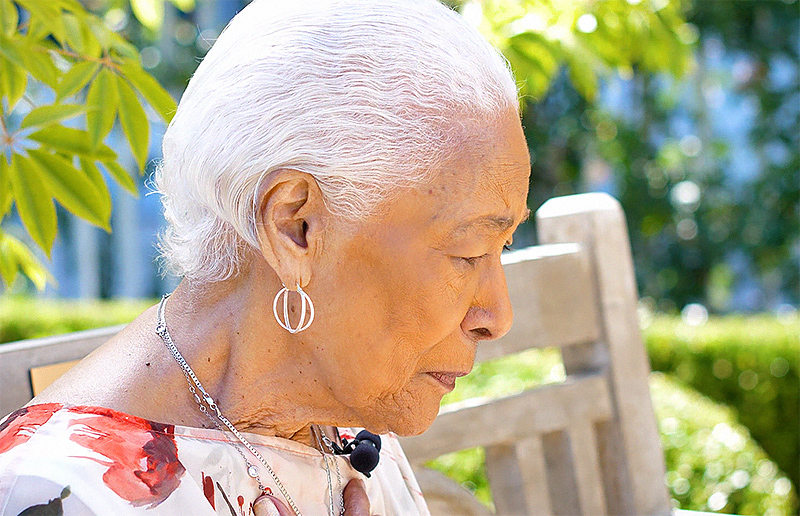
During Audrey’s dilemma, Dana asked if she could take photographs documenting Audrey’s cardiac arrest. Dr. Bilchik and Dr. Broukhim agreed but suggested that Audrey wait at least a year before looking at them. “She didn’t want to see them,” Dana said. “It was only recently that she felt ready.” Audrey obviously had no memory from that night, so, when she saw the images of herself, which was only recently, she was overwhelmed.
A New Appreciation for Life
After nearly three weeks in the hospital, Audrey was discharged on April 29, 2025. Before going home, she had one special request. She turned to Dana and asked, “Can you take me to the beach and drive me around the city?”
Dana happily obliged.
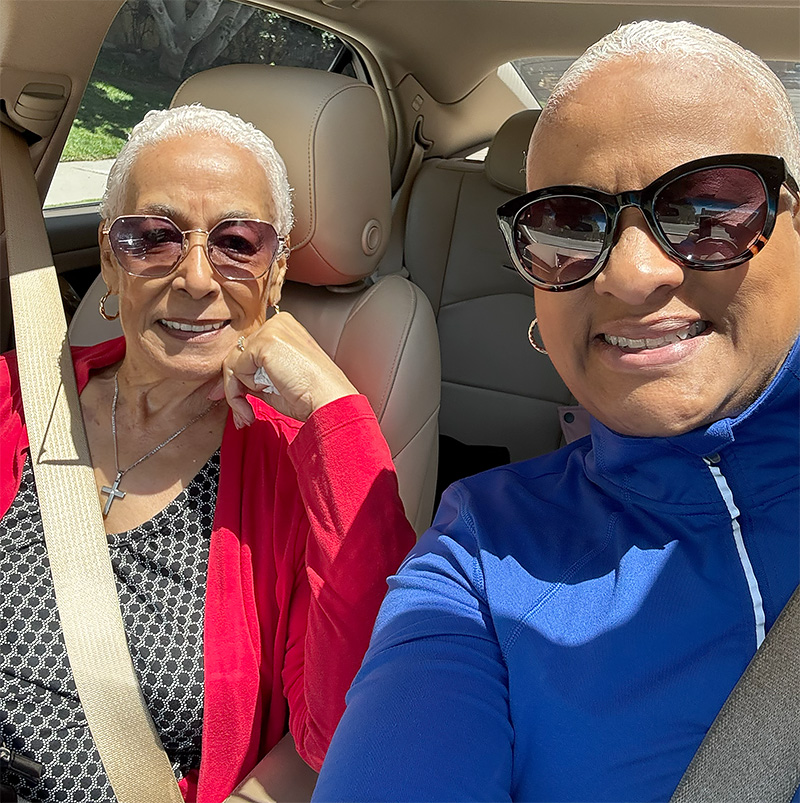
“She was like a little kid seeing everything for the first time,” Dana said. “In that moment, she felt blessed just to be alive. You could see it on her face that look that she made it.”
The following week, on May 8th, Audrey celebrated her 87th birthday.
Today, she continues her recovery through physical therapy and remains under the care of Saint John’s physicians, including Dr. Broukhim.
“My heart breaks thinking about what happened to me,” Audrey reflected. “Pancreatic cancer is no joke. Cardiac arrest is no joke. But when you have a team like the one here at Saint John’s, you have the best chance to make it—to live.”
A Story of Timing and Faith
In Audrey Brooks’ case, timing was everything. What began as a pancreatic cancer diagnosis led to the discovery of life-threatening coronary artery disease. In an extraordinary turn of events, the cancer that seemed like the greatest threat ultimately helped uncover an even more dangerous condition.
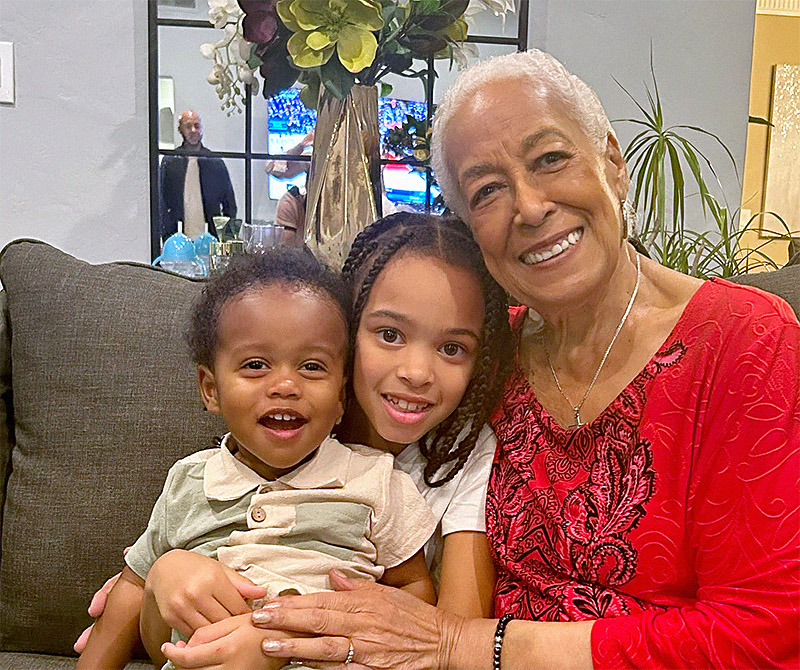
Many people facing cancer come face-to-face with mortality. Audrey faced it twice. Yet through it all, she never lost her sense of humor, her gratitude, or her faith. “I’m truly blessed,” she said. “My faith is more distinct than before the surgery. God put me here for a reason. I still can’t believe I’m here. I feel great.”
Today, Audrey is 88 years old—a testament to resilience, faith, exceptional medical care, and the remarkable power of… perfect timing. Her story reminds us that miracles often arrive in unexpected ways, and that sometimes the greatest gift is simply another chance to live.
Audrey’s remarkable recovery reflects the strength of a truly multidisciplinary approach to care. From her pancreatic surgery to the life-saving response following her cardiac arrest and the support she received throughout her recovery, every member of her care team played an important role. Seeing her thriving today is why we do what we do.
– Anton Bilchik, MD, FACS
The Importance of Early Detection
Audrey understands how fortunate she was that her symptoms were recognized quickly.
Pancreatic cancer remains one of the most difficult cancers to detect early. According to the American Cancer Society, the overall five-year survival rate for pancreatic cancer is approximately 13 percent. However, when the disease is diagnosed while still localized to the pancreas, the five-year survival rate increases to about 44 percent.5,6
Her story is a reminder that seemingly minor symptoms should never be ignored. In Audrey’s case, paying attention to those early warning signs led to a cancer diagnosis, successful surgery, and unexpectedly uncovered a second life-threatening condition that may otherwise have remained hidden.