


Strength, Science, and the Power of a Compassionate Care Team
The Diagnosis That Changed Everything
Jill Okorochoa is a mother of five and the wife of a devoted husband. She never imagined that her life would become a story about survival, resilience, and the fight against breast cancer.
Her journey began in the middle of the COVID-19 pandemic. On October 7, 2020, Jill received the call that would change everything. The biopsy results were in: breast cancer.
At first, doctors believed the cancer was stage two, but after surgery and pathology results, it was reclassified as stage three, grade three, meaning the cancer was more aggressive and required urgent treatment.
Breast cancer is one of the most common cancers affecting women worldwide. In the United States, about 1 in 8 women will develop invasive breast cancer in their lifetime. The encouraging news is that survival rates have improved dramatically over the past several decades due to earlier detection and advances in treatment. Today, the five-year survival rate for localized breast cancer is about 99% when detected early.
What made Jill’s diagnosis especially shocking was that she had always taken her health seriously. She never missed her annual screenings. She had even gone in early for imaging after experiencing pain in her breast.
She remembers clearly what the doctor told her after an earlier scan. “You don’t have breast cancer.” Yet months later, the pain returned.
Trusting Her Instincts
One night before going to bed, Jill performed a breast self-exam and felt something unusual for the first time.
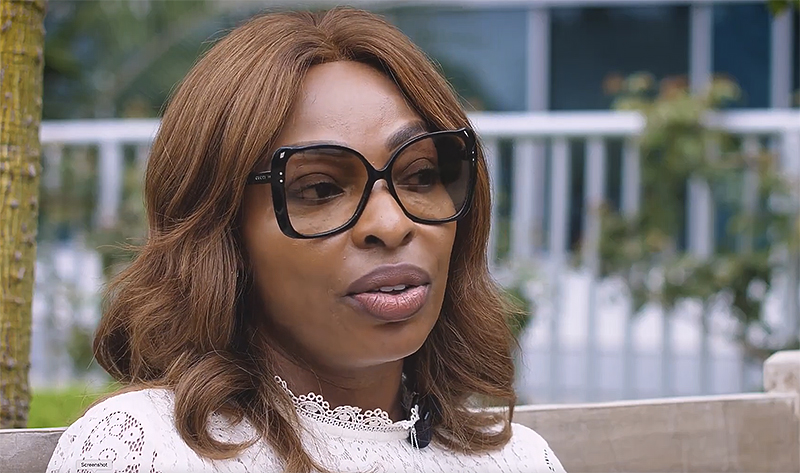
After additional imaging and a biopsy, the call finally came. When the nurse asked if someone could stand beside her before hearing the results, Jill already sensed what was coming.
The nurse began with the words no patient wants to hear: “I’m sorry… unfortunately.”
Jill ran into her husband’s office and told him simply, “It’s positive. I have it.” Her husband immediately asked the most important question: where do we go from here?
The Importance of a Multidisciplinary Cancer Team
The early days after diagnosis can feel overwhelming. Patients must process complicated information about cancer type, staging, treatment options, and prognosis. Jill would later describe what that moment felt like.
When you’re going through cancer, you hear the doctor’s mouth moving, but your mind is somewhere else. You’re thinking, ‘What are we doing? Where are we going? I need to heal.’
– Jill Okorochoa.
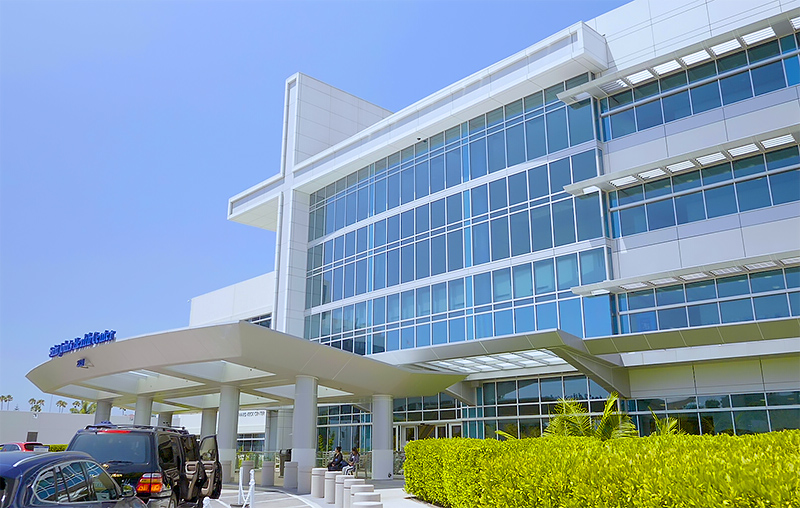
This is why modern cancer care increasingly relies on a multidisciplinary team. Instead of relying on a single physician, patients benefit from coordinated care from multiple specialists who work together to design the most effective treatment plan.
- Surgical oncologists
- Medical oncologists
- Radiation oncologists
- Radiologists
- Pathologists
- Oncology nurses
- Psycho-oncologists and mental health specialists
- Nutritionists and rehabilitation specialists
Each professional contributes a unique area of expertise, ensuring that treatment addresses not only the cancer itself but also the patient’s physical, emotional, and psychological well-being.
Jill experienced firsthand how powerful that approach could be. She found herself surrounded by specialists who were committed not only to treating her disease but also to supporting her through every stage of recovery.
Listen to Jill’s story and why she stayed with Saint John’s Health Center
Jill explains why Dr. Parvin Peddi made such a difference in her care.
Finding the Right Oncologist
One physician in particular became central to Jill’s care: Dr. Parvin Peddi, her medical oncologist at Margie Peteresen Breast Center at Providence Saint John’s Health Center.

Dr. Peddi took time with her patients. She checked on Jill during chemotherapy, explained treatment decisions carefully, and made sure Jill understood what was happening at every stage.
Jill remembers how meaningful that connection was during such a frightening time.
You don’t just need doctors. You need a team. You need people who care about you as a human being.
– Jill Okorochoa.
When Dr. Peddi later moved her practice to Providence Saint John’s Cancer Institute, Jill made the decision to follow her there. The choice was not about convenience—it was about trust.
She believed that having a physician who truly listened, advocated for her care, and treated her as a whole person would make all the difference during the long road ahead. For Jill, Dr. Peddi represented exactly the kind of care every cancer patient hopes to find: expertise combined with compassion.
Healing the Mind: The Role of Psycho-Oncology
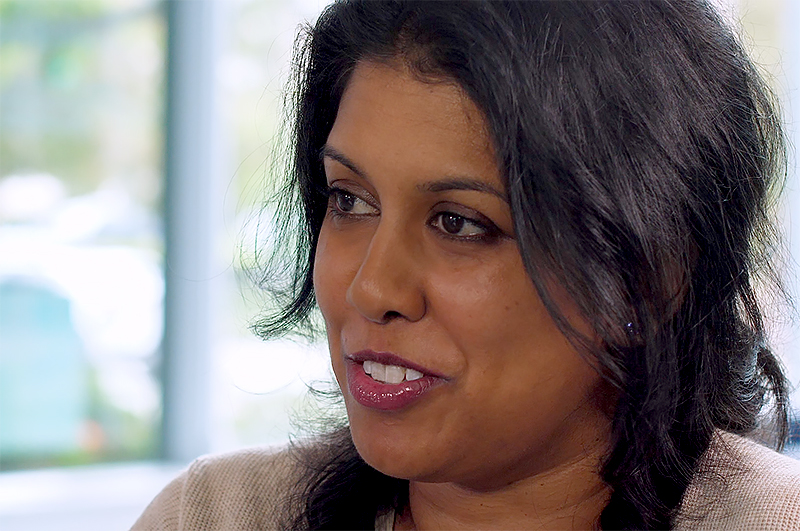
After Jill completed her treatments, she began experiencing depression and intrusive thoughts—something many cancer survivors silently struggle with.
At one point, Jill described a frightening moment while driving her children along the coast.
A voice in my head said, ‘All you have to do is drive off the cliff and everything will be okay.’
– Jill Okorochoa.
She immediately went home and told her husband she needed help. “Please don’t let me drive again until I see a therapist.” Dr. Gowrinathan helped Jill understand that what she was experiencing was not weakness or lack of faith, but a natural response to trauma and treatment.
“It’s not because you’re not praying,” Jill later explained. “It’s a chemical imbalance, and you have no control over it.”
Through therapy, treatment, and support, Jill began healing emotionally as well as physically. Her experience illustrates why mental health care is now considered a critical component of comprehensive cancer treatment.
The Physical Battle
Jill’s treatment ultimately included a bilateral mastectomy, chemotherapy, and radiation.
Even after surgery, pathology results showed cancer cells along the surgical margins, forcing Jill to undergo multiple additional surgeries. Finally, her surgeon gave her clear advice. “If you were my daughter, I would remove the implants, focus on treatment, and concentrate on recovery.” Jill followed that advice.
Chemotherapy proved to be one of the most difficult parts of her journey. “At times,” she said, “I felt like my body was rotting from the inside.” Her nails deteriorated, her body ached constantly, and fatigue became overwhelming.
Love and Support at Home

One day her husband told her something she would never forget.
I didn’t marry you because of your breasts. You’re my wife, and there is more to you than that.
– Mr. Okorochoa.
His words helped her begin the difficult process of accepting her body again.
Life After Treatment
Today, Jill continues with long-term follow-up care, hormone therapy, and regular monitoring.
Hormone-positive breast cancers, like Jill’s, often require medications that block estrogen because estrogen can fuel the growth of certain breast cancer cells.
Survivorship, Jill says, is not the end of the journey—it is simply the beginning of a new chapter. One lesson stands above all others.“You can’t stop living because you’ve had cancer.”
She believes strongly that patients must trust their medical team and advocate for themselves. “If you have a great medical team, they will fight for you. But you, as the patient, have to do the work. You have to listen. You can’t give up halfway.”
Despite the pain and uncertainty, Jill continues to move forward with determination. “I’m learning to accept my new body. I’m learning to live life again. I’m learning to be happy.”
Her motivation is simple.
I look at my children and I know I have to be here.
– Jill Okorochoa.
Early Detection Matters
Jill’s story highlights the importance of recognizing changes in the body and seeking medical care quickly.
Doctors recommend several steps that can help detect breast cancer earlier:
- Annual or biennial mammograms beginning around age 40
- Additional imaging such as ultrasound or MRI** for women with dense breast tissue
- Awareness of breast changes such as lumps, pain, skin changes, or nipple discharge
- Immediate medical evaluation if something unusual is noticed
Early detection dramatically improves outcomes. When breast cancer is found before it spreads beyond the breast, treatment is more effective and survival rates are significantly higher.
A Message of Hope
For Jill, surviving cancer has changed how she sees the world. Her story is not only about illness—it is about resilience, family, and the extraordinary power of compassionate medical care.
Breast cancer may be common, but it is also increasingly treatable. With early detection, strong support systems, and coordinated medical care, millions of women continue to survive and thrive after diagnosis.
I’m learning to live again.
– Jill Okorochoa.
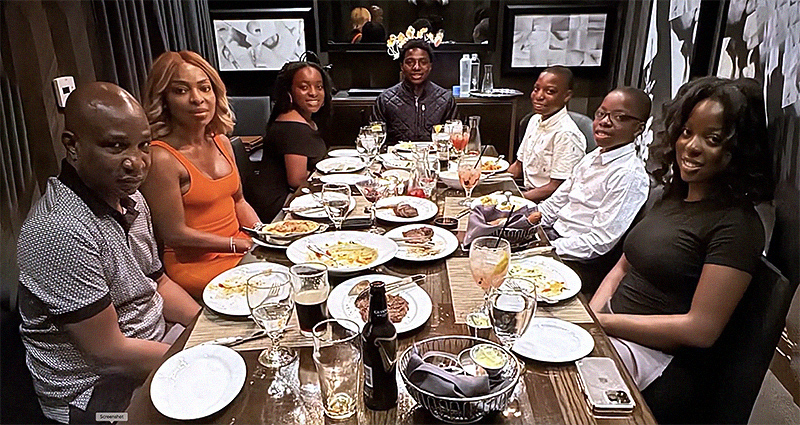
“No one wakes up hoping to face cancer,” she says. “But if it happens, remember—you are not alone. There are people ready to fight alongside you.” And for Jill, the reason to keep fighting has always been clear; her children, and that is exactly what she intends to do.