Parathyroidectomy is a surgical procedure performed to remove one or more overactive parathyroid glands and is the definitive treatment for hyperparathyroidism. The parathyroid glands are small structures located near the thyroid gland that help regulate calcium balance in the body through production of parathyroid hormone (PTH).
At Saint John’s Health Center, parathyroid surgery is performed by experienced endocrine surgeons using advanced imaging, minimally invasive surgical techniques, and intraoperative hormone monitoring designed to maximize cure rates while supporting faster recovery and long-term calcium balance.
What Is a Parathyroidectomy?
A parathyroidectomy removes one or more abnormal parathyroid glands that are producing excess parathyroid hormone. Elevated PTH levels can cause high blood calcium levels and affect the bones, kidneys, muscles, and nervous system over time. Because hyperparathyroidism often develops gradually, symptoms may be subtle or mistaken for other conditions. In some patients, elevated calcium levels are identified during routine blood testing before symptoms become more noticeable.
When Is Parathyroid Surgery Recommended?
Parathyroid surgery may be recommended for patients with hyperparathyroidism, particularly when elevated calcium levels are causing symptoms, affecting bone health, or increasing the risk of kidney complications. For many patients, surgery provides definitive treatment and may help prevent long-term complications related to chronic calcium imbalance.
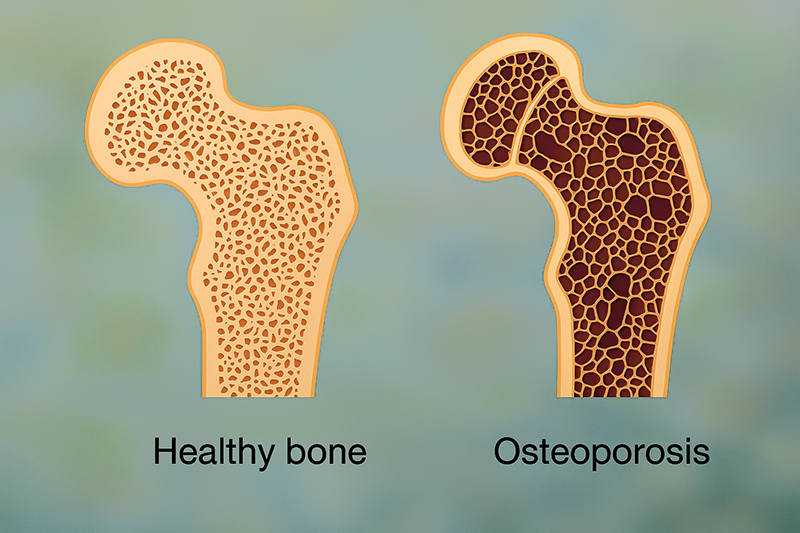
Surgery is commonly considered for patients with:
- Elevated blood calcium levels
- Kidney stones or declining kidney function
- Osteoporosis or reduced bone density
- Bone pain or fractures related to weakened bones
- Fatigue, muscle weakness, or difficulty concentrating
- Progressive symptoms or worsening laboratory findings
Types of Parathyroidectomy
The type of surgery performed depends on imaging findings, laboratory evaluation, and whether one or multiple glands are affected.
Minimally Invasive Parathyroidectomy
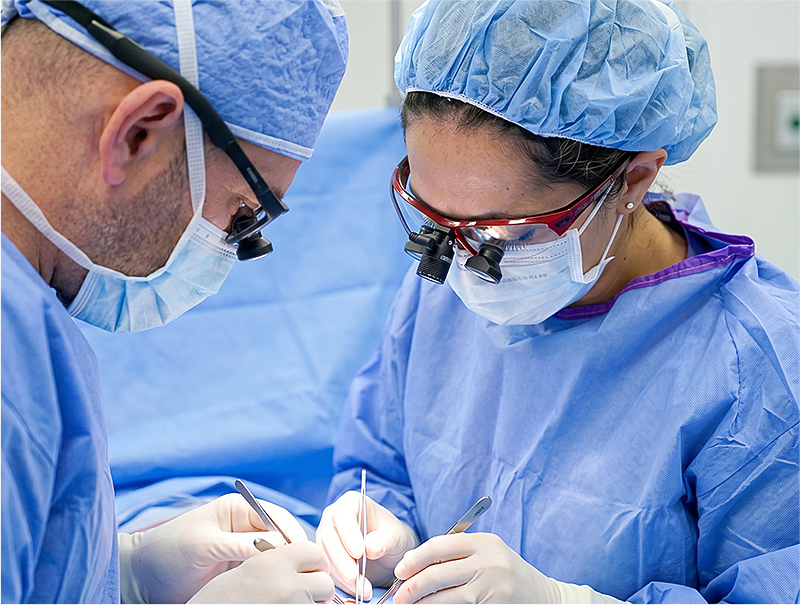
When imaging identifies a single overactive gland, a focused minimally invasive approach may be used. This technique allows surgeons to remove the abnormal gland through a smaller incision while minimizing disruption to surrounding tissue. Most patients undergoing minimally invasive surgery return home the same day.
Benefits of minimally invasive parathyroidectomy may include:
- Smaller incision
- Shorter operative time
- Less postoperative discomfort
- Faster recovery
- Earlier return to normal activity
Four-Gland Parathyroid Exploration
If imaging is inconclusive, multiple glands appear abnormal, or inherited endocrine syndromes are suspected, a more comprehensive exploration of all four parathyroid glands may be recommended. This approach may be used for multigland hyperparathyroidism, reoperative parathyroid surgery, familial endocrine syndromes, or persistent or recurrent hyperparathyroidism. Treatment planning is individualized to balance surgical success with preservation of long-term calcium regulation whenever possible.
Preparing for Parathyroid Surgery
Before surgery, patients typically undergo a detailed endocrine and surgical evaluation to confirm hyperparathyroidism and identify the overactive gland or glands. Your surgeon will review imaging findings, discuss the recommended surgical approach, and explain expected outcomes and recovery expectations.
- Blood tests measuring calcium and parathyroid hormone levels
- Vitamin D testing
- Kidney function testing
- Bone density evaluation
- Parathyroid imaging to help localize abnormal glands
- Review of medications and medical history
What Happens During Parathyroidectomy?
Parathyroidectomy is performed under general anesthesia in a hospital setting. The length of surgery depends on how quickly the abnormal gland can be identified and whether one or multiple glands require evaluation. During surgery, endocrine surgeons work carefully to preserve nearby structures involved in voice function, swallowing, and calcium regulation.
Intraoperative PTH Monitoring
Intraoperative parathyroid hormone (PTH) monitoring is commonly used during surgery to help confirm that the overactive gland has been successfully removed. Because parathyroid hormone levels change rapidly after removal of abnormal tissue, a significant drop in PTH during surgery helps indicate successful treatment and supports high cure rates.
Voice and Nerve Protection
Special attention is given to protecting the recurrent laryngeal nerves, which help control vocal cord movement and voice function. Temporary hoarseness may occasionally occur because of swelling or temporary nerve irritation, though permanent voice changes are uncommon when surgery is performed by experienced endocrine surgeons.
Recovery After Parathyroid Surgery
Most patients recover quickly after parathyroidectomy and return to normal daily activities within several days.
Hospital Stay and Early Recovery

Many patients go home the same day following surgery, depending on the extent of surgery and overall health. Walking and light activity are encouraged soon after surgery, while strenuous activity is usually limited temporarily during healing.
Temporary symptoms after surgery may include:
- Mild neck soreness
- Fatigue during the first several days
- Mild throat discomfort
- Temporary hoarseness
- Mild swelling near the incision
Recovery Timeline
Most patients resume many normal activities within a few days to one week, though recovery timelines vary depending on the complexity of surgery and individual healing. Our care team provides personalized guidance regarding activity, incision care, calcium supplementation, and follow-up testing after surgery.
Cosmetic Recovery
Parathyroidectomy incisions are typically small and placed within a natural skin crease whenever possible. Most patients heal very well over time, and scars often fade gradually during the months following surgery. Protecting the incision from sun exposure during healing may help reduce long-term discoloration or scar darkening.
Life After Parathyroidectomy
Most patients experience significant improvement after successful parathyroid surgery as calcium and parathyroid hormone levels return to a healthier range.
Calcium Balance After Surgery
After removal of the overactive gland, calcium levels are monitored closely while the body adjusts to normal hormone regulation. Some patients require temporary calcium and vitamin D supplementation during recovery, particularly when bones begin reabsorbing calcium more normally after prolonged hyperparathyroidism. In most cases, calcium balance stabilizes over time as the remaining healthy parathyroid glands resume normal function.
Long-term calcium supplementation is uncommon after successful surgery for primary hyperparathyroidism.
Bone Health and Metabolic Recovery
Many patients experience gradual improvement in bone metabolism and bone density after surgery, particularly when hyperparathyroidism previously contributed to osteoporosis or bone loss. Successful treatment may also help reduce the risk of kidney stones, fractures, and other complications associated with prolonged calcium imbalance.
Energy, Muscle Strength, and Cognitive Symptoms
Some patients notice improvement over time in symptoms such as fatigue, muscle weakness, difficulty concentrating, or generalized “brain fog” once calcium and hormone levels stabilize. Symptom improvement varies between individuals and may continue gradually during the months following surgery.
Long-Term Monitoring

Follow-up care after parathyroidectomy may include:
- Calcium level monitoring
- Parathyroid hormone testing
- Bone density evaluation when indicated
- Kidney function monitoring
- Endocrinology follow-up visits
Our endocrine specialists work closely with patients to support long-term calcium balance, bone health, and recovery after surgery.
Parathyroidectomy Outcomes and Success Rates
When performed by experienced endocrine surgeons using advanced imaging and intraoperative hormone monitoring, parathyroidectomy has cure rates that often exceed 95%. For many patients, surgery can significantly improve calcium regulation, bone health, kidney health, and symptoms associated with hyperparathyroidism.
Frequently Asked Questions About Parathyroid Surgery
How long does parathyroid surgery take?
Parathyroidectomy may take between 30 minutes and several hours depending on how quickly the abnormal gland is identified and whether multiple glands require evaluation.
How long will I stay in the hospital?
Most patients who undergo minimally invasive parathyroidectomy return home the same day following surgery.
Will parathyroid surgery affect my voice?
Temporary hoarseness or mild voice fatigue may occasionally occur after surgery because of swelling or temporary nerve irritation. Permanent voice changes are uncommon when surgery is performed by experienced endocrine surgeons.
Will I need calcium supplements after surgery?
Some patients temporarily require calcium or vitamin D supplementation while calcium levels stabilize during recovery. Long-term supplementation is less common after successful surgery for primary hyperparathyroidism.
Questions About Parathyroid Surgery?
If you have questions about parathyroidectomy or have been diagnosed with hyperparathyroidism, our endocrine specialists can help guide evaluation, treatment planning, and expert second opinions. From diagnosis through surgery and long-term follow-up, our team provides coordinated, evidence-based care focused on lasting outcomes, calcium balance, and quality of life.

The Thyroid and Endocrine Experts at Saint John’s Health Center.
If you have questions regarding parathyroidectomy surgery, please call today. Click here to request an appointment.