
Translational Cancer Immunology

The Translational Cancer Immunology department at the Saint John’s Cancer Institute is supported by the Rosalie and Harold Rae Brown Cancer Immunotherapy Research Program and is the heart of SJCI translational research, which encompasses our clinical trials, biospecimens, and biomedical informatics programs. The objective of the Translational Cancer Immunology department is to foster Precision Immunology by understanding and identifying the various interactions between cancer and the immune system. These relations will be explored at baseline and after therapeutic interventions in individual cases to: (i) discover patterns of immune evasion responsible for resistance to immunotherapy and additional therapeutic interventions, (ii) foster the development of novel immunotherapeutic treatments.

Rosalie and Harold Rae Brown Cancer Immunotherapy Research Program

Addressing Immune Resistance
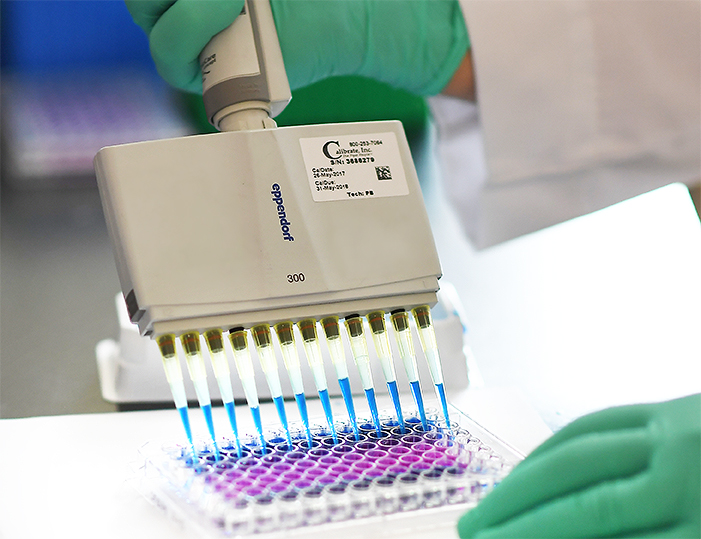
Immunology Testing - Saint John's Cancer Institute
Immunology testing helps to evaluate immune response and evasion in cancer patients – Saint John’s Cancer Institute

Cancer scientists have recognized an emerging hallmark of cancer referred to as immune evasion, or as immune resistance—the ability for cancer cells to evade the immune system.

Although considerable progress has been made in understanding how cancers induce immune evasion, thus causing resistance to treatment interventions, including immunotherapy, additional research is still needed. Following immunotherapeutic interventions, indeed only 30% of cancer patients respond optimally, thus demonstrating the urgency to explore the underlying reasons leading to such phenomena more in depth.

At the Saint John’s Cancer Institute, the Rosalie and Harold Rae Brown Cancer Immunotherapy Research Program is addressing this problem by enabling high throughput immune fingerprints (molecular functional profiles), at baseline and following therapeutic interventions, to facilitate precision medicine and help select: (i) patients who benefit most to treatment interventions, (ii) treatments that are most appropriate and effective for patients.
Immunology Program Funding

The Translational Immunology Research department is proudly supported by Rosalie and Harold Rae Brown Cancer Immunotherapy Research Program. The Rosalie and Harold Rae Brown Cancer Immunotherapy Research Program provides collaborative services and solutions for our centers of excellence, which includes clinical teams for melanoma, breast, endocrine, neurosciences, and other types of cancer. Together, we develop immunology therapeutics designed for each patient’s specific attributes, working to improve outcomes and quality of life. Immunology therapeutics are developed here at the Saint John’s Cancer Institute—a premier research facility that is actively partnering with academic and industry organizations around the world.

Precision Immunology - Saint John's Cancer Institute
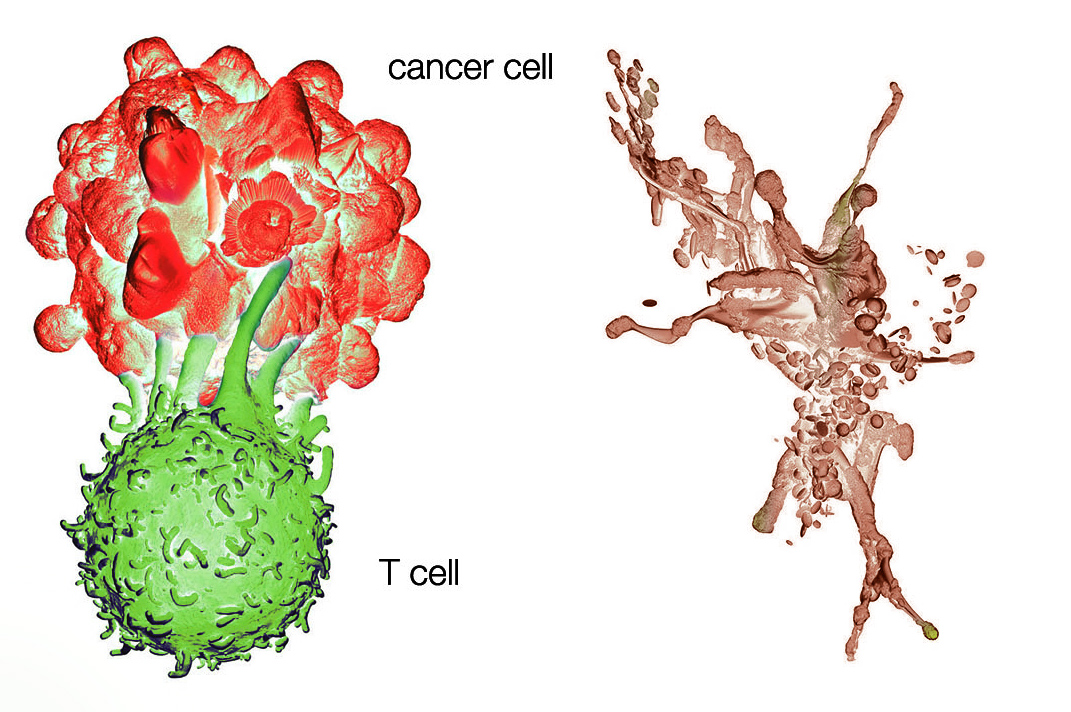
Enabling immune response helps T-cells identify and destroy cancer cells – Saint John’s Cancer Institute

More about Precision Immunology

Our immune system can recognize what is normal and what is foreign in our body. As such, our immune cells are regularly trained to fight everything that is not part of our self. One of the reasons why cancer cells can grow and multiply without being challenged is because our immune system doesn’t recognize the development of cancer cells as something strange. This phenomenon is referred to as immune evasion or immune escape–cancer cells escaping or evading the immune system.

By focusing on what is causing evasion, will help guide better treatment and management of cancer progression. It is therefore important to assess each individual case because immune evasion in one patient can be different from what is causing immune evasion in another. It is the fundamental principle of precision immunology and medicine—identifying the inhibitors of immune response at the patient level.

Kim Margolin, MD, FACP, FASCO

Kim Margolin, MD, FACP. FASCO
Kim Margolin, MD, FACP, FASCO

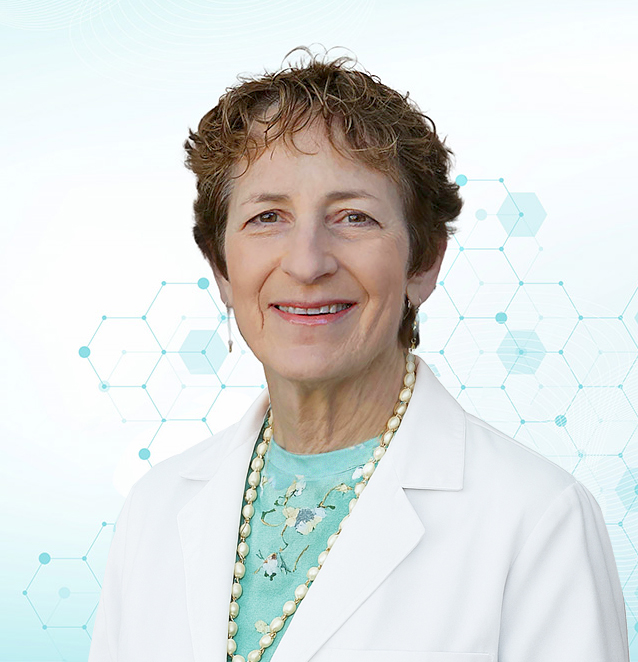
Kim Margolin, MD, FACP, FASCO, is a nationally recognized leader in translational melanoma research and immuno‑oncology, serving as Medical Director of the Melanoma Program at the Saint John’s Cancer Institute. Over nearly four decades, she has played pivotal roles in advancing immune‑based therapies for melanoma, contributing to the development of cytokine therapies, immune checkpoint inhibitors, and emerging cellular immunotherapies. Her work spans laboratory‑informed clinical investigation, including her long‑standing leadership within the Cytokine Working Group and the Cancer Immunotherapy Trials Network, and her service on major cooperative oncology groups such as SWOG.

Dr. Margolin has been centrally involved in numerous groundbreaking clinical trials, including research that helped establish agents like ipilimumab as foundational therapies in melanoma. Her translational research interests include mechanisms of brain metastasis, immunologic determinants of treatment response, and optimizing systemic therapies for high‑risk and metastatic skin cancers. At Saint John’s Cancer Institute, she collaborates closely with surgeons and molecular scientists to drive innovation across clinical trials, translational immunology, and precision therapeutics—all with the goal of improving outcomes for patients with melanoma and other cutaneous malignancies.

Publications

Dr. Kim Margolin has published many dozens of peer-reviewed and co-authored articles on immunotherapy and melanoma. See additional articles at pubmed.ncbi.nim.nih.gov.

  1. Comparative Analysis of Intracranial Response Assessment Criteria in Patients With Melanoma Brain Metastases Treated With Combination Nivolumab + Ipilimumab in CheckMate 204.
    J Clin Oncol. 2025 Apr;43(10):1210-1218. doi: 10.1200/JCO.24.00953. Epub 2025 Jan 3.
    PMID: 39752606
  2. Efficacy of adjuvant therapy in patients with stage IIIA cutaneous melanoma.
    Ann Oncol. 2025 Jul;36(7):807-818. doi: 10.1016/j.annonc.2025.03.021. Epub 2025 Apr 8.
    PMID: 40204154
  3. Role of high-dose interleukin-2 for melanoma in the age of cellular therapy.
    J Immunother Cancer. 2025 May 30;13(5):e011119. doi: 10.1136/jitc-2024-011119.
    PMID: 40447314 Free PMC article. Review.
  4. Comprehensive Profiling of Acral Lentiginous Melanoma Reveals Downregulated Immune Activation Compared to Cutaneous Melanoma.
    Pigment Cell Melanoma Res. 2025 May;38(3):e70027. doi: 10.1111/pcmr.70027.
    PMID: 40405404 Free PMC article.
  5. Using Indirect Comparisons of Prospective, Randomized Trials to Make Therapeutic Decisions in Melanoma: Cross-Trial Comparisons as Surrogates for Proper Head-To-Head Studies?
    J Clin Oncol. 2024 Nov 20;42(33):3891-3894. doi: 10.1200/JCO-24-01634. Epub 2024 Oct 7.
    PMID: 39374466 No abstract available.
Immunotherapy Publication Articles - Saint John's Cancer Institute