

Your Journey With Thyroid Cancer: What to Expect From Your Care Team
A diagnosis of thyroid cancer can bring a lot of questions: What type of cancer is it? Will I need surgery? Will my thyroid be removed? Will I need thyroid hormone medication? And who will help me make these decisions?
Thyroid cancer care often involves more than one specialist. An endocrine surgeon may evaluate whether surgery is appropriate and determine the extent of surgery when it is needed. An endocrinologist can help evaluate thyroid function, manage hormone replacement and participate in ongoing care. Depending on the type and extent of cancer, other specialists may also be involved.
1. Your Care Begins With Understanding What Has Been Found
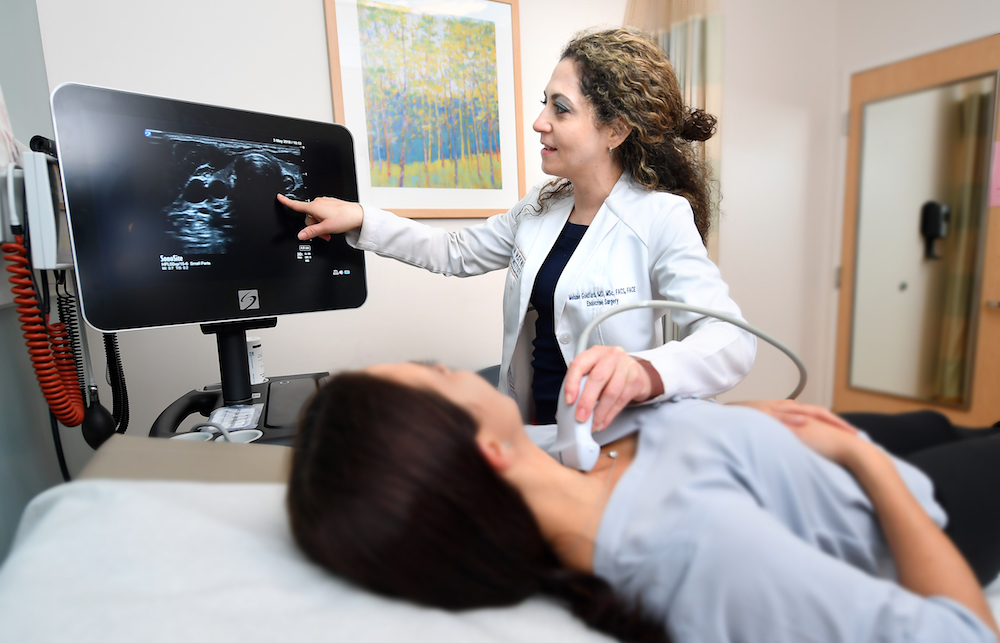
A thyroid nodule does not necessarily mean cancer. When a nodule or other thyroid abnormality is discovered, evaluation may include a physical examination, medical history, thyroid blood tests and ultrasound. If the ultrasound and other clinical findings indicate that a biopsy is appropriate, an ultrasound-guided fine-needle aspiration may be used to examine thyroid cells.
If cancer is confirmed, the pathology and imaging findings help determine the type of thyroid cancer and how extensive it is. These details are important because thyroid cancer is not one disease, and treatment decisions depend on the characteristics of the individual cancer.
Learn more about thyroid nodules and their evaluation.
2. A Thyroid Surgeon Helps Determine Whether Surgery Is Needed
Surgery is an important treatment for many thyroid cancers, but not every patient needs the same operation. For selected small, low-risk thyroid cancers, active surveillance may be an appropriate option. When surgery is recommended, the procedure may involve removing one lobe of the thyroid (lobectomy) or the entire gland (total thyroidectomy).
The extent of surgery is based on factors such as the cancer’s size, location, spread, other findings in the thyroid, and the patient’s individual circumstances and preferences. The 2025 American Thyroid Association guidelines place greater emphasis on lobectomy for appropriately selected low-risk differentiated thyroid cancers and on shared decision-making when choosing the extent of surgery.
“We have more options today than we did even 10 years ago.”
– Dr. Goldfarb
When surgery is needed, an endocrine surgeon can explain the expected benefits and risks of the procedure, discuss the extent of surgery, and help patients understand what recovery may involve.
Learn more about thyroidectomy and thyroid surgery.
3. An Endocrinologist Helps Manage Thyroid Hormones and Long-Term Care
The thyroid produces hormones that affect metabolism and many other functions throughout the body. After a total thyroidectomy, patients need thyroid hormone replacement because the body can no longer produce thyroid hormone from the removed gland. After a lobectomy, some patients continue to produce enough thyroid hormone on their own, while others may eventually need replacement.
An endocrinologist can monitor thyroid function through blood testing and adjust hormone replacement when needed. For some patients with differentiated thyroid cancer, thyroid hormone treatment may also be adjusted as part of cancer follow-up based on the individual’s risk and response to treatment.
Depending on the type and extent of thyroid cancer, an endocrinologist may also participate in decisions about additional treatment and surveillance, including radioactive iodine when it is appropriate.
Learn more about thyroid cancer, including diagnosis, treatment and follow-up.
4. Your Treatment Plan Is Based on Your Cancer—not Just the Diagnosis
There are several types of thyroid cancer, including papillary, follicular, medullary and anaplastic thyroid cancers. They differ in their biology, typical behavior and treatment approaches. Even among patients with the same type of thyroid cancer, treatment can differ based on tumor size, location, lymph-node involvement, spread beyond the thyroid or to distant sites, and other clinical and pathologic findings.
For differentiated thyroid cancers, treatment may include surgery, radioactive iodine, thyroid hormone therapy or active surveillance, depending on the patient and the cancer. More advanced or recurrent disease may require additional treatments, including targeted therapy or external-beam radiation in selected circumstances.
The goal is not simply to treat the thyroid cancer, but to choose an approach that appropriately addresses the cancer while considering long-term thyroid function, potential treatment effects and the patient’s preferences.
Fertility and Family Planning
Questions about future fertility and pregnancy are especially important for younger patients. Thyroid hormone levels can be carefully managed during pregnancy, and the care team can help patients understand how treatment and follow-up may affect family planning.
At Saint John’s, care continues beyond the initial diagnosis and treatment, with the thyroid care team helping patients navigate the next steps and ongoing monitoring. Follow-up can include thyroid hormone testing, ultrasound and other assessments as appropriate, with the frequency of visits adjusted as a patient’s needs and response to treatment evolve.
“By and large they are going to live wonderful, happy, healthy normal lives.”
— Dr. Sarah Rettinger
5. Follow-Up Is Part of Your Thyroid Cancer Care
Thyroid cancer care does not necessarily end after surgery. Your follow-up plan depends on the type and extent of your cancer, the treatment you received, and your risk of recurrence. Follow-up may include physical examinations, thyroid hormone testing, thyroglobulin testing for appropriate patients, neck ultrasound, or other imaging when needed.
For many patients, follow-up becomes less frequent over time when there is no evidence of recurrent disease. Your endocrinologist and thyroid cancer care team can help determine what monitoring is appropriate for you and adjust your care as your needs change.
Hear From the Thyroid Care Team
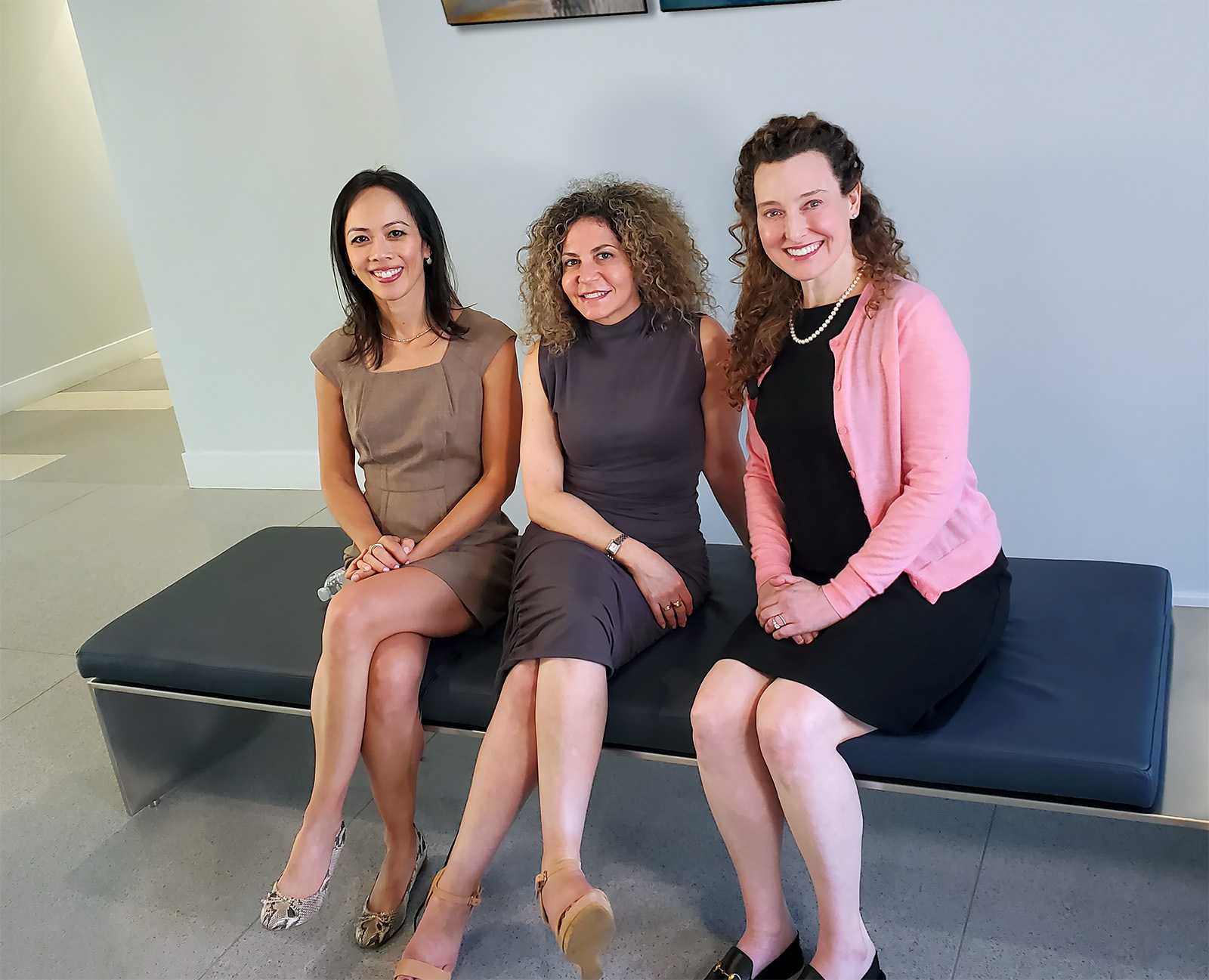
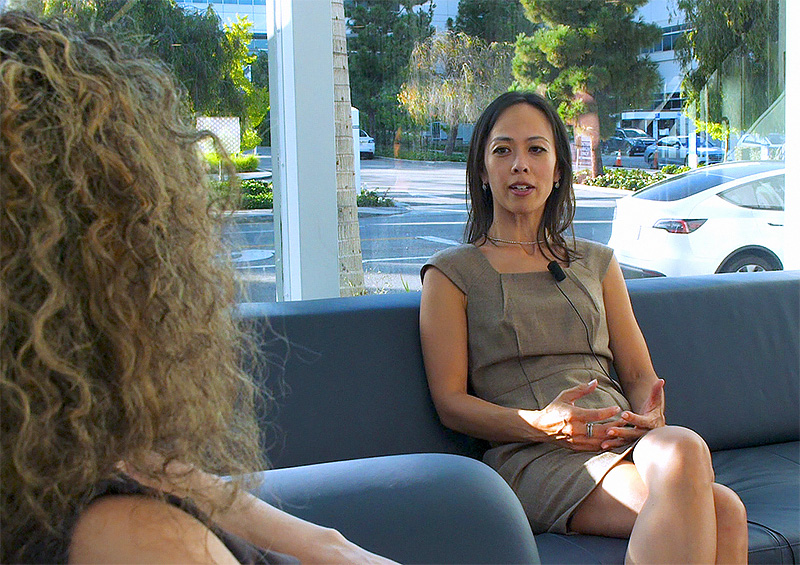
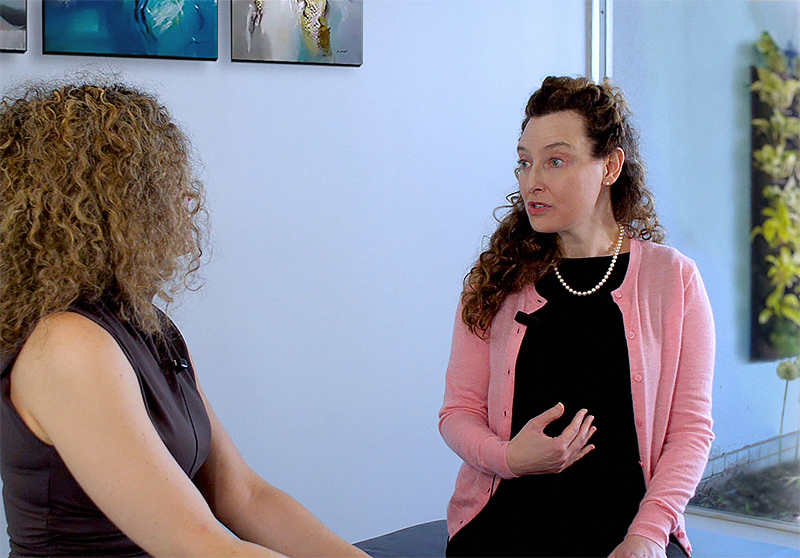
In this conversation, Drs. Melanie Goldfarb, Rose Lin, and Sarah Rettinger discuss thyroid cancer treatment and the roles of the care team. The video was recorded in 2023; the written information in this article reflects current clinical guidance.
Dr. Goldfarb, Dr. Lin, & Dr. Rettinger talk with staff inside Saint John’s Cancer Institute.
What Does a Thyroid Cancer Care Team Mean for You?
Having more than one specialist involved does not mean that your care has to become complicated. Ideally, your specialists work from the same information and help you understand what each recommendation means for you.
Your care may involve an endocrine surgeon, endocrinologist, radiologist, pathologist, nuclear medicine specialist, medical oncologist or radiation oncologist, depending on the type and extent of thyroid cancer. Not every patient needs every specialist.
The most important question is not simply, “Which treatment do I need?” It is, “What does my cancer require, and why is this the right approach for me?”
Questions to Ask Your Thyroid Cancer Team
- What type of thyroid cancer do I have?
- How large is the cancer, and is it confined to the thyroid?
- Are lymph nodes or other areas involved?
- Do I need surgery, and if so, would a lobectomy or total thyroidectomy be appropriate?
- Could active surveillance be an option for me?
- Will I need thyroid hormone replacement?
- Will I need radioactive iodine or another treatment after surgery?
- What will my follow-up care involve?
Thyroid Cancer Care at Saint John’s
The Center for Endocrine Tumors and Disorders at Saint John’s brings together endocrine surgery and endocrinology to evaluate thyroid conditions and coordinate treatment. The team provides care for thyroid nodules and thyroid cancer, with treatment plans tailored to the diagnosis and the individual patient.
Explore the Center for Endocrine Tumors and Disorders.
Meet the Endocrine and Thyroid Care Team.
Learn more about Melanie Goldfarb, MD.
Sources & Further Reading
- American Thyroid Association
- National Cancer Institute — Thyroid Cancer
- American Cancer Society — Thyroid Cancer