

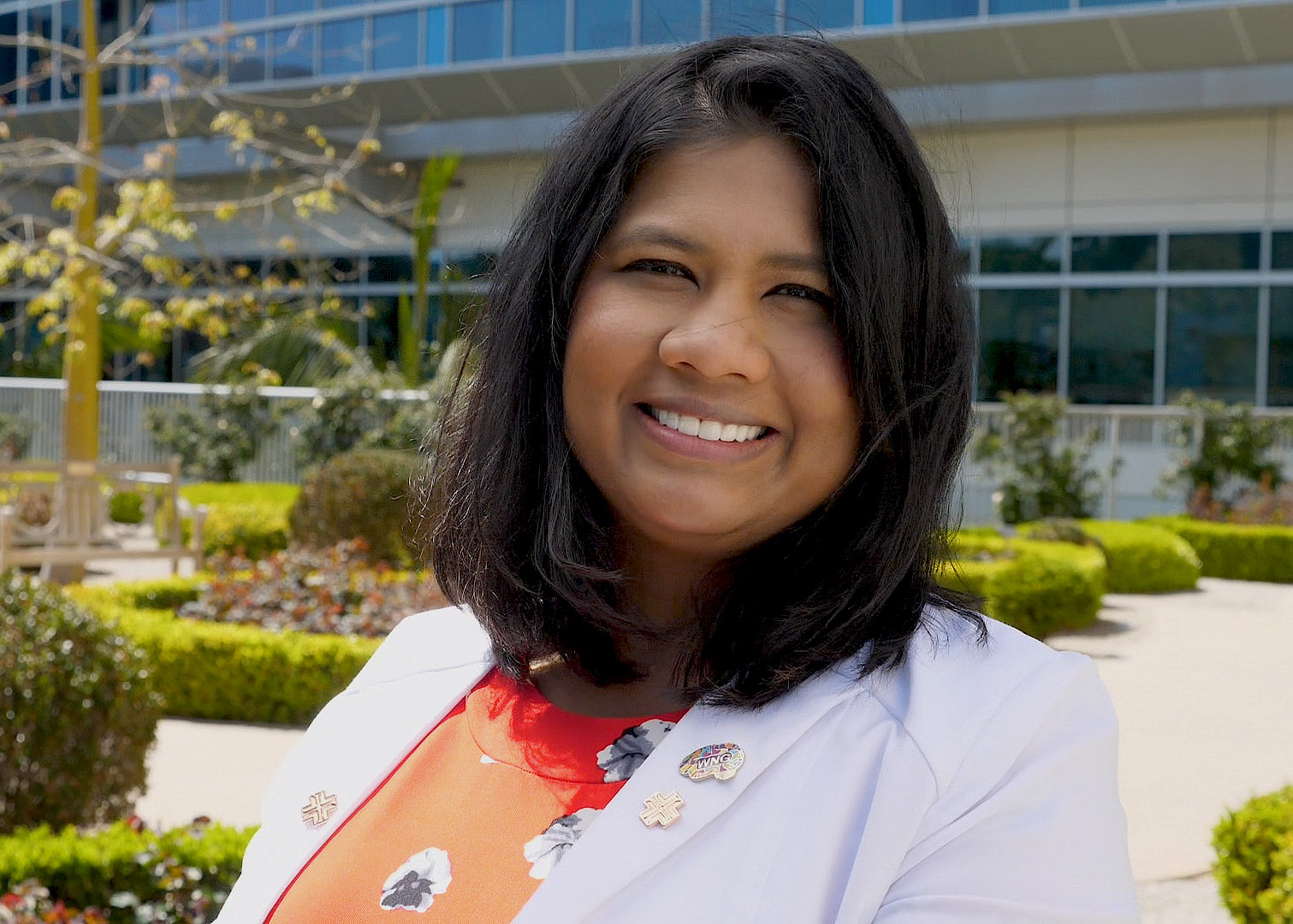
Akanksha Sharma, MD, Discusses Brain Tumor Awareness, Symptoms, and Treatment
Brain tumors can affect people of different ages and may cause symptoms that vary according to the tumor’s location, size, and type. In this original 2023 Brain Tumor Awareness interview, Akanksha Sharma, MD, a neuro-oncologist then affiliated with Pacific Neuroscience Institute (PNI) and Saint John’s Cancer Institute, discusses the differences between brain tumors, potential warning signs, and the importance of multidisciplinary care.
Dr. Sharma was practicing with the organizations at the time of the interview but has since departed. Her original discussion remains an educational resource for patients and families seeking to understand brain tumors and the role of neuro-oncology specialists.
Brain tumors include both noncancerous (benign) and cancerous (malignant) conditions. Some arise within the brain or central nervous system, while others develop when cancer spreads from another part of the body. Because symptoms can overlap with those of many other medical conditions, diagnosis requires an appropriate clinical evaluation rather than relying on symptoms alone.
Who Develops Brain Tumors?
Brain tumors occur in people of all ages, although the frequency and types of tumors differ among children, adults, and older individuals.
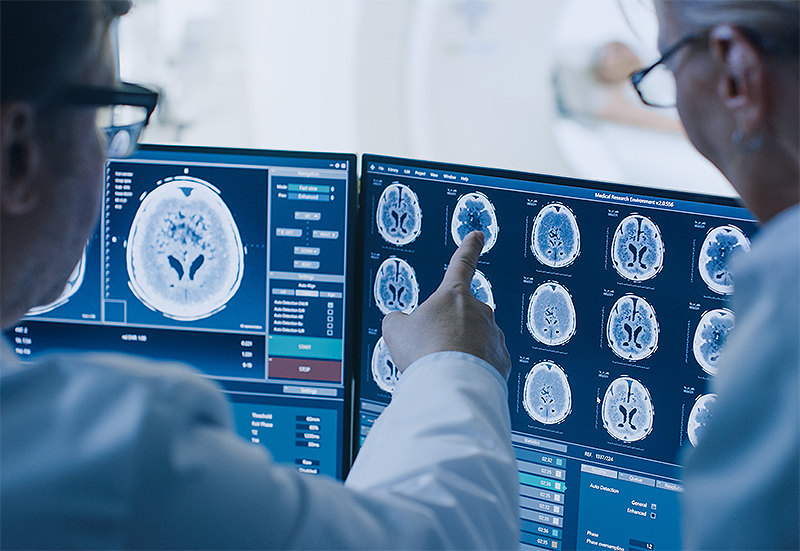
According to the Central Brain Tumor Registry of the United States (CBTRUS), an estimated 107,100 new primary brain and other central nervous system tumors were expected to be diagnosed in the United States in 2025. This figure includes both malignant and nonmalignant tumors.
Primary tumors begin in the brain or another part of the central nervous system. This estimate does not include cancers that originated elsewhere in the body and later spread to the brain.
The likelihood of developing a particular brain tumor varies with factors such as age, tumor type, and certain inherited conditions. For most primary brain tumors, however, a specific cause cannot be identified. Many people diagnosed with a brain tumor have no recognized inherited risk factor or history of an identifiable exposure associated with their disease.
Dr. Sharma emphasized the importance of understanding that a diagnosis does not necessarily result from something a patient did or failed to do.
Primary Brain Tumors
A primary brain tumor develops from cells within the brain or central nervous system, or from associated structures such as the meninges. Examples include gliomas, meningiomas, and other tumors that differ in their biological behavior, location, and treatment requirements.
Some tumors grow relatively slowly, while others are more aggressive. Even a nonmalignant tumor can cause serious medical problems if it presses against important areas of the brain or affects normal neurologic function.
Brain Tumors in Children and Adults
The types of brain tumors seen in children can differ substantially from those diagnosed in adults. Malignant brain and other central nervous system tumors are among the significant causes of cancer-related mortality in children and adolescents, although individual outcomes vary greatly by diagnosis.
In adults, both malignant and nonmalignant brain tumors occur, with meningioma among the more frequently diagnosed primary tumors. Because different tumor types have different clinical characteristics, general statistics cannot predict an individual patient’s prognosis.
What Is a Secondary or Metastatic Brain Tumor?
A secondary brain tumor, also called a brain metastasis, develops when cancer cells spread to the brain from a cancer that began elsewhere in the body. Dr. Sharma discussed examples involving lung cancer, breast cancer, melanoma, and kidney cancer. Each of these cancers can sometimes spread to the brain.
Brain metastases are distinct from primary brain cancers. For example, breast cancer that spreads to the brain remains metastatic breast cancer rather than becoming a primary brain cancer.
Importantly, brain metastasis is not necessarily caused by delayed diagnosis, inadequate treatment, or failure to recognize symptoms. Cancer can spread despite appropriate treatment, and some patients are diagnosed with brain metastases when their original cancer is first identified.
The likelihood of brain metastasis depends on the original cancer type, its biological characteristics, disease extent, and other factors.Management may involve systemic cancer treatment, radiation therapy, surgery, or combinations of approaches according to the patient’s circumstances.
Learn more about brain tumors and metastatic brain cancer at Pacific Neuroscience Institute.
Watch Dr. Sharma Discuss Brain Tumor Awareness
In this original 2023 video interview, Dr. Sharma explains how physicians evaluate suspected brain tumors, why symptoms vary, and the importance of individualized care.
The interview reflects her professional affiliation and clinical research activities at the time of recording. It should not be interpreted as an indication that she currently practices at Saint John’s Cancer Institute or Pacific Neuroscience Institute.
Brain Tumor Awareness: Facts, Symptoms, and Treatment — Akanksha Sharma, MD
Akanksha Sharma, MD, discusses brain tumor evaluation, symptoms, and individualized treatment in an original 2023 interview.
Our goal here is to help support the patient and their family and improve their quality and quantity of life.
– Akanksha Sharma, MD
What Are the Symptoms of a Brain Tumor?
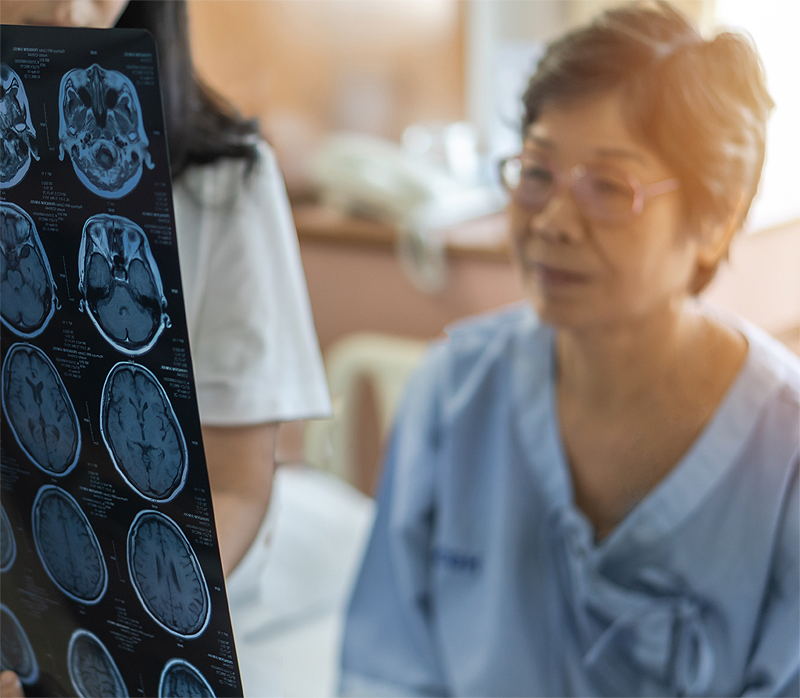
Brain tumor symptoms vary widely. They depend on the location and size of the tumor, how quickly it develops, and which functions of the brain are affected. Some tumors cause noticeable neurologic changes, while others may initially produce few symptoms or be discovered incidentally during imaging for another condition.
Symptoms discussed in Dr. Sharma’s interview include:
- New or worsening headaches, particularly those that persist or change in pattern.
- Headaches that become worse when lying down or under certain circumstances.
- Unexplained nausea or vomiting, especially when accompanied by other neurologic symptoms.
- Weakness affecting one side of the body.
- Numbness or changes in sensation.
- Difficulty speaking, finding words, or understanding language.
- Changes in memory, concentration, behavior, or personality.
- New-onset seizures.
- Problems with vision, coordination, balance, or walking.
These symptoms do not necessarily indicate a brain tumor. Many have more common explanations, and most headaches are not caused by brain cancer.
Nevertheless, persistent, progressive, or unexplained neurologic symptoms should be assessed by a healthcare professional.
Seek emergency medical care for a first-time seizure, sudden weakness or difficulty speaking, a sudden severe headache, or other abrupt neurologic changes. These symptoms can also indicate emergencies such as stroke.
How Are Brain Tumors Evaluated and Treated?
When a brain tumor is suspected, clinicians consider the patient’s symptoms, medical history, neurologic examination, and appropriate diagnostic studies.
Magnetic resonance imaging (MRI) is frequently used to evaluate suspected brain tumors. Additional imaging, laboratory testing, biopsy, or surgical evaluation may be needed depending on the findings.
Whenever tissue is obtained, pathology and molecular testing may help establish the diagnosis and identify characteristics relevant to treatment planning.
A Multidisciplinary Treatment Team
Dr. Sharma emphasized the importance of involving specialists from several disciplines when developing a treatment plan.
Depending on the diagnosis, the care team may include neuro-oncologists, neurosurgeons, radiation oncologists, neuroradiologists, neuropathologists, medical oncologists, rehabilitation professionals, and supportive care specialists.
The choice of treatment depends on factors such as tumor type, grade, location, molecular characteristics, symptoms, and the patient’s overall medical condition. Possible approaches include surgery, radiation therapy, medication, systemic cancer treatment, observation for selected tumors, or combinations of treatments.
In the original interview, Dr. Sharma described the goal of providing care that is “personalized and individual for every single patient.” That approach recognizes that patients with similar diagnoses may have different treatment needs and preferences.
The Role of Clinical Trials
Clinical trials investigate approaches that may help researchers improve the prevention, diagnosis, and treatment of brain tumors. Some studies evaluate investigational medications or combinations of therapies. Others examine surgical techniques, radiation approaches, molecular markers, or supportive interventions.
Participation is voluntary and requires study-specific eligibility screening and informed consent. Investigational treatments may have unknown risks and may not provide additional benefit compared with established care.
During the original 2023 interview, Dr. Sharma described her role in clinical research:
I serve as Site Principal Investigator for many of these trials.
– Akanksha Sharma, MD
This statement reflects her research responsibilities in 2023 and does not describe current trial leadership at Saint John’s Cancer Institute.
Patients interested in available studies can explore the Saint John’s Cancer Institute Active Clinical Trials or review research opportunities through Pacific Neuroscience Institute.
Quality of Life and Supportive Care
Brain tumors can affect physical abilities, emotional well-being, cognition, independence, family relationships, and daily activities. Supportive care may include symptom management, rehabilitation, psychological support, social services, and discussions about treatment goals. These services may be appropriate at different stages of care, including alongside surgery, radiation, or systemic therapy.
Dr. Sharma’s original discussion emphasized the importance of supporting patients and families while considering both the effects of the disease and the challenges of treatment.
Learn More About Brain Tumor Care and Research
Pacific Neuroscience Institute maintains a dedicated Brain Tumor Center, offering information about primary brain tumors, metastatic brain tumors, diagnostic evaluation, and treatment options.Its multidisciplinary teams provide specialized services for brain and central nervous system conditions. Current physician listings, appointment information, and clinical services should be obtained directly from PNI.
Saint John’s Cancer Institute also maintains a directory of active oncology clinical trials, including neuro-oncology research opportunities.
- Pacific Neuroscience Institute — Pacific Brain Tumor Center
- Pacific Neuroscience Institute — Neuro-Oncology Services
- Saint John’s Cancer Institute — Active Clinical Trials
Brain Tumor Awareness, Evaluation, and Individualized Care
Brain Tumor Awareness encourages patients and families to understand possible neurologic symptoms, recognize when medical evaluation is needed, and learn how different specialists contribute to diagnosis and treatment. Dr. Akanksha Sharma’s original 2023 interview provides an educational perspective on primary and metastatic brain tumors, individualized care, and clinical research. Her discussion remains part of the Institute’s historical physician education resources.
For detailed information about brain tumor diagnosis, treatment, and current specialist services, visit the Pacific Brain Tumor Center. Patients considering research participation can also review Active Clinical Trials at Saint John’s Cancer Institute and discuss appropriate options with their treating physicians.
Sources & Further Reading
- Central Brain Tumor Registry of the United States — 2025 Statistical Report
- National Cancer Institute — Adult Central Nervous System Tumors: Patient Information
- National Cancer Institute — Metastatic Cancer: When Cancer Spreads
- Pacific Neuroscience Institute — Pacific Brain Tumor Center
- Pacific Neuroscience Institute — Neuro-Oncology
- Saint John’s Cancer Institute — Active Clinical Trials