

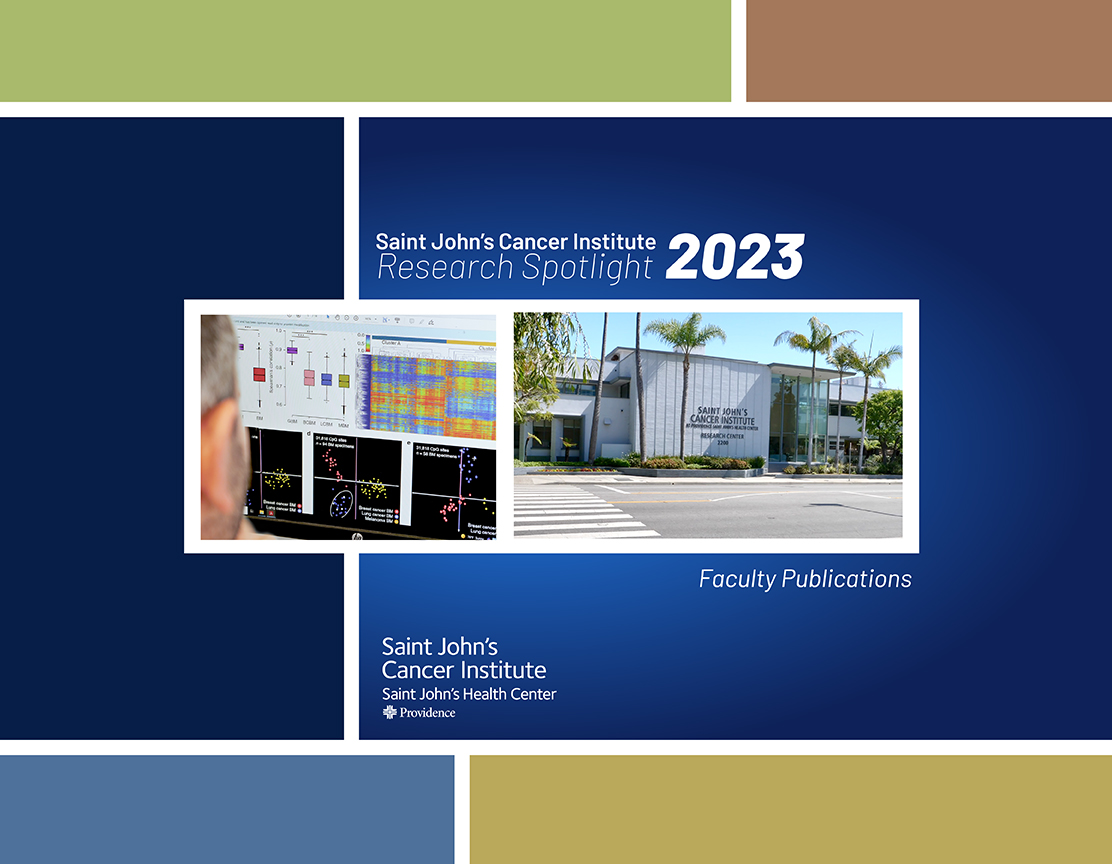
Saint John’s Cancer Institute’s Researchers Address Global Challenges in the Fight Against Cancer
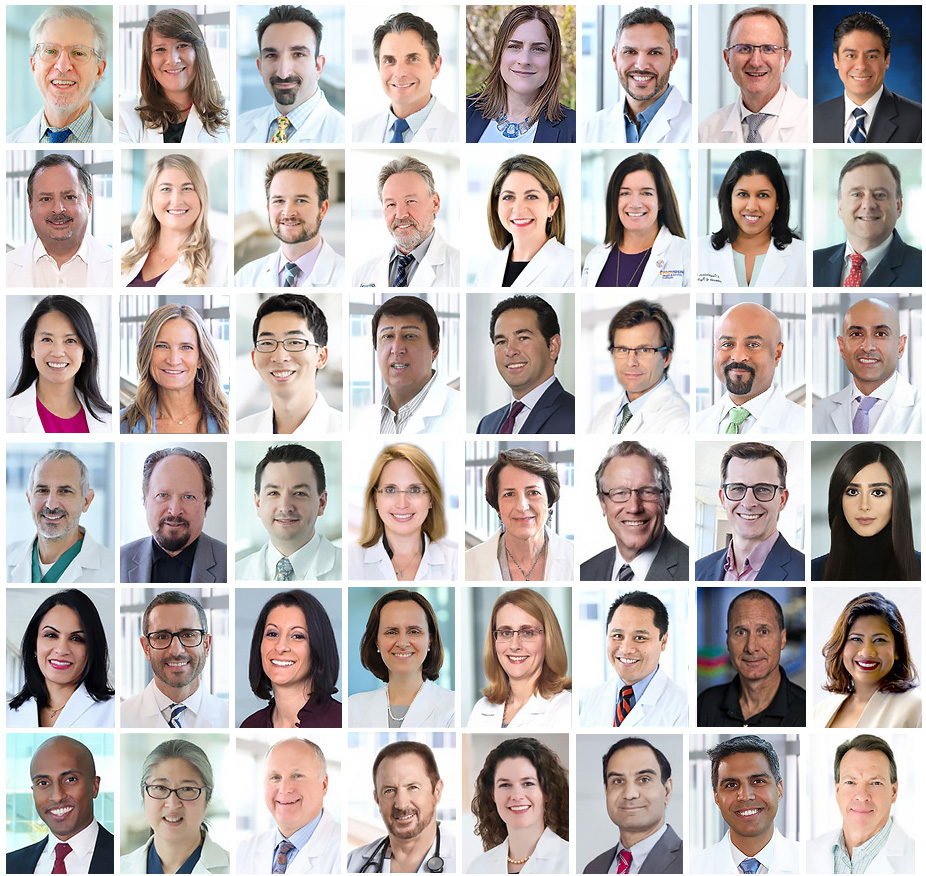
In 2023, scientists and clinicians at Saint John’s Cancer Institute contributed to 92 peer-reviewed research studies across oncology, neuroscience, and related medical specialties. The Institute’s annual Research Report documents the work of 47 scientists and clinicians, supported by their research teams, fellows, and collaborators at institutions in the United States and internationally. Their investigations examined cancer biology, diagnostic methods, treatment strategies, clinical outcomes, and other questions contributing to the advancement of medical knowledge.
Published in January 2024, the 2023 Research Report represents the second year in the Institute’s annual series of faculty research publications. It provides a record of scientific investigations conducted across clinical and laboratory disciplines, illustrating the importance of research collaboration in understanding complex diseases.
Research is essential to evaluating medical evidence, identifying unanswered questions, and investigating approaches that may eventually contribute to better diagnosis, prevention, and treatment.
Scientific findings, however, must be interpreted within the limits of each study. A single publication may identify an important relationship or promising approach, but additional validation is often required before discoveries can change clinical practice.
2023 Cancer Research: 92 Peer-Reviewed Studies Across Multiple Specialties
The 2023 Research Report identifies 92 peer-reviewed publications involving 47 scientists and clinicians, not including the many laboratory personnel, clinical support teams, and collaborating investigators who contributed to the work.
Studies addressed a broad range of subjects, including breast cancer, melanoma and cutaneous oncology, brain tumors and metastases, kidney cancer, pancreatic cancer, prostate cancer, lung cancer, thyroid cancer, ovarian cancer, colorectal cancer, bladder cancer, and other malignancies.
The report also includes investigations involving Alzheimer’s disease, dementia, neurologic conditions, alcohol use disorders, molecular biology, genetic analysis, and emerging research approaches in neuroscience.
These diverse subjects reflect the participation of clinicians and scientists whose areas of expertise overlap with cancer research, neurological diseases, and related medical fields.
Translational Research and Molecular Science
Translational research connects laboratory discoveries with clinical questions that may lead to improvements in how diseases are understood, diagnosed, monitored, or treated.
In 2023, researchers at Saint John’s Cancer Institute contributed to studies involving molecular biomarkers, tumor biology, genetic and genomic characteristics, immune responses, and mechanisms of cancer progression.
For example, research included investigations of microRNA signatures in kidney cancer, molecular characteristics of melanoma brain metastases, and biological pathways associated with resistance to certain cancer treatments.
These studies may help researchers identify potential diagnostic markers or therapeutic targets. Such findings require additional scientific and clinical evaluation before they can be considered established patient-care applications.
Clinical Research and Treatment Evaluation
Clinical research examines medical questions involving patient populations, diagnostic methods, therapeutic approaches, and health outcomes.
The 2023 publications included clinical investigations across surgical oncology, medical oncology, neuroscience, and related disciplines.
Some studies evaluated existing treatments or compared clinical outcomes, while others investigated the feasibility or safety of newer approaches.
Clinical trials and observational research serve different purposes, and the strength of their conclusions depends on factors such as study design, sample size, patient selection, and follow-up.
Each publication contributes evidence that may inform additional investigations and future clinical decisions.
Neuroscience and Related Research
Several studies in the 2023 report involved research associated with the Pacific Neuroscience Institute and collaborating neuroscientists.
Topics included brain tumors, neurological disorders, cognition, neuroimaging, neurosurgical procedures, and investigations involving patients with complex neurological conditions.
The inclusion of this work reflects research relationships across oncology and neuroscience, including conditions that require both neurological and cancer-related expertise.
These collaborations allow investigators to draw upon different specialties when studying diseases that affect the central nervous system.
The Role of Surgical Oncology and Research Fellows
Fellows also contributed to the Institute’s scientific work through clinical investigations, translational research, data analysis, presentations, and collaborative studies.
Working with faculty mentors, fellows may investigate questions arising from clinical care, review scientific literature, and contribute to the preparation of peer-reviewed publications.
Research mentorship helps physicians develop the ability to evaluate evidence, interpret study findings, and participate in scientific investigation throughout their careers.
The 2023 report reflects contributions across translational science, urology, breast oncology, neuroscience, endocrine disorders, complex general surgical oncology, and melanoma.
Learn more about Fellowship Programs at Saint John’s Cancer Institute.
Why Collaborative Research Matters
Cancer is not a single disease, and its diagnosis and treatment often require knowledge from several medical and scientific disciplines.
Surgeons, medical oncologists, radiation oncologists, pathologists, molecular scientists, geneticists, research coordinators, laboratory professionals, and other specialists contribute different perspectives to scientific investigation.
Research collaboration may help investigators access specialized technologies, evaluate larger datasets, and develop studies addressing questions that would be more difficult to examine within a single department.
Partnerships with other medical institutions can also support research across different patient populations and clinical settings.
The Institute’s 2023 report reflects these collaborations and documents how scientists and clinicians participated in investigations extending beyond their individual specialties.
Research Findings Build Upon Previous Evidence
A single scientific study usually answers only part of a larger question. Research findings must be considered alongside earlier studies, subsequent investigations, and the limitations of the methods used.
For example, identifying a molecular difference between tumors may lead to further work determining whether that difference can be measured reliably or used to guide treatment decisions.
Likewise, demonstrating that a procedure is feasible does not necessarily establish that it is superior to existing treatments or improves long-term outcomes.
Peer-reviewed publication provides an important means of communicating research findings for scientific evaluation, discussion, and further investigation.
Scientific Discovery and Patient Care
Research may eventually contribute to improved screening methods, more accurate diagnosis, new therapies, and better understanding of how patients respond to treatment.
However, the relationship between scientific investigation and improved patient outcomes is not always immediate or direct.
Some publications establish foundational knowledge, while others provide clinical evidence that may contribute to changes in practice after further evaluation.
The 2023 Research Report documents this broader scientific process rather than suggesting that every study resulted in a new clinical intervention.
Recognizing the 2023 Researchers and Their Teams
The 2023 Research Report reflects the work of scientists, physicians, fellows, laboratory personnel, clinical teams, research administrators, and external collaborators.
Although the report identifies 47 scientists and clinicians, many additional individuals contributed to the projects through laboratory investigations, patient-related research activities, data management, scientific analysis, and administrative support.
Saint John’s Cancer Institute recognizes the contributions of its research community and the collaborative effort required to investigate complex medical questions.
Thank you to our researchers, clinicians, fellows-in-training, and administrators. Through you, we are honored to be part of the impact you are making.
The more research we can do, the more our patients can do with their lives.
Leadership Perspectives on Research and Scientific Collaboration
The original 2023 report included reflections from institutional leaders and scientists about the importance of research, collaboration, and financial support for continued scientific investigation.
These statements are preserved as historical quotations. Leadership titles reflect the positions associated with the speakers at the time and should not be interpreted as current appointments.
Neil A. Martin, MD — Neurosurgery and Institutional Leadership
Neil A. Martin, MD, a neurosurgeon affiliated with Pacific Neuroscience Institute, served in an interim leadership role at Saint John’s Cancer Institute during the period associated with this report.
Reflecting on the long-term goals of cancer research, Dr. Martin stated:
These advances, together, are going to take us to the end of cancer. The work that these people are doing is going to determine when that day is.
– Neil A. Martin, MD, then Medical Director of Saint John’s Cancer Institute and Neurosurgeon
His remarks express the aspirations behind scientific investigation. Cancer encompasses many different diseases, and no single discovery or research program can be expected to eliminate all cancers.
Dave S. B. Hoon, PhD — Translational Research
Dave S. B. Hoon, PhD, has contributed to the Institute’s long-standing work in translational molecular medicine and collaborative cancer research.
In the original report, Dr. Hoon emphasized the importance of scientific partnerships:
This report shows our collaborative aspects of translational oncology research with cancer centers around the world, demonstrating our continual devotion to improving patient care and finding innovative approaches to curing cancer.
– Dr. Dave SB Hoon, Director of SJCI Translational Research
Translational research often depends on collaboration among laboratories and clinical investigators to examine tumor biology, molecular markers, and possible treatment approaches.
Michael Ricks — Institutional and Philanthropic Support
Michael Ricks, who served as Chief Executive of Providence Saint John’s Health Center and Saint John’s Cancer Institute during the period represented in the report, spoke about the importance of philanthropy in supporting cancer research.
…in finding a cure for cancer I promise you that there will be a direct correlation in finding a cure to cancer to philanthropy.
– Michael Ricks, then CEO & President of Saint John’s Health Center and Cancer Institute
Scientific research requires resources for laboratory equipment, research personnel, clinical investigations, regulatory oversight, and collaboration among institutions.
Research grants, institutional support, partnerships, and philanthropic contributions can help sustain these activities and create opportunities for further investigation.
Download the 2023 Saint John’s Cancer Institute Research Report

The 2023 Research Spotlight provides the complete list of faculty publications and participating investigators documented for that reporting year.
Readers can explore studies across oncology and neuroscience, review scientific citations, and learn more about the Institute’s research collaborations.
Download the Saint John’s Cancer Institute Research Spotlight 2023 — Faculty Publications (PDF).
The Institute also maintains an Annual Research Reports archive, which includes the 2022, 2023, 2024, and 2025 reports.
The 2023 report should be viewed as a historical record of that year’s scientific activities, rather than as a description of currently recruiting clinical trials or the Institute’s present leadership structure.
Continued Commitment to Cancer Research
The 2023 Research Report documents 92 peer-reviewed publications involving 47 scientists and clinicians at Saint John’s Cancer Institute. Through laboratory investigation, translational research, clinical studies, and collaboration with research partners, these publications contributed to scientific knowledge across cancer and related medical specialties. The report also recognizes the important role of fellows, researchers, laboratory teams, and institutional support in sustaining scientific investigation.
Explore the Annual Research Reports for subsequent research achievements, learn about Fellowship Programs, and review the Institute’s Active Clinical Trials. Cancer research is supported through grants, institutional resources, partnerships, and philanthropic contributions. Those interested in supporting this work can visit Make a Donation.
Sources & Further Reading
- Saint John’s Cancer Institute — 2023 Research Spotlight: Faculty Publications (PDF)
- Saint John’s Cancer Institute — Annual Research Reports Archive
- Saint John’s Cancer Institute — 2024 Faculty Research Publications
- Saint John’s Cancer Institute — 2025 Research Achievements
- Saint John’s Cancer Institute — Fellowship Programs
- Saint John’s Cancer Institute — Active Clinical Trials