

Mentorship, Research, and the Future of Urologic Care
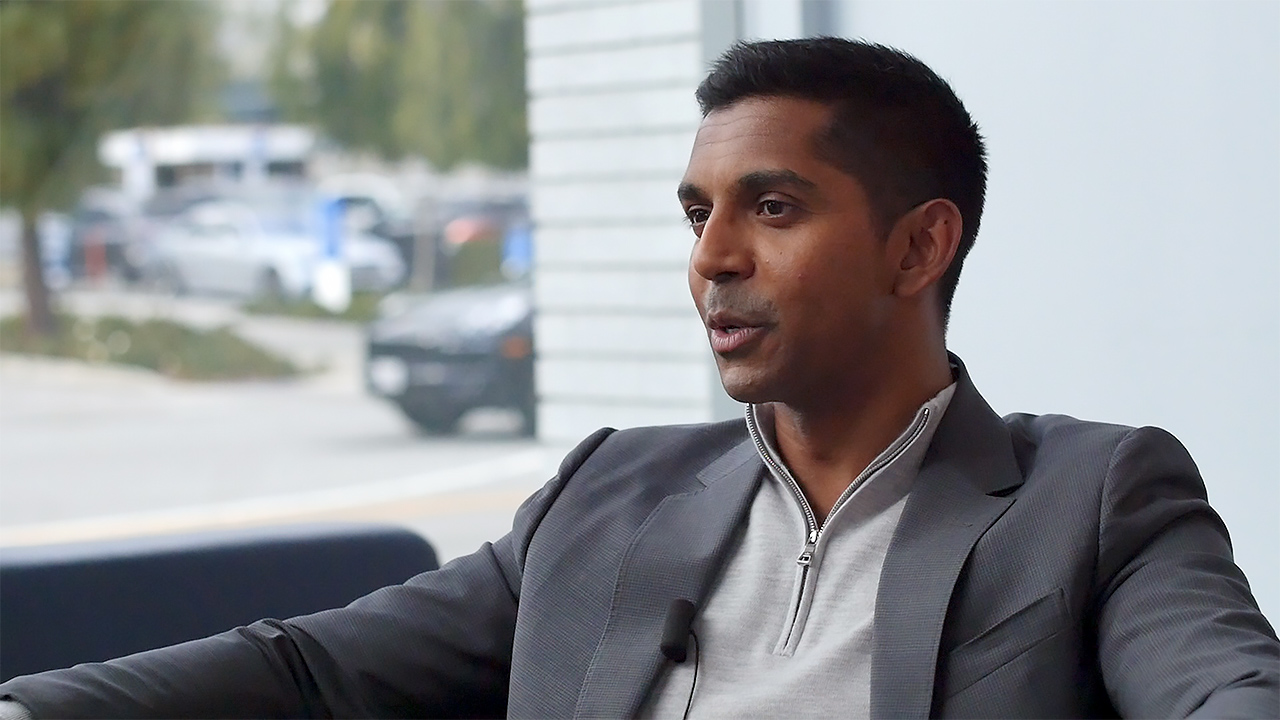
What happens when a physician returns to the institution where he trained, bringing years of additional clinical experience and a vision for expanding community care? In this original June 2024 interview, Timothy Wilson, MD, and Ramkishen Narayanan, MD, discuss their mentor-mentee relationship, fellowship training at Saint John’s Cancer Institute, and Dr. Narayanan’s return to Southern California to provide urologic care through Providence Saint Joseph Medical Center in Burbank and Providence Saint John’s Health Center in Santa Monica.
The conversation is more than an introduction to a returning physician. It explores how surgical training, translational research, and long-term professional relationships contribute to patient care. Their discussion also highlights an important goal: making specialized urologic services accessible to communities while maintaining personal connections between physicians and the patients they serve.
Dr. Timothy Wilson Welcomes Back a Former Urologic Oncology Fellow
Dr. Narayanan completed a two-year fellowship at Saint John’s Cancer Institute, where Dr. Wilson served as a mentor in urologic oncology and complex surgical care. His training combined advanced clinical experience with research focused on understanding urologic cancer biology.
The relationship between the two physicians is evident throughout the interview. Dr. Narayanan reflects on the influence of his mentor with a humorous reference:
“As Don Rickles would say, ‘you’re a Cadillac’.”
– Dr. Narayanan to Dr. Wilson
After completing his fellowship, Dr. Narayanan practiced urology in Western New York and served on the clinical faculty at the University at Buffalo. His return to Southern California in 2024 created an opportunity to reconnect with his former training institution while developing urology services for patients in Burbank and surrounding communities.
Dr. Wilson responds to his former fellow’s ambitions with encouragement and humor:
“All of us look for great things in the future from you. No pressure!”
– Dr. Wilson to Dr. Narayanan
The exchange illustrates how mentorship can continue beyond a formal training program, supporting professional collaboration, clinical development, and the education of future specialists.
How Fellowship Training Connects Surgery and Cancer Research
Dr. Narayanan’s fellowship involved two complementary areas of training. One year focused on surgical management of complex urologic diseases and cancers under Dr. Wilson’s mentorship. A second year involved translational research with Dave S.B. Hoon, PhD, whose work examines molecular and genetic characteristics of cancer.
That combination reflects the relationship between clinical practice and research at Saint John’s Cancer Institute. Surgical oncology requires an understanding of anatomy, procedural techniques, and clinical decision-making, while translational research investigates the biological mechanisms that may help improve diagnosis and treatment.
Learning to Manage Complex Urologic Conditions
Urologic oncologists may treat cancers involving the prostate, bladder, kidneys, testes, and other urinary or reproductive structures. Surgical planning can require careful attention to cancer control, preservation of kidney or urinary function, reconstruction, and the potential effects of treatment on quality of life.
Dr. Wilson’s experience with minimally invasive and robotic-assisted urologic oncology formed part of the environment in which Dr. Narayanan received his advanced clinical training. Fellowship education provides opportunities to manage challenging cases, learn surgical judgment, and understand how treatment decisions affect patients beyond the operating room.
Connecting Translational Research to Patient Care
Translational research seeks to move scientific discoveries toward clinical applications. In urologic oncology, this may involve investigating biomarkers, cancer genetics, mechanisms of treatment resistance, and other characteristics that help distinguish one patient’s disease from another.
Dr. Narayanan’s research training with Dr. Hoon provided exposure to this broader scientific approach. The experience complements his surgical work by reinforcing how laboratory findings and clinical evidence can contribute to individualized treatment decisions.
Learn more about Urology and Urologic Oncology and the Institute’s Cancer Research Programs.
Returning to Southern California to Expand Urologic Care
After approximately three years of practice in the Buffalo, New York, area, Dr. Narayanan returned to Southern California to develop urologic services associated with Providence Saint Joseph Medical Center in Burbank, while maintaining clinical ties to Providence Saint John’s Health Center in Santa Monica.
In their 2024 conversation, the physicians discuss how this relationship can connect local patient care with specialized services, including surgical and multidisciplinary resources when appropriate.
“It’s a good opportunity to become a really strong force in the LA area.”
– Dr. Narayanan
The conversation reflects Dr. Narayanan’s goals when he returned in 2024. His current physician profiles continue to list affiliations with both Providence Saint Joseph Medical Center and Providence Saint John’s Health Center, although individual services, referral arrangements, and appointment availability should always be confirmed through the current practice.
Dr. Narayanan’s Vision for Community Urologic Health in Burbank

One of the more substantive parts of the interview concerns Dr. Narayanan’s plans for the Center for Urologic Health associated with Providence Saint Joseph Medical Center.
His vision extends beyond cancer treatment or men’s health alone. Urologists care for both men and women, addressing conditions such as kidney stones, urinary incontinence, bladder disorders, urinary tract obstruction, prostate conditions, and cancers of the urinary system.
In discussing the development of his practice, Dr. Narayanan emphasizes the importance of connecting specialized services with the everyday health needs of surrounding communities.
Improving Access to Urologic Services
Dr. Narayanan describes a commitment to reaching people who may experience barriers to receiving specialized medical care. Those barriers can include cost, transportation, language differences, cultural expectations, difficulty navigating the healthcare system, or uncertainty about when specialist evaluation is needed.
His original vision included outreach to Black, Indigenous, and other communities of color, with an emphasis on reducing barriers that can delay medical evaluation and treatment.
Community-based services can help patients establish relationships with specialists closer to home, while referral relationships with hospitals and cancer programs may provide access to additional resources when needed.
Supporting Men and Women With Urologic Conditions
Although urology is frequently associated with prostate cancer and men’s health, the specialty also addresses urinary and kidney conditions affecting women.
Patients may seek urologic evaluation for recurrent urinary infections, kidney stones, incontinence, bladder conditions, or cancers of the kidneys and urinary tract. Care needs vary, and some patients benefit from collaboration among urology, gynecology, oncology, primary care, and other specialties.
Dr. Narayanan’s interview describes a practice intended to serve this broader range of patients rather than focusing exclusively on one disease or patient population.
Maintaining the Physician-Patient Relationship
Dr. Narayanan also addresses a concern familiar to many patients: feeling disconnected from the physicians and healthcare systems responsible for their care.
His comment in the original article expresses that concern directly:
“I don’t want patients to feel lost in a system,” Dr. Narayanan says.
For men who may delay discussing urinary symptoms, sexual health, or other sensitive concerns, establishing trust with a physician can be particularly important. Dr. Narayanan’s approach emphasizes conversations that acknowledge the individual rather than viewing patients solely through their diagnoses.
Dr. Wilson recognizes this commitment during their discussion:
“What strikes me is your passion for health care. The way you manage your patients and interact with them and treat them as family. I really see that here, every day.”
– Dr. Wilson
The exchange brings the conversation back to mentorship: clinical training shapes technical skills, but observing how experienced physicians communicate with patients can have a lasting influence on the kind of practice a younger physician hopes to build.
Watch Dr. Timothy Wilson Interview Dr. Ramkishen Narayanan
The complete interview captures the personal and professional relationship between the two physicians, including Dr. Narayanan’s fellowship experience, his years in Western New York, and the goals that accompanied his return to the Providence network in Southern California.
The video was originally recorded in 2024 and reflects the physicians’ roles and plans at that time.
Mentorship and the Future of Urologic Care With Drs. Wilson and Narayanan
Timothy Wilson, MD, and Ramkishen Narayanan, MD, discuss urologic oncology fellowship training, community medicine, and expanding access to urologic care in Burbank. Original interview, June 2024.
Connecting Community Practices With Specialized Urologic Oncology
Dr. Narayanan’s return illustrates the relationship between specialized medical training and community healthcare. A physician trained in complex cancer surgery and translational research can bring that experience to a practice caring for patients with both benign and malignant urologic conditions.
His current Providence physician profile identifies his clinical interests as including noncancerous and cancerous urologic diseases and lists affiliations with Providence Saint Joseph Medical Center and Providence Saint John’s Health Center.
For patients, the appropriate care pathway depends on the diagnosis, available services, and individual clinical needs. Community urology practices may manage common conditions locally, while complex cancers or procedures may involve additional specialists or hospital resources.
Patients interested in Dr. Narayanan’s services can consult his current Saint John’s Cancer Institute biography or Providence physician profile for practice and appointment information.
For broader information about urologic conditions and cancer care in Santa Monica, explore the Urology and Urologic Oncology Center of Excellence and its physician team.
Mentorship That Extends Beyond Fellowship Training
The conversation between Timothy Wilson, MD, and Ramkishen Narayanan, MD, illustrates how the influence of a medical mentor can extend beyond fellowship training and into an independent physician’s approach to patient care. Their discussion connects complex urologic surgery, cancer research, community access, and the importance of treating patients as individuals. Dr. Narayanan’s return to Southern California in 2024 brought those experiences together in his vision for providing specialized urologic care through the Providence network.
Learn more about Ramkishen Narayanan, MD, and Timothy Wilson, MD, or explore the Urology and Urologic Oncology Program at Saint John’s Cancer Institute. For current practice locations and appointments in Burbank, visit Dr. Narayanan’s Providence physician profile.
Sources & Further Reading
- Saint John’s Cancer Institute — Ramkishen Narayanan, MD
- Providence — Ramkishen Narayanan, MD: Clinical Profile and Practice Information
- Saint John’s Cancer Institute — Timothy G. Wilson, MD
- Saint John’s Cancer Institute — Urology and Urologic Oncology Team
- Saint John’s Cancer Institute — Urology and Urologic Oncology Center of Excellence
About the Media
Original physician interview and video production: Saint John’s Cancer Institute Marketing & Media Department, June 2024.