

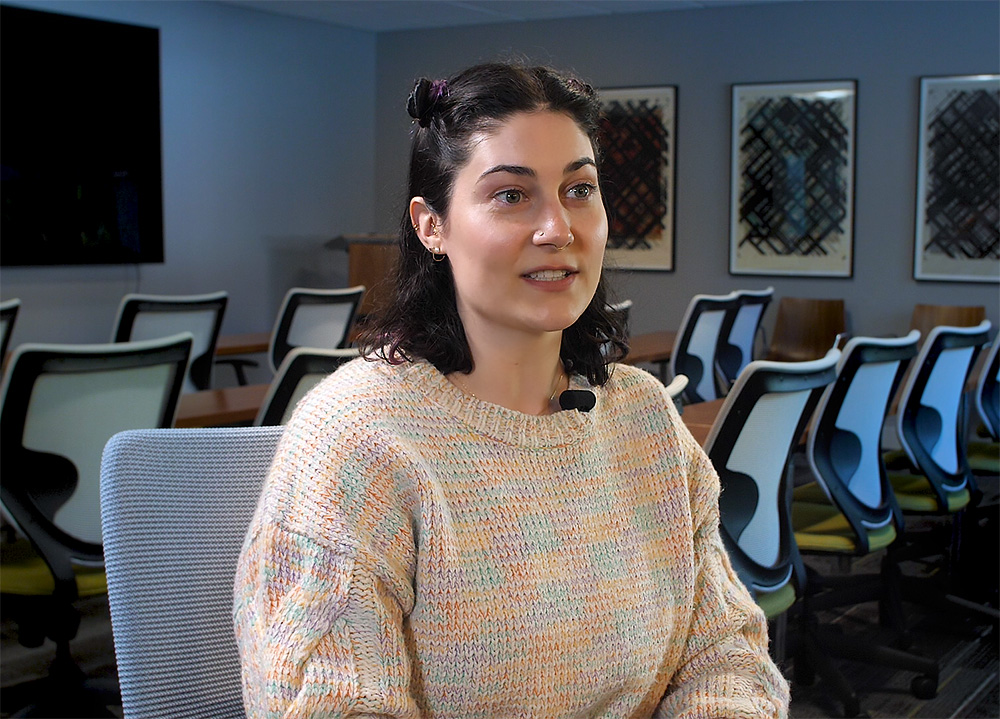
For breast surgical oncologists, fellowship training provides an opportunity to develop focused surgical experience, participate in multidisciplinary cancer care, and work alongside physicians and researchers from different specialties. For Nicketti Handy, MD, the Breast Surgical Oncology Fellowship at Saint John’s Cancer Institute also offered a way to bring together her interests in medicine, surgical technique, and the art of patient-centered care.
In a February 2024 interview, Dr. Handy discussed her experience as a breast surgical oncology fellow at the Margie Petersen Breast Center in Santa Monica, California. She described the importance of collaborative treatment planning, exposure to oncoplastic breast surgery, and the relationships she developed with faculty and other surgical fellows. Her reflections offer prospective applicants a firsthand perspective on the fellowship experience.
Finding Her Path to Breast Surgical Oncology
Dr. Handy discovered her interest in caring for patients with cancer during her general surgery residency at Virginia Mason Medical Center in Seattle. She was particularly drawn to breast surgical oncology because of the relationship between cancer treatment, surgical planning, and the opportunity to preserve or restore breast appearance.
Oncoplastic breast surgery combines principles of cancer surgery with techniques that address breast shape and appearance. As Dr. Handy explains in her interview, surgical decision-making has both technical and artistic dimensions, requiring careful consideration of each patient’s diagnosis, anatomy, and preferences.
How Dr. Handy Found the Saint John’s Fellowship
During residency, Dr. Handy met Janie Grumley, MD, Director of the Comprehensive Breast Program at the Margie Petersen Breast Center. Dr. Grumley discussed plans for the Breast Surgical Oncology Fellowship at Saint John’s, which was preparing to welcome applicants.
Dr. Handy was drawn to the opportunity to train with Dr. Grumley and participate in a program emphasizing breast-conserving techniques, multidisciplinary decision-making, and individualized treatment planning. She regarded the fellowship as a particularly good match for her professional goals.
It’s been everything I could ask for and more.
– Nicketti Handy, MD
Learning Oncoplastic Breast Surgery
The Breast Surgical Oncology Fellowship provides focused experience in the evaluation and treatment of breast cancer and benign breast disease. Dr. Handy’s training included exposure to oncoplastic breast surgery, a field that combines breast cancer removal with techniques intended to preserve or restore breast shape.
Crystal Fancher, MD, a breast surgical oncologist at the Margie Petersen Breast Center, is among the faculty members involved in teaching oncoplastic techniques. Depending on the patient’s condition and surgical plan, these procedures may include tissue rearrangement, breast reduction, or other methods to address breast contour and symmetry.
For selected patients, oncoplastic techniques can allow breast cancer surgery and breast reshaping to be performed during the same operation. However, the appropriate surgical approach and the need for additional procedures vary according to the extent and location of disease, breast anatomy, treatment requirements, and patient preferences.
This combination of cancer surgery and reconstructive planning reflects an important part of Dr. Handy’s interest in the specialty.
Learn more about Breast Cancer Surgical Treatments.
Collaboration Across the Fellowship Programs at Saint John’s
One of the experiences Dr. Handy emphasized during her fellowship was the opportunity to learn alongside physicians training in different areas of surgical oncology.
Saint John’s Cancer Institute offers fellowship and advanced training opportunities in breast surgical oncology, complex general surgical oncology, urologic oncology, neurosurgical oncology, and translational molecular medicine. These programs create opportunities for fellows to share research, discuss clinical cases, and learn from faculty and colleagues working across cancer specialties.
A Shared Learning Environment
It’s a really collaborative atmosphere, so even though I’m the only breast fellow, I certainly don’t feel like I’m the only fellow here at Saint John’s.
– Nicketti Handy, MD
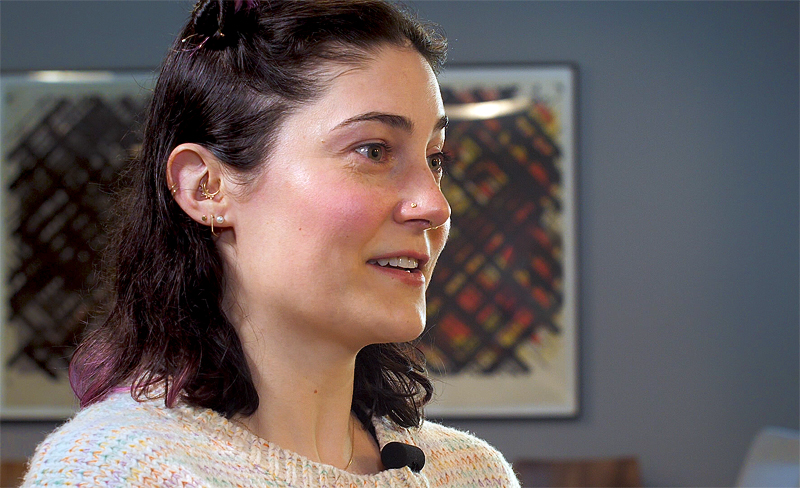
Dr. Handy described regular educational sessions during which fellows discussed clinical cases, academic topics, and ongoing research. Friday morning didactics provided dedicated time for learning, while the broader training environment encouraged fellows to collaborate on research projects and share resources.
For Dr. Handy, these interactions made the fellowship feel connected to the Institute’s other training programs rather than isolated within breast surgery. Working with colleagues from different specialties helped her develop professional relationships and a broader understanding of cancer care.
Clinical Research and Academic Development
Research is another component of the fellowship experience. Depending on the project and training schedule, fellows may participate in clinical research, multidisciplinary case discussions, academic presentations, or other scholarly activities.
At Saint John’s, fellows work within a clinical and research environment that brings together surgical care, medical oncology, radiation oncology, pathology, and translational research. These interactions can help trainees understand how new evidence is evaluated and incorporated into patient care.
Learn more about the Institute’s Fellowship Programs and Surgical Training.
Dr. Nicketti Handy Shares Her Fellowship Experience
In this interview, recorded during her fellowship, Dr. Handy describes the educational structure of the program, her daily responsibilities, interactions with faculty, research opportunities, and the professional experience of training in Santa Monica.
Watch Dr. Handy’s Breast Surgical Oncology Fellowship Interview
Nicketti Handy, MD, discusses her Breast Surgical Oncology Fellowship experience at Saint John’s Cancer Institute in Santa Monica, California. Interview published February 2024.
Topics Covered in the Video
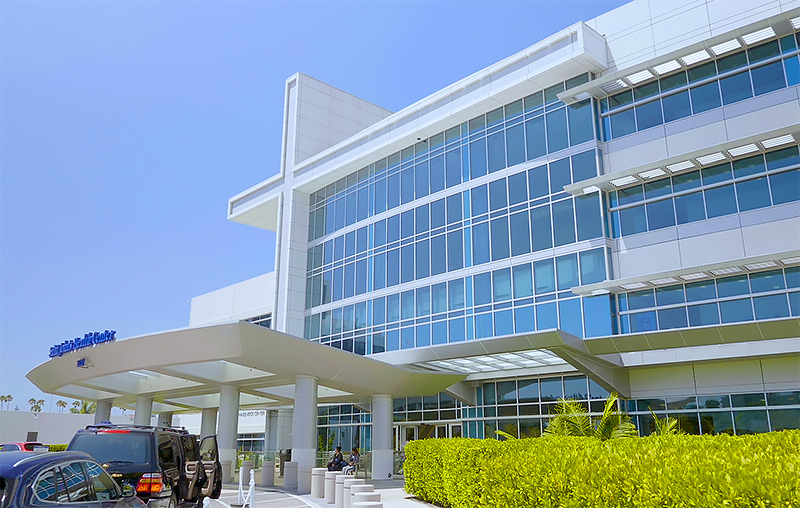
- Meet Dr. Nicketti Handy and learn about her background
- Fellowship schedules and clinical rotations
- Participation in the multidisciplinary breast clinic
- Clinical research at Saint John’s Cancer Institute
- The breast surgical oncology fellow’s role in tumor boards
- Working with physicians from other specialties
- Preparing for independent clinical practice
- How Dr. Handy learned about the fellowship
- Her plans following fellowship training
The interview provides a firsthand perspective on the program’s educational environment as it existed during Dr. Handy’s 2023–2024 fellowship year. Prospective applicants should consult the current fellowship program page for updated rotations, application requirements, and faculty information.
Tumor Boards: Learning Through Multidisciplinary Breast Cancer Care
A tumor board is a meeting where physicians and other healthcare professionals review cancer cases and discuss diagnostic findings and treatment considerations. Breast tumor boards may bring together surgeons, radiologists, pathologists, medical oncologists, radiation oncologists, and other specialists involved in patient care.
Dr. Handy describes the breast fellow’s active role in helping prepare and present cases for multidisciplinary discussion. This can involve reviewing medical records, imaging findings, pathology information, and the clinical questions that need input from other specialties.
The Fellow’s Role in Case Preparation and Discussion
Preparing for a tumor board gives a fellow the opportunity to study each patient’s diagnosis in detail and understand how different medical specialties contribute to treatment recommendations.
Cases may involve questions about surgical treatment, whether systemic therapy should be considered before surgery, the significance of pathology findings, or how imaging influences the treatment plan. The specific responsibilities of a fellow depend on the program’s educational structure and faculty supervision.
This multidisciplinary process helps trainees develop the knowledge and communication skills necessary to discuss treatment options with patients.
“It’s a special place where you know each other,” says Dr. Handy. “I’m able to go just down the hall and tap their shoulder and say, hey do you mind taking a look at this patient?”
– Nicketti Handy, MD
She also emphasized the value of a close working environment for both patient care and education:
Working Directly With Pathologists and Other Specialists
I know our pathologists!
– Nicketti Handy, MD
One of the distinctive aspects of Dr. Handy’s experience was the accessibility of colleagues from other specialties. She described being able to approach a pathologist or another member of the care team directly when additional clinical input was needed.
As Dr. Handy explained:
“We just work really well with being able to accommodate requests from one another and having a really collaborative, close-knit environment. And so again, it ends up being good for patient care but also good from a learner’s perspective,” says Handy.
– Nicketti Handy, MD
These interactions reflect how multidisciplinary collaboration can contribute to a fellow’s development. They also illustrate why the ability to work effectively with colleagues is an important part of training in breast surgical oncology.
Living and Training in Santa Monica, California
In addition to discussing the clinical fellowship, Dr. Handy shared her enjoyment of living in Southern California. Santa Monica provided opportunities to explore the Los Angeles area, spend time outdoors, and connect with a community outside of medicine.
Life Beyond the Operating Room

Dr. Handy described the appeal of Santa Monica’s coastal environment, sunny weather, and opportunities for recreation. Roller skating became a particularly enjoyable part of her time in Los Angeles.
“It’s beautiful and sunny most days, and I love roller skating, so I have joined a roller-skating gang, The LA Skate Honeys.”
She also welcomed visits from family and friends during her fellowship year.
“I’ve actually had a lot of visitors while I’ve been here and that’s been a really fun adventure as well,” explained Dr. Handy.
These personal experiences formed part of her fellowship year, alongside the responsibilities of surgical training and academic development.
From Breast Surgical Oncology Fellow to Breast Surgeon and Faculty Member
Dr. Handy completed the Breast Surgical Oncology Fellowship at Saint John’s Cancer Institute in 2024. Following graduation, she joined the faculty as an Assistant Professor of Surgery and expanded her clinical work within the Providence healthcare system.
Bringing Specialized Breast Cancer Care to Burbank
Today, Dr. Handy leads the comprehensive breast care program at the Roy and Patricia Disney Family Cancer Center at Providence Saint Joseph Medical Center in Burbank, California. As the program’s founding full-time breast surgeon, she brings the advanced training she received at Saint John’s Cancer Institute to patients throughout Burbank and the surrounding San Fernando Valley communities.
Her work extends access to specialized breast surgical oncology, including oncoplastic surgical techniques, coordinated diagnostic evaluation, and multidisciplinary treatment planning. Through continued collaboration with the Margie Petersen Breast Center in Santa Monica, Dr. Handy helps connect patients with clinical expertise and resources across both Providence cancer centers, including opportunities for research and clinical trials when appropriate.
Dr. Handy also operates at Providence Saint John’s Health Center in Santa Monica, maintaining the clinical and academic relationships established during her fellowship. Her transition from fellow to program leader illustrates how advanced surgical training can extend its impact beyond the institution where that training began.
Learn more about Nicketti Handy, MD, her current clinical practice, and her approach to comprehensive breast care.
Explore the Breast Surgical Oncology Fellowship at Saint John’s
Dr. Handy’s fellowship experience illustrates the role of focused surgical training, mentorship, research, and multidisciplinary collaboration in preparing physicians for breast surgical oncology practice. Her journey from fellow to practicing breast surgeon and faculty member reflects the continuing connections formed through the training program.
Prospective fellows can explore the Breast Surgical Oncology Fellowship at Saint John’s Cancer Institute for current program information, faculty, clinical rotations, research opportunities, and application details. The program page also features an overview by Janie Grumley, MD, FACS, and a virtual tour narrated by Crystal Fancher, MD, FACS.
Sources & Further Reading
- Saint John’s Cancer Institute — Breast Surgical Oncology Fellowship
- Saint John’s Cancer Institute — Fellowship Programs
- Nicketti Handy, MD — Physician Profile
- Saint John’s Cancer Institute — Recent Alumni and Current Employers
- Saint John’s Cancer Institute — Breast Cancer Surgical Treatments
- Society of Surgical Oncology — Breast Surgical Oncology Fellowship