

Tanner Deason Returns: Life After a Stage IV Melanoma Diagnosis
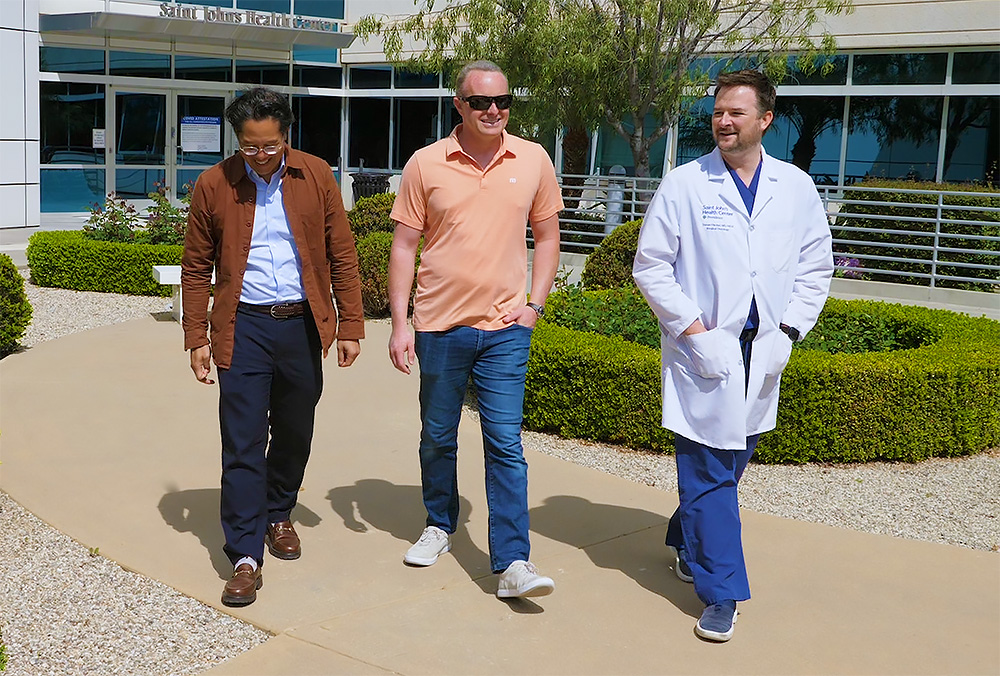
Four years after an unexpected diagnosis of stage IV melanoma with brain metastasis, Tanner Deason returned to Saint John’s Cancer Institute to discuss his treatment, recovery, family life, and the challenges of living with advanced cancer. In this April 2024 follow-up interview, Tanner joins surgical oncologist Trevan Fischer, MD, and medical oncologist Timothy Kristedja, MD, to reflect on his response to immunotherapy and targeted treatment, the importance of coordinated care, and what he has learned since his original melanoma diagnosis in September 2020.
Tanner’s journey began at age 31, when an off-road UTV accident in the desert led to medical examinations that revealed an unsuspected brain tumor. Additional evaluation identified melanoma that had spread to his brain. His subsequent care involved emergency brain surgery, radiation, immunotherapy, additional operations, and molecularly targeted treatment.
His original July 2022 testimonial documented the discovery of the cancer and his early treatment experience. This second interview captures a later chapter, including his perspective on treatment decisions, relationships with his physicians, and maintaining everyday activities with his family.
Start with Tanner’s first interview: A Chance Discovery of Stage IV Melanoma With Brain Metastasis — July 2022.
From Emergency Brain Surgery to Ongoing Melanoma Treatment
After his diagnosis in September 2020, Tanner underwent emergency neurosurgery to address a melanoma metastasis in his brain. His treatment also included radiation and systemic immunotherapy, followed by additional procedures and treatment decisions as his physicians monitored the disease.
In the original 2022 interview, Tanner described receiving combination immunotherapy with nivolumab (Opdivo) and ipilimumab (Yervoy). He also discussed plans for a targeted treatment approach after testing identified a BRAF mutation relevant to melanoma therapy.
By April 2024, Tanner had experienced nearly four years of medical care following his diagnosis. He returned for a conversation with Drs. Fischer and Kristedja about his response to subsequent treatment, the impact of medication on daily life, and how clinical decisions were being made as his circumstances changed.
The follow-up illustrates the difference between an initial cancer diagnosis and the ongoing process of evaluating treatment response, discussing risks, and determining the next appropriate step.
Understanding Adjuvant Therapy and Targeted Treatment in Melanoma
The term adjuvant therapy refers to treatment administered after primary treatment, frequently surgery, to reduce the risk that cancer will return. In melanoma, certain immunotherapies and targeted therapies may be used in appropriately selected patients after complete removal of the disease.
Systemic therapy may also be used to treat active, measurable metastatic melanoma. Although the same or related medications can sometimes be used in different settings, the clinical purpose of treatment is not always the same.
For patients like Tanner, who have experienced both distant metastatic disease and subsequent operations, the distinction matters. A patient’s treatment plan may change according to imaging findings, pathology, molecular results, prior treatment, and the risk of further recurrence.
How BRAF-Targeted Therapy Works
The BRAF gene helps regulate cell growth through a signaling pathway involving several proteins. Certain acquired mutations in BRAF, particularly BRAF V600 variants, can contribute to melanoma development by causing abnormal activity in this pathway.
Molecular testing can identify melanomas with mutations that may respond to targeted medications. For selected patients with unresectable or metastatic BRAF V600-mutant melanoma, treatment options include combinations of BRAF and MEK inhibitors.
Unlike immunotherapy, which modifies immune responses against cancer, targeted therapy interferes with particular molecular processes involved in tumor growth. These medicines may affect normal cells as well as cancer cells and can cause significant side effects. They are not guaranteed to eliminate disease or prevent recurrence.
A BRAF mutation provides information about possible treatment options, but it does not mean that every melanoma carrying that mutation will follow the same course or behave more aggressively than other melanomas.
Why Treatment May Be Changed or Discontinued
Oncology teams may modify treatment when imaging shows a response, a planned course is completed, side effects become difficult to manage, or the risks and benefits of continued medication change.
In some circumstances, patients may stop treatment and continue with clinical examinations or imaging surveillance. In others, additional systemic treatment, surgery, radiation, or participation in a clinical trial may be considered.
A decision to discontinue therapy does not automatically mean that a cancer can never recur. It reflects a clinical assessment at a particular point in the patient’s care.
For more about available approaches, explore Melanoma Treatments at Saint John’s Cancer Institute.
Tanner’s April 2024 Follow-Up With His Care Team

In the follow-up conversation, Tanner meets with Timothy Kristedja, MD, medical oncologist, and Trevan Fischer, MD, surgical oncologist, to discuss how his treatment has progressed since the earlier interview. The physicians provide context for the decisions made during his care, including systemic treatment and ongoing assessment of his response.
The discussion also reflects how cancer care extends beyond medication and procedures. Tanner describes the importance of familiar relationships with his physicians and the impact of treatment on work, family activities, and his everyday routine.
His experience is personal, and other patients may respond differently to the same treatments or require different approaches according to their diagnoses.
Watch Tanner Deason and His Physicians Discuss Ongoing Melanoma Care
Tanner Deason joins Trevan Fischer, MD, and Timothy Kristedja, MD, to discuss his metastatic melanoma treatment and personal experience at Providence Saint John’s Health Center in Santa Monica, California. Original interview: April 2024.
Could Earlier Detection Have Changed Tanner’s Diagnosis?
Tanner’s melanoma was discovered after an accident prompted medical examinations, rather than through recognition of the original suspicious skin lesion. In the video, he reflects on whether identifying and treating the skin cancer years earlier might have changed the course of his disease.
He asks Dr. Kristedja:
“If that would have been properly, let’s say, diagnosed and removed 10 years ago when I first had it, would that have been the end of it?”
Dr. Kristedja responds:
“We don’t know. I think the the great likelihood is that that would have been it.”
The exchange reflects the uncertainty involved in looking back at an individual cancer diagnosis. Melanoma that is detected and treated before it spreads generally has more favorable outcomes than melanoma diagnosed after distant metastasis. However, it is not possible to establish exactly what would have happened to Tanner had the original lesion been removed at a different time.
His experience is an important reminder that a changing mole or unusual skin growth deserves professional evaluation, even when it does not cause pain or other noticeable symptoms.
Who May Be at Increased Risk for Melanoma?
Melanoma risk is influenced by factors including ultraviolet exposure, a history of blistering sunburns, indoor tanning, fair skin, numerous or atypical moles, personal or family history, and certain inherited genetic conditions.
People with lighter skin, freckles, light-colored eyes, or red or blond hair may be particularly susceptible to UV-related skin damage. However, melanoma can develop in people of every skin tone and may occur on areas of the body that receive little direct sunlight.
Although tumors may acquire genetic mutations such as BRAF changes, these are not the same as inherited traits that predispose someone to cancer. Most BRAF mutations identified in melanoma are acquired within tumor cells, while a smaller proportion of melanoma cases are associated with inherited susceptibility.
When Should a Skin Lesion Be Evaluated?
New or changing moles, irregular pigmentation, a spot that looks different from other moles, persistent sores, or lesions that bleed without an obvious injury should be evaluated by a qualified healthcare professional.
Recommendations for routine professional skin examinations vary according to personal risk. There is insufficient evidence to recommend for or against universal visual skin screening in asymptomatic adolescents and adults, but this does not apply to people with suspicious lesions or certain personal and family histories of skin cancer.
For a practical guide, read How to Spot Skin Cancer or learn more about the Pigmented Skin Lesion Clinic at Providence Saint John’s Health Center.
Living With Cancer: Tanner’s Perspective on Resilience
One of the central themes of the 2024 interview is Tanner’s approach to living alongside cancer treatment. He describes continuing to participate in family activities and maintaining a sense of routine, even as he faces uncertainty about the disease and its management.
When discussing his ability to continue moving forward, Tanner responds:
“What other alternative is there?”
– Tanner Deason, April 2024 interview
The original account describes Tanner returning to work and participating in family activities, including a visit to Disneyland and a family barbecue, within days of his initial brain surgery. These details illustrate his personal approach to recovery, but they are not representative of the recovery time or activity restrictions appropriate for other patients undergoing neurosurgery.
Recovery from cancer treatment differs substantially among individuals. Some patients are able to maintain many everyday activities, while others require extended periods of rehabilitation, symptom management, or assistance.
Tanner’s resilience is part of his personal story, but a positive attitude does not determine whether a cancer responds to treatment. His medical results reflect a complex combination of disease biology, treatment, clinical decisions, and individual circumstances.
April 25, 2024: An Important Update From Tanner
Following the recorded interview, Tanner shared an additional update with Saint John’s Cancer Institute by email on April 25, 2024.
As of April 25, 2024, Tanner reported that his PET scan was negative and that he was no longer taking adjuvant medications. He also indicated that he would continue following up with his medical team to monitor his condition after treatment.
This was an encouraging milestone in Tanner’s documented journey. A negative PET scan means that the examination did not identify suspicious metabolic activity meeting the scan’s detection criteria at that time. It does not, by itself, establish a permanent cure or eliminate the need for recommended surveillance.
This update reflects Tanner’s reported condition on April 25, 2024. It should not be interpreted as confirmation of his current disease status or medication use.
The Importance of Multidisciplinary Care for Metastatic Melanoma
Tanner’s treatment involved several specialties over time, including neurosurgery, surgical oncology, medical oncology, and radiation treatment. Coordinating these services can be particularly important when melanoma affects the brain or other distant sites and treatment needs change.
The original interviews identify Drs. Fischer and Kristedja as physicians involved in his melanoma management, along with neurosurgeon Garni Barkhoudarian, MD, and nurse practitioner Christine Boley.
For Tanner, relationships with the people providing care were a recurring part of his experience. His first interview emphasized trust and communication, while the 2024 discussion offered an opportunity to reflect on the medical decisions and support that followed.
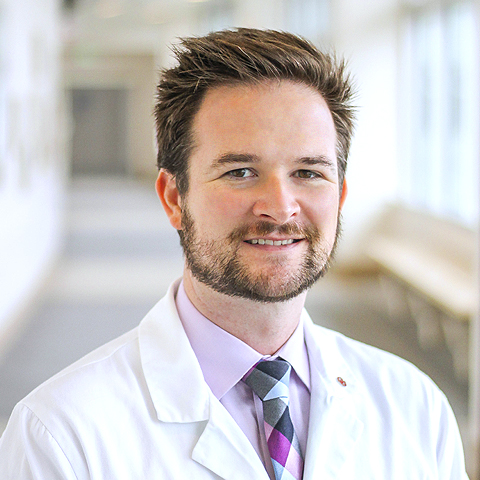
The four healthcare professionals below were featured in Tanner’s original testimonial series. Their photographs and roles document his care history rather than serving as a current provider directory.
Tanner’s Original Care Team
|
Trevan Fischer, MD Surgical Oncology |
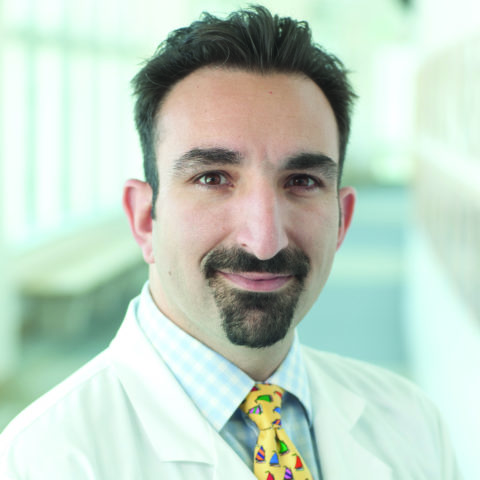
Garni Barkhoudarian, MD Neurosurgery |

Timothy Kristedja, MD Medical Oncology |
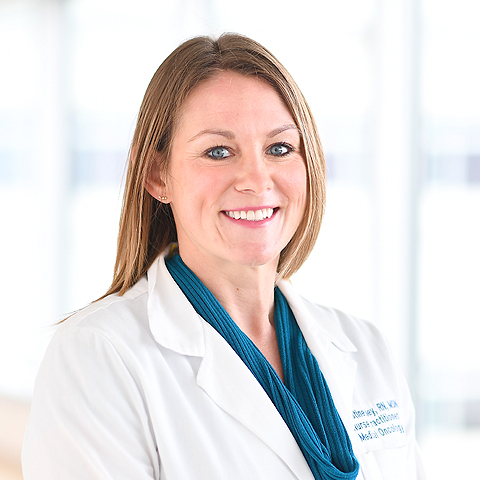
Christine Boley, NP Nurse Practitioner |
Two Interviews, One Continuing Patient Journey
Tanner’s testimonial series provides two perspectives on a diagnosis that changed his life. The July 2022 interview recounts the UTV accident, discovery of the brain metastasis, emergency surgery, and early treatment. The April 2024 follow-up explores his subsequent experience with targeted therapy, follow-up care, family life, and the emotional challenges of living with advanced melanoma.
Together, the interviews illustrate how treatment decisions and patient needs can change over time. They also document the importance Tanner placed on asking questions and maintaining communication with the people involved in his care.
Watch the first chapter: A Chance Discovery of Stage IV Melanoma With Brain Metastasis — Tanner Deason’s 2022 Testimonial.
Continuing Care, Follow-Up, and the Patient Experience
Tanner Deason’s April 2024 follow-up documents the next chapter of his experience with metastatic melanoma after emergency brain surgery, immunotherapy, additional operations, and targeted treatment. His discussion with Drs. Trevan Fischer and Timothy Kristedja reflects the importance of individualized medical decisions, ongoing assessment, family support, and trust in a multidisciplinary care team. His April 25, 2024 report of a negative PET scan and discontinuation of adjuvant medication marked a meaningful milestone in the story as documented at that time.
Watch Tanner’s Original 2022 Testimonial, learn more about Melanoma Diagnosis and Treatment, or explore the Borstein Family Foundation Melanoma Program and Active Clinical Trials at Saint John’s Cancer Institute.
Sources & Further Reading
- Saint John’s Cancer Institute — Tanner Deason’s Initial Melanoma Testimonial (2022)
- National Cancer Institute — Melanoma Treatment
- National Cancer Institute — BRAF-Targeted Therapy and Advanced Melanoma
- U.S. Preventive Services Task Force — Skin Cancer Screening Recommendation (2023)
- Saint John’s Cancer Institute — How to Spot Skin Cancer
- Saint John’s Cancer Institute — Pigmented Skin Lesion Clinic
- Saint John’s Cancer Institute — Borstein Family Foundation Melanoma Program