

Gastrointestinal and Hepatobiliary Cancer Treatments
Gastrointestinal and hepatobiliary conditions may require a combination of treatments depending on the diagnosis, disease stage, and patient’s overall health. Care can involve surgery, medications, endoscopic procedures, radiation therapy, immunotherapy, targeted treatments, or specialized techniques that address tumors within particular organs. Some treatments are intended to remove or control cancer, while others help restore digestive function, relieve symptoms, or support recovery.
At Saint John’s Cancer Institute, multidisciplinary treatment planning considers the clinical findings, available therapies, and each patient’s individual needs. Explore the treatment areas below to understand how different approaches may be used and what factors influence treatment decisions.
Benign Esophageal Disease Treatment
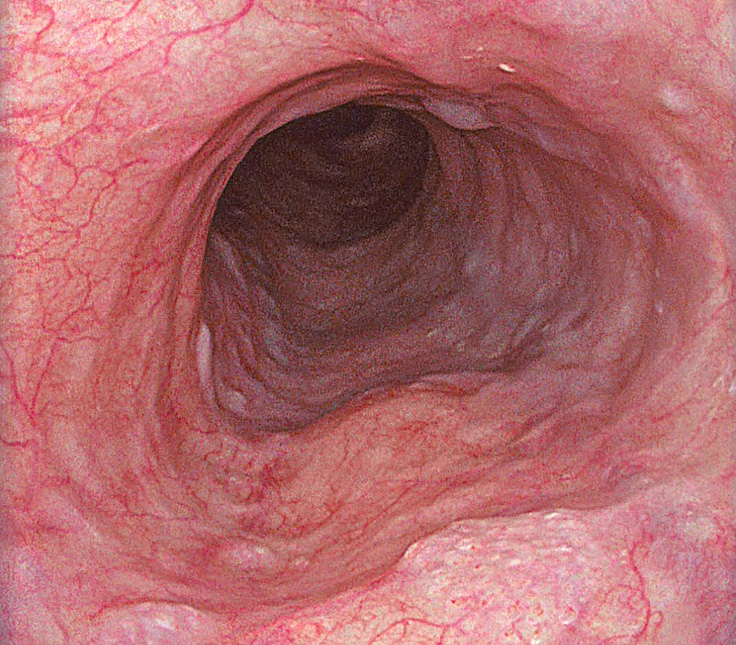
Benign esophageal conditions can affect swallowing, digestion, and the movement of food from the esophagus into the stomach. Treatment may begin with dietary or lifestyle adjustments and medications to reduce reflux or inflammation, while conditions such as strictures and achalasia may require endoscopic dilation or specialized procedures to improve swallowing. Selected patients benefit from minimally invasive surgery to address reflux, hiatal hernias, or other structural and functional disorders. Barrett’s esophagus may require ongoing surveillance or endoscopic treatment when precancerous changes are identified. The appropriate approach depends on the specific disorder, diagnostic findings, and severity of symptoms.
Learn more about Benign Esophageal Disease Treatment.
Colorectal Cancer Treatment
Treatment of colon and rectal cancer depends on the tumor’s location, stage, and molecular characteristics. Surgery is an important treatment for many localized cancers, including procedures that remove the affected portion of the colon or rectum while preserving bowel function whenever possible. Chemotherapy may be recommended before or after surgery, while radiation therapy plays a particularly important role in selected rectal cancers. Some patients benefit from immunotherapy or targeted medications based on tumor biomarkers, and selected patients with metastatic disease may receive treatment directed at tumors in the liver or lungs. Coordinated planning helps determine which therapies should be used and in what sequence.
Learn more about Colorectal Cancer Treatment.
Esophageal Cancer Treatment
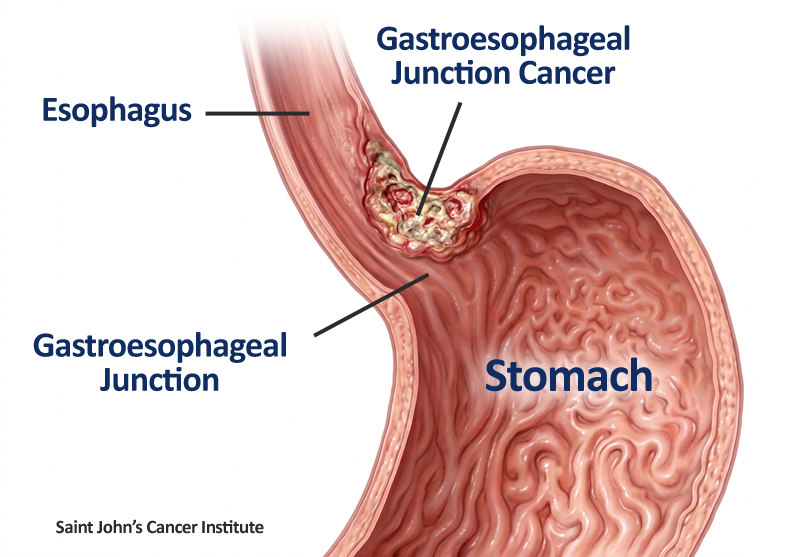
Esophageal cancer treatment may involve endoscopic procedures, surgery, chemotherapy, radiation therapy, immunotherapy, or targeted medications. Selected early cancers can be removed endoscopically, while more advanced localized tumors often require combinations of treatments to address cancer within the esophagus and nearby lymph nodes. Esophagectomy removes the affected portion of the esophagus and reconstructs the digestive tract, with minimally invasive and robot-assisted techniques available for appropriately selected patients. Nutrition and swallowing support are important because the disease and its treatment can affect a patient’s ability to eat comfortably. The recommended approach also depends on whether the cancer is adenocarcinoma or squamous cell carcinoma.
Learn more about Esophageal Cancer Treatment.
Liver Cancer Treatment
Liver cancer treatment depends on whether a tumor originates in the liver or has spread from another organ, as well as the number and location of tumors and the amount of functioning liver tissue. Selected patients may benefit from liver resection, transplantation, or minimally invasive local treatments that destroy targeted tumor tissue while preserving surrounding liver structures. These include thermal ablation, focused ultrasound histotripsy, radiation therapy, and liver-directed arterial procedures such as embolization. Immunotherapy, targeted medications, or chemotherapy may also be recommended according to the cancer type and stage. Evaluating liver function alongside tumor characteristics is essential when determining treatment options.
Learn more about Liver Cancer Treatment, including Focused Ultrasound Histotripsy for selected liver tumors.
Pancreatic Cancer Treatment
Pancreatic cancer treatment depends on the tumor’s location, extent, relationship to nearby blood vessels, and whether surgery is possible. Operations such as the Whipple procedure, distal pancreatectomy, and total pancreatectomy may be considered for selected patients with localized disease. Chemotherapy is commonly used before or after surgery and is a principal treatment for advanced disease, while radiation therapy may have a role in particular circumstances. Genetic and molecular testing can help identify additional treatment options for some patients. Nutrition, pain management, digestive support, and quality-of-life considerations remain important throughout care.
Learn more about Pancreatic Cancer Treatment.
Stomach Cancer Treatment
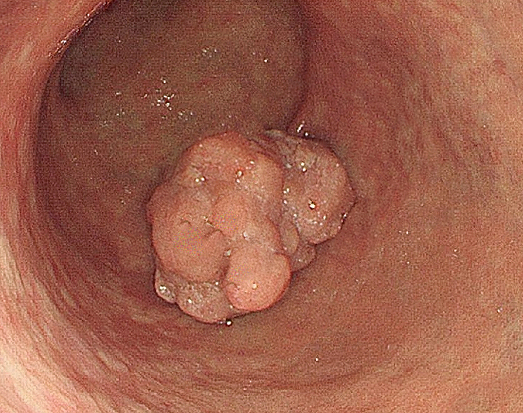
Stomach cancer treatment depends on the extent of disease, tumor location, and biological characteristics of the cancer. Selected early cancers may be treated endoscopically, while others require partial or total gastrectomy, often combined with chemotherapy before and after surgery. Immunotherapy and targeted medications may be appropriate for selected patients, particularly when molecular testing identifies specific biomarkers. Radiation therapy and procedures to relieve obstruction or bleeding may also be considered, while specialized intraperitoneal treatments such as HIPEC remain under investigation for selected patients with peritoneal metastases. Nutritional monitoring and adjustments to eating habits are especially important after stomach surgery.
Learn more about Stomach Cancer Treatment. For tumors involving the junction between the stomach and esophagus, see Esophageal Cancer Treatment.
At Saint John’s Cancer Institute, gastrointestinal and hepatobiliary treatment planning brings together surgical, medical, and radiation oncology specialists with other clinical disciplines to support coordinated, individualized care.
Understanding the available approaches and how they relate to your diagnosis can help you and your family make informed decisions about treatment, recovery, and ongoing care.
For additional information, please call 310-449-5206 or request an appointment.
