How We Treat Benign Esophageal Disease
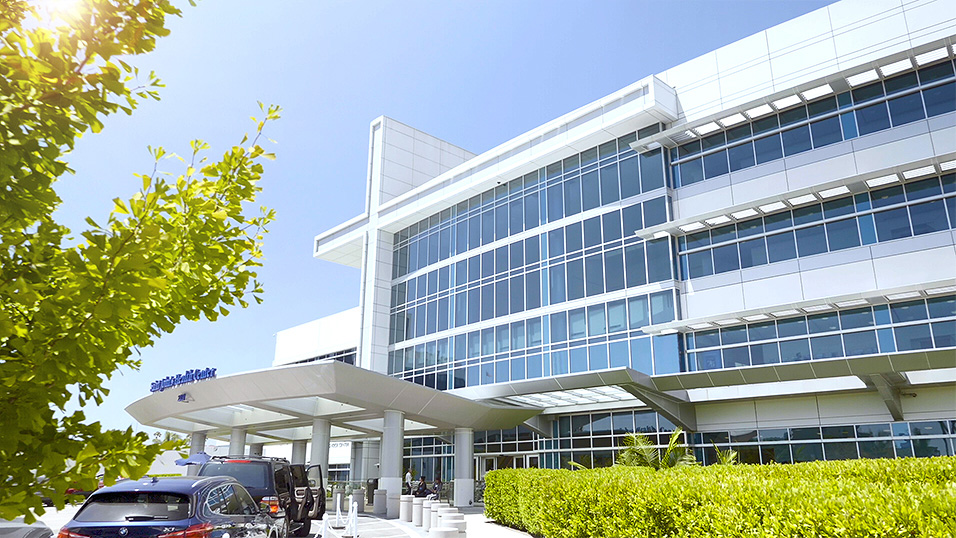
Benign esophageal diseases include conditions that affect swallowing, allow stomach contents to reflux into the esophagus, or cause inflammation and narrowing of the esophageal lining. Treatment may involve lifestyle adjustments, medications, endoscopic procedures, surgery, or ongoing monitoring, depending on the diagnosis. At Saint John’s Health Center, individualized evaluation helps determine which approaches may relieve symptoms, restore swallowing function, and reduce the risk of complications, supported by the clinical expertise and research activities of Saint John’s Cancer Institute.
Care for complex esophageal conditions may require collaboration among gastroenterologists, gastrointestinal surgeons, diagnostic imaging specialists, pathologists, and nutrition professionals. Patients with Barrett’s esophagus and precancerous changes may also benefit from specialists experienced in endoscopic treatment and surveillance. Not every patient requires surgery, and the appropriate treatment plan depends on the specific disorder and results of diagnostic testing.
Working to Alleviate Symptoms
Benign esophageal conditions include gastroesophageal reflux disease (GERD), hiatal hernias, achalasia and other motility disorders, esophageal strictures, diverticula, eosinophilic esophagitis, and Barrett’s esophagus. Symptoms can include heartburn, regurgitation, chest discomfort, difficulty swallowing, or a sensation that food is becoming stuck. Because these symptoms can arise from different causes, treatment begins with identifying the underlying condition rather than assuming that all swallowing or reflux problems respond to the same medications.
Evaluation may involve upper endoscopy with biopsy, a barium swallow examination, esophageal manometry to measure muscle function, or reflux monitoring to determine whether acid exposure is contributing to symptoms. The results help distinguish conditions caused by inflammation or reflux from disorders involving the muscles and movement of the esophagus.
Diet and Lifestyle Changes
For patients with GERD or reflux-related symptoms, practical changes in eating habits and sleeping position may reduce discomfort. These recommendations are not equally effective for every esophageal condition; for example, achalasia usually requires a treatment directed at the lower esophageal sphincter rather than dietary changes alone. Patients with difficulty swallowing may also benefit from individualized nutritional guidance to maintain adequate food and fluid intake.
Depending on symptoms and the diagnosis, useful adjustments may include:
- Avoiding meals close to bedtime. Waiting approximately two to three hours after eating before lying down may reduce nighttime reflux.
- Elevating the head of the bed. A wedge pillow or raising the head of the bed may help patients with nighttime reflux. Additional ordinary pillows alone may not provide the same benefit.
- Identifying personal food triggers. Some people experience increased reflux after specific foods or beverages, including acidic, high-fat, or caffeinated items. Avoiding foods that do not trigger symptoms is not routinely necessary.
- Eating smaller meals. Smaller portions may reduce post-meal discomfort or reflux in selected patients.
- Managing excess body weight. Weight loss, when appropriate, can reduce abdominal pressure and improve reflux symptoms.
- Avoiding tobacco use. Smoking can worsen reflux-related symptoms and contributes to other digestive and cardiovascular health risks.
- Adjusting food texture when needed. Patients with swallowing difficulties may temporarily require softer foods or other dietary modifications while the underlying problem is evaluated and treated.
Medications for Reflux and Inflammation
Proton pump inhibitors (PPIs) are commonly used to reduce stomach acid and treat GERD-related inflammation of the esophagus. Histamine-2 receptor antagonists (H2 blockers) and antacids may be appropriate for selected patients with milder or intermittent symptoms. Medication selection depends on symptom severity, evidence of esophageal injury, other medical conditions, and treatment response. Patients with significant esophagitis or Barrett’s esophagus may require a longer-term acid suppression strategy.
Eosinophilic esophagitis is an immune-mediated inflammatory condition that can cause swallowing difficulties, food impaction, and narrowing of the esophagus. Treatment may include PPIs, swallowed topical corticosteroids, or a carefully supervised food-elimination diet. Biologic therapy, such as dupilumab, may be considered in appropriately selected patients. Because symptoms alone do not always reflect the degree of inflammation, follow-up endoscopy and biopsy may be needed to assess treatment response.
Endoscopic and Surgical Interventions
Endoscopic and surgical procedures may be recommended when an esophageal condition causes persistent symptoms, interferes with swallowing, or creates complications that cannot be adequately addressed with medication alone. Some procedures widen narrowed areas of the esophagus, while others improve muscle function, control reflux, or remove abnormal tissue. The choice depends on the diagnosis, the patient’s overall health, and the expected benefits and risks of each approach.
Esophageal Dilation
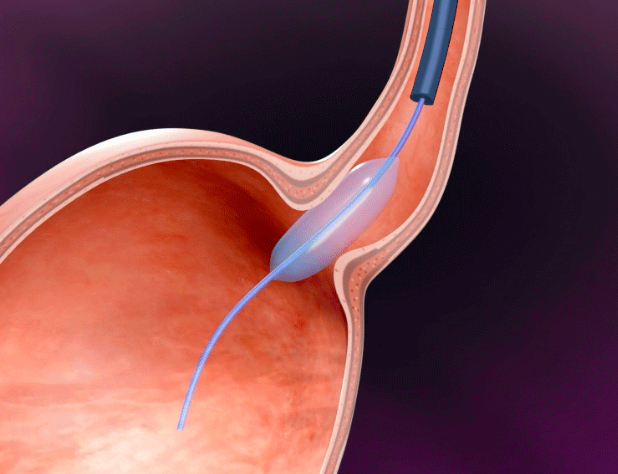
Esophageal dilation is used to widen a narrowed section of the esophagus, often called a stricture. During an endoscopic procedure, a physician may pass a balloon or other dilating instrument into the narrowed area and gradually expand it. Dilation can improve swallowing in patients with certain reflux-related strictures, Schatzki rings, or narrowing associated with eosinophilic esophagitis. Additional treatment may be necessary to control the underlying inflammation or reflux and reduce the likelihood of recurrent narrowing.
Patients with achalasia may undergo a different type of balloon procedure called pneumatic dilation, which uses a specialized balloon to disrupt the tight muscle at the lower esophageal sphincter. Pneumatic dilation may provide meaningful symptom relief, but some patients require additional sessions or another treatment over time. The benefits and risks are evaluated individually, including the uncommon but important risk of esophageal perforation.
Treatment for Achalasia and Esophageal Motility Disorders
Achalasia occurs when the lower esophageal sphincter does not relax normally and the esophagus has difficulty moving food toward the stomach. In addition to pneumatic dilation, treatment options include laparoscopic Heller myotomy and peroral endoscopic myotomy (POEM). These procedures divide selected muscle fibers to improve passage of food and liquids into the stomach. The preferred approach depends partly on the specific achalasia subtype, prior treatment, patient preferences, and available procedural expertise.
Heller myotomy is commonly performed using minimally invasive surgery and may be combined with a partial fundoplication to help reduce postoperative reflux. POEM is performed through an endoscope without conventional abdominal incisions, although reflux can occur afterward and may require ongoing evaluation or acid-suppressing medication. Botulinum toxin injections may be considered for patients who are not appropriate candidates for more definitive procedures. Other esophageal motility disorders require individualized evaluation because treatment appropriate for achalasia may not benefit every swallowing disorder.
Fundoplication and Hiatal Hernia Repair
For selected patients with objectively confirmed GERD, antireflux surgery may provide an alternative to ongoing medication or help manage significant reflux-related complications. Fundoplication involves wrapping part of the upper stomach around the lower esophagus to reinforce the barrier that normally limits the backward flow of stomach contents. The procedure can be performed using laparoscopic or robotic-assisted techniques when appropriate. Preoperative evaluation commonly includes endoscopy, reflux testing, and esophageal manometry to confirm the diagnosis and assess swallowing function.
A hiatal hernia occurs when part of the stomach moves through the diaphragm into the chest. Surgery may be considered for large or symptomatic hernias, particularly when associated with significant reflux, obstruction, or other complications. Repair generally involves returning the displaced stomach to the abdomen and narrowing the enlarged opening in the diaphragm. Fundoplication or another antireflux procedure may be performed at the same time, depending on the patient’s anatomy and clinical needs.
Treatment of Esophageal Diverticula
Esophageal diverticula are pouch-like outgrowths that can collect food and cause regurgitation, difficulty swallowing, coughing, or aspiration. Many small, asymptomatic diverticula require no intervention, while symptomatic lesions may benefit from endoscopic or surgical treatment. Options can include diverticulotomy, diverticulectomy, and treatment of an associated muscle-function abnormality. The location of the diverticulum, including whether it involves the upper esophagus or an area near the diaphragm, helps determine the most appropriate procedure.
Endoscopic Treatment of Barrett’s Esophagus With Dysplasia
Barrett’s esophagus develops when the normal lining of the lower esophagus is replaced by a different type of tissue, often associated with longstanding reflux. Most patients with Barrett’s esophagus do not develop cancer, but certain precancerous changes, called dysplasia, increase the risk of esophageal adenocarcinoma. Confirmed high-grade dysplasia generally warrants endoscopic eradication therapy rather than surveillance alone. Endoscopic treatment may also be appropriate for confirmed low-grade dysplasia after discussion of the benefits and risks.
Endoscopic mucosal resection (EMR) or other endoscopic resection techniques may be used to remove visible abnormal tissue and obtain a more complete pathologic assessment. Remaining abnormal Barrett’s tissue can then be treated with ablative methods, including radiofrequency ablation (RFA) or other suitable techniques. Patients generally require continued acid suppression and scheduled endoscopic surveillance after successful treatment because abnormal tissue or dysplasia can recur.
Minimally Invasive Surgical Approaches
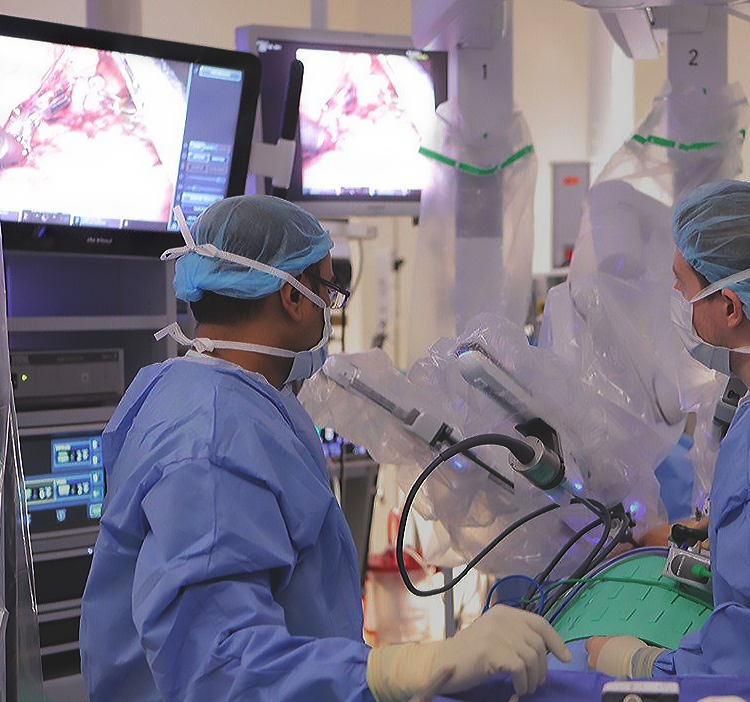
Some benign esophageal disorders can be treated using laparoscopic, robot-assisted, or endoscopic approaches that avoid the larger incisions associated with traditional open surgery. These techniques may offer recovery advantages in appropriately selected patients, but results depend on the procedure, the patient’s condition, and the complexity of the underlying disease. The primary goal remains safe and effective treatment of the specific esophageal problem rather than choosing an approach based solely on incision size.
Removal of part or all of the esophagus, called esophagectomy, is not a routine treatment for benign esophageal disease. It may rarely be considered for severe, end-stage achalasia or other complex benign conditions when less extensive procedures have failed and the esophagus is no longer functioning adequately. Because the operation substantially alters the digestive tract, it requires careful specialist evaluation. For a broader discussion of esophagectomy in cancer care, visit our Esophageal Cancer Treatment page.
Why Is Follow-Up and Surveillance Important?

Follow-up care helps determine whether treatment is controlling symptoms, whether the esophagus is functioning adequately, and whether additional intervention is needed. Patients treated for reflux-related strictures, achalasia, or eosinophilic esophagitis may require reassessment if swallowing difficulties return or inflammation persists. Depending on the condition, follow-up can involve repeat endoscopy, biopsy, esophageal function testing, or adjustments to medication and dietary recommendations.
Barrett’s esophagus requires special consideration because some patients have an increased risk of developing esophageal adenocarcinoma. Surveillance recommendations depend on whether dysplasia is present, the length of the Barrett’s segment, and previous treatment. Patients with nondysplastic Barrett’s esophagus may undergo periodic endoscopic surveillance, while confirmed dysplasia may warrant endoscopic eradication therapy. After successful treatment of dysplastic Barrett’s esophagus, scheduled surveillance remains important to identify recurrent abnormal tissue or precancerous changes.
Coordinated Care for Benign Esophageal Conditions
The treatment of benign esophageal disease is individualized according to the underlying diagnosis, symptom severity, previous treatments, and patient preferences. Some conditions respond well to medication and lifestyle adjustments, while others require specialized endoscopic or surgical procedures. Nutrition support and follow-up evaluation can also be important, particularly for patients experiencing significant swallowing difficulties or recovering from treatment.

At Saint John’s Cancer Institute, our multidisciplinary approach brings together specialists in gastroenterology, gastrointestinal surgery, diagnostic imaging, pathology, and supportive care to evaluate complex esophageal conditions and develop individualized treatment plans.
Through coordinated clinical expertise, appropriate treatment options, and continued follow-up, we help patients understand their condition, consider available therapies, and make informed decisions about their care.
If you have questions about Benign Esophageal Disease and treatment options, please call today. Click here to request an appointment.