
Skin cancers and soft tissue tumors vary widely in how they develop, how they behave, and how they are treated. While some conditions are slow growing and highly curable when detected early, others require specialized evaluation and a multidisciplinary treatment approach. At Saint John’s Cancer Institute, our melanoma specialists provide expert diagnosis and personalized care for a broad spectrum of skin cancers and related conditions.
Learn more about the conditions we diagnose and treat, including melanoma, non-melanoma skin cancers, and soft tissue sarcoma. Each page provides detailed information about symptoms, risk factors, diagnosis, and treatment options to help you better understand your condition and the care available at Saint John’s.
Basal Cell Carcinoma
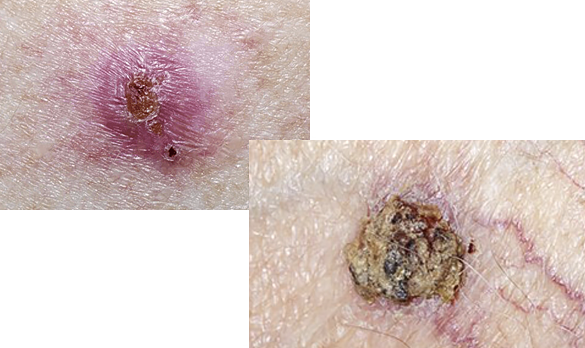
Basal cell carcinoma is the most common type of skin cancer and is often caused by years of cumulative sun exposure. These cancers typically grow slowly and rarely spread to other parts of the body, but they can become locally destructive if left untreated. Basal cell carcinoma typically appears on sun-exposed areas of the skin, such as the face, neck, and hands. The appearance of basal cell carcinoma can vary, but there are some common characteristics of this type of skin cancer. Early diagnosis allows for highly effective treatment while preserving healthy surrounding tissue.
Learn more about basal cell carcinoma, including its symptoms, diagnosis, and treatment options.
Melanoma
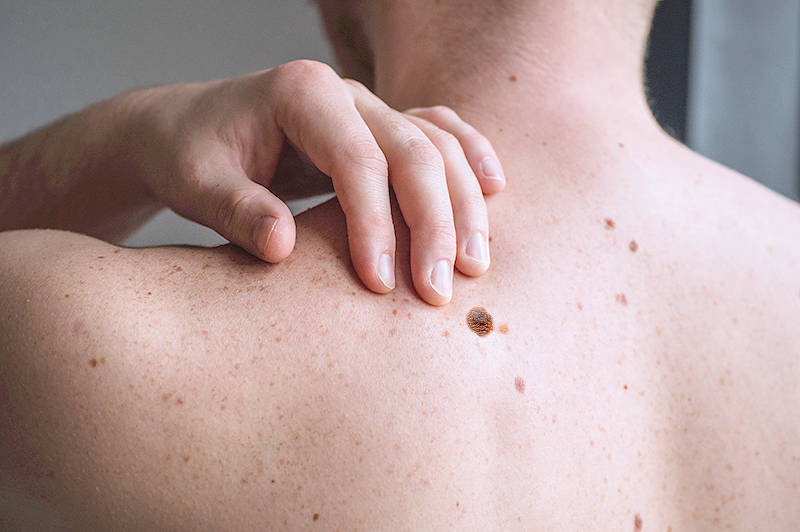
Melanoma is the most serious form of skin cancer, developing in the pigment-producing cells known as melanocytes. Although less common than other skin cancers, melanoma is more likely to spread if not detected and treated early. Melanomas can aggressively invade other parts of the body because it travels through the bloodstream. Survivability of melanoma decreases if untreated. Melanoma cases have increased in women under the age of 40, and is the main cause of death in women from ages 25 to 30. Advances in surgical oncology, immunotherapy, and targeted therapies have significantly improved outcomes for many patients.
Learn more about Melanoma.
Merkel Cell Carcinoma
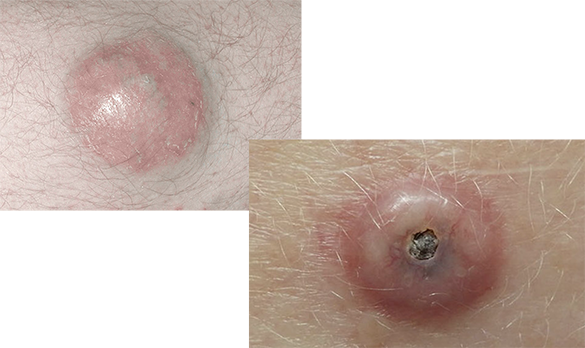
Merkel cell carcinoma is a rare but aggressive form of skin cancer that often grows quickly and may spread to nearby lymph nodes or distant organs. Because of its uncommon nature, treatment is best managed by specialists experienced in caring for complex skin cancers. Biopsy is required to determine a diagnosis, which involves removing a sample of suspicious skin or growth. It is then analyzed in our laboratory to identify signs of cancer. Once cancer has been identified, it is important to determine its extent. Early diagnosis and coordinated multidisciplinary care are essential for achieving the best possible outcomes.
Learn more about Merkel cell carcinoma and how it is diagnosed and treated.
Soft Tissue Sarcoma
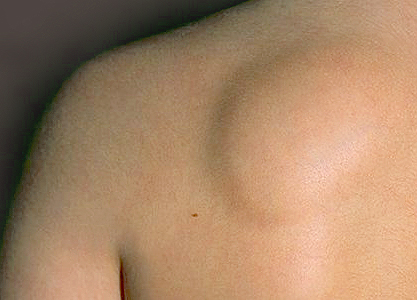
Soft tissue sarcomas are a diverse group of rare cancers that develop in muscles, fat, connective tissues, blood vessels, or other soft tissues throughout the body. Because there are many different subtypes, accurate diagnosis and individualized treatment planning are especially important. Compression from the tumor may affect circulation, movement, and nerves, which can cause pain and discomfort, however, rarely does this result in fever and/or weight loss. However, many sarcomas do not produce symptoms. Specialists at Saint John’s Cancer Institute work together to develop personalized treatment strategies using advanced surgical techniques and other therapies when appropriate.
Learn more about soft tissue sarcoma and the comprehensive care available.
Squamous Cell Carcinoma
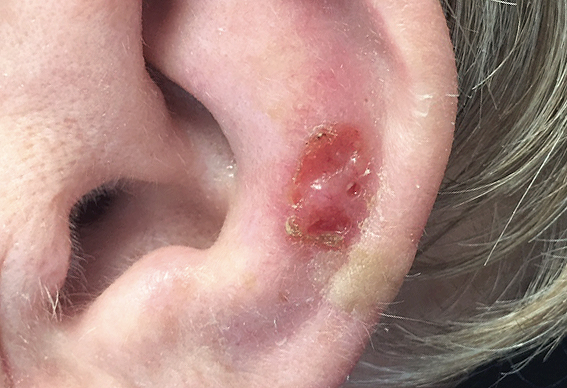
Squamous cell carcinoma of the skin develops from the squamous cells that make up much of the skin’s outer layer. It is often associated with chronic sun exposure and can appear as persistent scaly patches, sores, or rapidly growing lesions. Having previous skin cancer is a risk factor while those with reduced immune response can also create conditions that can lead to greater occurrence of SCC.
Learn more about squamous cell carcinoma of the skin and the treatment options available.
If you have questions regarding melanoma or other skins cancers, please call today or click here to schedule an appointment for an expert second opinion or click here to schedule an appointment.