
Understanding Chemotherapy for Melanoma
Chemotherapy uses medications to damage or destroy cancer cells throughout the body. Although it was once a principal drug treatment for metastatic melanoma, newer immunotherapies and targeted treatments are generally more effective for many patients. Chemotherapy may still be considered in selected cases of advanced melanoma, particularly when other treatments are unsuitable or have stopped working.
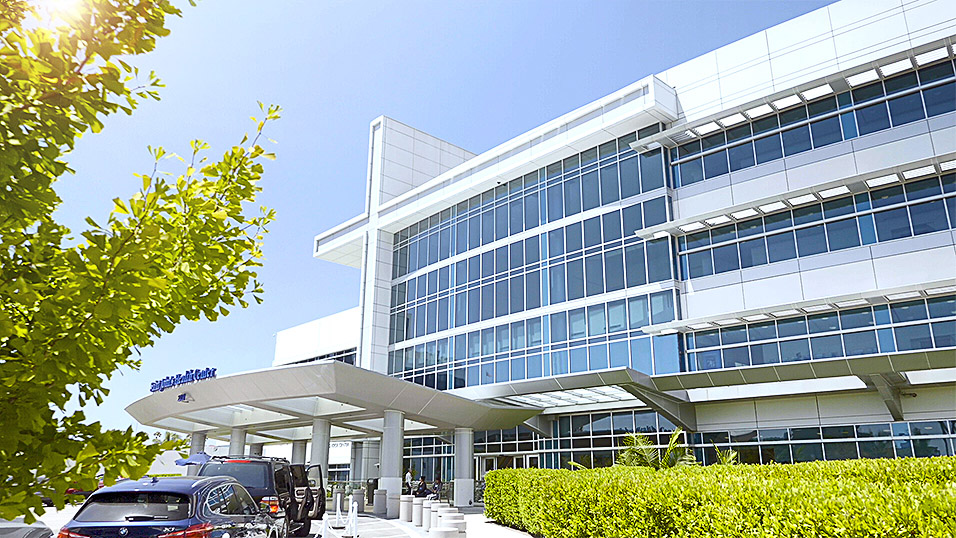
At Saint John’s Health Center, melanoma treatment planning considers the type and stage of disease, previous therapies, overall health, and the patient’s preferences. Specialists in medical oncology, surgical oncology, radiation oncology, pathology, and other disciplines may collaborate on complex treatment decisions, drawing on the clinical and research resources of Saint John’s Cancer Institute.
Because melanoma treatment has changed significantly in recent years, understanding where chemotherapy fits among available options can help patients make informed decisions about their care.
What Is Chemotherapy and How Does It Work?
Chemotherapy medications interfere with processes cancer cells use to grow and divide. Most conventional chemotherapy drugs affect rapidly dividing cells, which means they can damage cancer cells but also affect healthy tissues, including cells in the bone marrow, digestive tract, and hair follicles.
For melanoma, chemotherapy is generally administered through an intravenous infusion or, with certain medications, by mouth. The drugs circulate through the bloodstream, making chemotherapy a systemic treatment rather than a procedure limited to the original skin lesion.
Chemotherapy may shrink melanoma tumors or slow disease progression for some patients. However, responses are often less durable than those achieved with newer treatments, and chemotherapy has not demonstrated the same survival benefits as modern immunotherapy or selected targeted treatment regimens.
How Chemotherapy Differs From Immunotherapy and Targeted Therapy
Although all three approaches may involve medications that travel throughout the body, they act on cancer through different mechanisms.
- Chemotherapy: Interferes with processes involved in cell growth and division, potentially affecting both cancer cells and rapidly dividing healthy cells.
- Immunotherapy: Helps the immune system recognize and attack melanoma cells. Immune checkpoint inhibitors are central treatments for many patients with advanced melanoma and are also used in selected earlier-stage settings.
- Targeted Therapy: Blocks specific molecular pathways involved in melanoma growth. For example, certain melanomas with BRAF mutations may be treated with combinations of BRAF and MEK inhibitors.
These treatments have different indications, benefits, and side effects. Targeted treatments are not necessarily free of effects on healthy tissues, and immunotherapy can cause significant immune-related complications. Treatment selection depends on the individual cancer and the patient’s medical circumstances.
Explore our pages about Immunotherapy for Melanoma and Targeted Therapy for Melanoma for more information about these approaches.
When Is Chemotherapy Used for Melanoma?
Today, chemotherapy is used less frequently for melanoma than in the past. It may be considered for selected patients with unresectable or metastatic disease, especially when immunotherapy, targeted treatment, or other available approaches have not provided adequate disease control or are not appropriate.
Chemotherapy for Advanced or Metastatic Melanoma

Metastatic melanoma occurs when cancer spreads beyond its original location to distant tissues or organs, such as the lungs, liver, bones, or brain. Stage IV melanoma indicates distant metastasis, while some stage III melanomas cannot be removed completely through surgery.
For many patients with advanced melanoma, immune checkpoint inhibitors are preferred systemic treatments. Patients whose tumors have certain molecular alterations, including eligible BRAF mutations, may also benefit from targeted therapy. The sequence of treatment depends on disease characteristics, previous therapies, and the need for disease control.
Chemotherapy may be considered when these options are no longer effective, cannot be tolerated, or are otherwise unsuitable. In some circumstances, its purpose is to reduce tumor burden, slow disease progression, or help relieve cancer-related symptoms.
Chemotherapy Drugs Used for Melanoma
Several conventional chemotherapy medications have been used to treat metastatic melanoma. Their usefulness depends on the clinical situation, and none should be assumed to be the preferred initial treatment for all patients.
Medications that may be considered include:
- Dacarbazine (DTIC): An intravenous chemotherapy drug with a long history of use in metastatic melanoma.
- Temozolomide: An oral chemotherapy medication that has been used for advanced melanoma, although it has not demonstrated superior survival outcomes compared with dacarbazine.
- Taxane-Based Chemotherapy: Medications such as paclitaxel or nab-paclitaxel may be considered in selected circumstances.
- Platinum-Based Regimens: Drugs such as carboplatin may be combined with other chemotherapy agents for particular patients.
The choice of medication takes into account previous treatment, anticipated benefit, potential side effects, performance status, and the patient’s goals. Some patients may be better served by another systemic therapy, a clinical trial, or supportive treatment focused on symptom relief.
Is Chemotherapy Used After Melanoma Surgery?
For most patients with melanoma that has been completely removed, conventional chemotherapy is not routinely recommended to prevent recurrence. When additional postoperative treatment is indicated, modern approaches more commonly involve immunotherapy or, for eligible tumors with specific BRAF mutations, targeted therapy.
Surgery remains an important treatment for localized melanoma, commonly involving Wide Local Excision. The need for additional treatment depends on the stage, pathological findings, recurrence risk, and other clinical factors.
Some patients with advanced melanoma may also undergo surgery or radiation to treat particular areas of disease. These local treatments serve different purposes from systemic chemotherapy and are selected according to the patient’s overall disease pattern.
Electrochemotherapy and Other Specialized Approaches
Electrochemotherapy combines selected chemotherapy drugs with short electrical pulses that temporarily increase the ability of medication to enter tumor cells. It has been used in specialized settings for certain skin or subcutaneous tumor deposits, including cutaneous melanoma metastases.
Electrochemotherapy is not equivalent to conventional systemic chemotherapy and is not a routine first-line treatment for metastatic melanoma. Its availability and suitability depend on the clinical setting, tumor characteristics, and treatment expertise.
Making Informed Decisions About Melanoma Treatment
When melanoma has spread or returned after treatment, deciding on the next approach may involve reviewing previous therapies, pathology findings, molecular testing, imaging, and the patient’s general health. Chemotherapy is one possible option, but its role should be considered alongside other established treatments, clinical research opportunities, and the patient’s goals.
Individualized Treatment Recommendations
Medical oncologists may work with surgical oncologists, radiation oncologists, pathologists, radiologists, and other specialists to evaluate treatment options. For complex cases, multidisciplinary discussion can help clarify whether additional systemic therapy, treatment of specific metastatic sites, or other approaches are appropriate.
Important considerations include whether the melanoma has a targetable molecular alteration, which systemic therapies have already been used, how the disease has responded, and what side effects or medical conditions may affect the next treatment choice.
Clinical Trials and Additional Treatment Options
Clinical trials continue to evaluate new melanoma treatments and ways to improve care when established therapies are insufficient. Depending on eligibility and availability, patients with advanced melanoma may be candidates for trials involving immunotherapy, targeted treatment, cellular therapies, or other investigational approaches.
Patients who have previously received immunotherapy or targeted therapy may also have additional established treatment options. A review of prior treatment and current disease findings can help determine whether chemotherapy, another approved treatment, or a clinical trial is appropriate.
Questions to Discuss With Your Oncology Team
Understanding why a specific treatment is recommended can help patients weigh its potential benefits and risks. Questions may include whether other therapies are appropriate, what chemotherapy is expected to accomplish, how response will be measured, and which side effects require immediate attention.
Patients may also ask about expected treatment duration, quality-of-life considerations, available supportive services, and whether a second opinion or clinical trial could provide additional options.
Get Answers About Chemotherapy for Melanoma

A diagnosis of advanced or recurrent melanoma can bring difficult decisions about what treatment to pursue next. Whether chemotherapy has been recommended or you are exploring alternatives after previous treatment, understanding the available options and their goals can help you make informed decisions about your care.
At Saint John’s Cancer Institute, melanoma specialists work together to evaluate complex cases and develop individualized treatment recommendations.
If you have questions regarding chemotherapy treatment for melanoma, please call today or click here to schedule an appointment or for an expert second opinion.