Helping Families

Pediatric thyroid and endocrine conditions can affect growth, development, metabolism, energy levels, and overall well-being throughout childhood and adolescence. While some endocrine disorders are identified early in life, others may develop gradually and present with subtle symptoms that are easily overlooked.
At Saint John’s Health Center, the Endocrine Center of Excellence provides specialized evaluation and long-term care for children, adolescents, and young adults with thyroid and hormone-related conditions. Our team focuses on age-appropriate diagnosis, thoughtful treatment planning, and coordinated follow-up designed to support healthy development and long-term quality of life.
Pediatric Hypothyroidism
Hypothyroidism occurs when the thyroid gland does not produce enough thyroid hormone. Because thyroid hormones help regulate growth, metabolism, brain development, and energy balance, low hormone levels may affect both physical and cognitive development in children and adolescents.
Pediatric hypothyroidism may be present at birth or develop later during childhood or adolescence. With timely diagnosis and appropriate treatment, most children are able to grow and develop normally.
Common Causes of Pediatric Hypothyroidism
The most common cause in older children and adolescents is Hashimoto’s thyroiditis, an autoimmune condition in which the immune system gradually affects thyroid function. Other causes may include congenital hypothyroidism, prior thyroid surgery, radioactive iodine treatment, certain medications, or less common metabolic conditions.
Signs and Symptoms
Symptoms can vary depending on a child’s age and the severity of hormone deficiency. In some children, symptoms develop gradually and may initially be mistaken for other concerns.

- Fatigue or low energy
- Weight gain without increased appetite
- Cold intolerance
- Constipation
- Dry skin or hair
- Slowed growth or delayed puberty
- Difficulty concentrating or changes in school performance
Diagnosis and Treatment
Evaluation typically includes blood tests measuring thyroid-stimulating hormone (TSH), thyroid hormone levels, and in some cases thyroid antibodies to assess for autoimmune thyroid disease.
Treatment generally involves thyroid hormone replacement therapy, with medication carefully adjusted over time based on growth, lab results, symptoms, and developmental needs.
Pediatric Hyperthyroidism
Hyperthyroidism occurs when the thyroid gland produces too much thyroid hormone, causing the body’s systems to become overactive. Although less common in children than adults, pediatric hyperthyroidism may affect heart rate, growth, emotional health, and school performance if not appropriately managed.
The condition occurs more frequently during adolescence and is seen more often in girls than boys. Most children respond well to treatment with careful monitoring and long-term follow-up.
Common Causes of Pediatric Hyperthyroidism
The most common cause of hyperthyroidism in children and adolescents is Graves’ disease, an autoimmune condition that stimulates the thyroid gland to produce excess hormone. Less common causes may include thyroid inflammation, overactive thyroid nodules, certain medications, or iodine exposure.
Signs and Symptoms
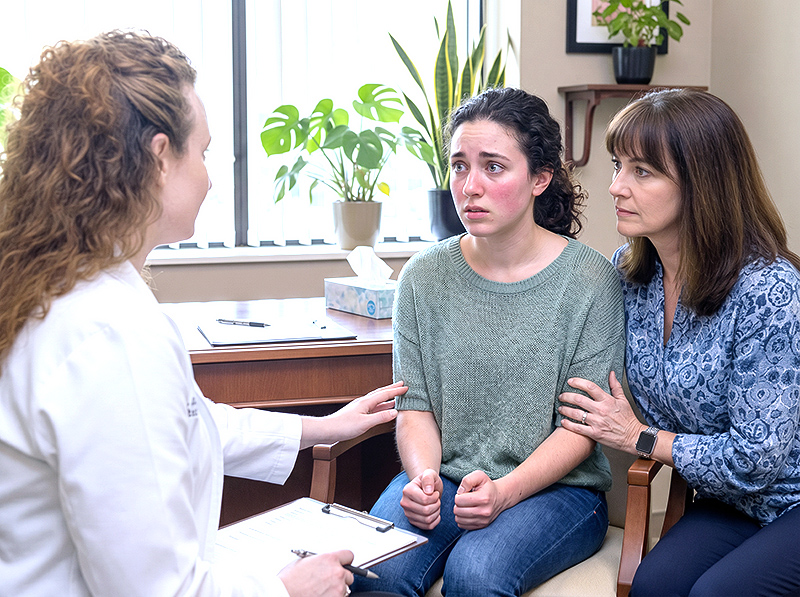
Symptoms may develop gradually or appear more suddenly depending on the cause and hormone levels. In some children, symptoms may be mistaken for behavioral, emotional, or school-related changes.
- Rapid or irregular heartbeat
- Nervousness, anxiety, or irritability
- Difficulty sleeping
- Weight loss despite normal or increased appetite
- Heat intolerance or excessive sweating
- Tremors or shakiness
- Fatigue or muscle weakness
- Difficulty concentrating or changes in school performance
Diagnosis and Treatment
Diagnosis typically includes blood tests measuring thyroid hormone levels and thyroid antibodies, along with ultrasound imaging when appropriate.
Treatment depends on the underlying cause and may include anti-thyroid medications, symptom-management medications such as beta blockers, radioactive iodine therapy in selected cases, or surgery when clinically appropriate.
Thyroid Nodules in Children and Adolescents
Thyroid nodules are less common in children than adults, but they require careful evaluation because pediatric thyroid nodules may behave differently than those seen later in life. Many nodules are discovered during routine examination or imaging performed for another reason.
Most thyroid nodules in children and adolescents are benign. However, specialized evaluation is important to determine whether additional testing or monitoring is needed.
Signs and Symptoms of Thyroid Nodules
Many children with thyroid nodules have no symptoms. When symptoms occur, they may include a lump or swelling in the neck, neck discomfort, difficulty swallowing, hoarseness, voice changes, or enlarged lymph nodes.
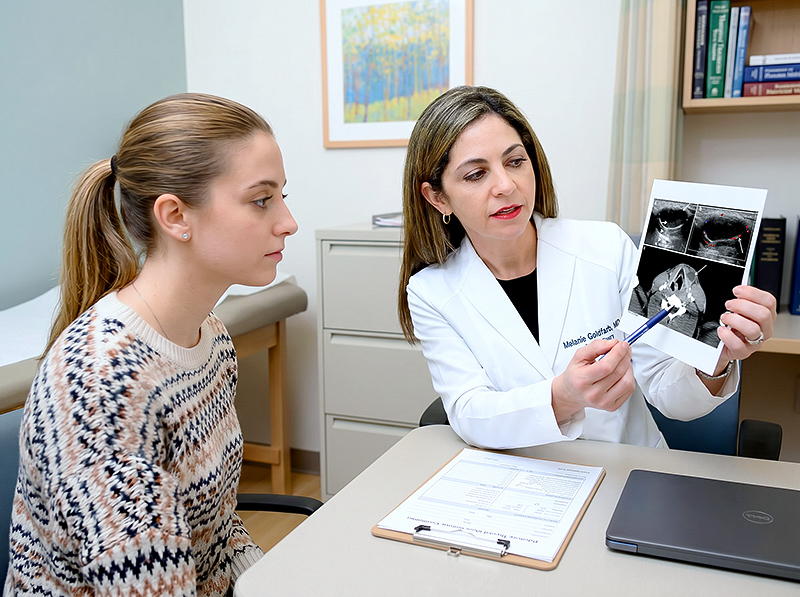
Evaluation of Pediatric Thyroid Nodules
Evaluation typically begins with thyroid ultrasound, which helps assess the size, structure, and characteristics of a nodule. Blood testing may also be performed to evaluate thyroid function.
When indicated, fine-needle aspiration (FNA) biopsy may be recommended to examine cells from the nodule more closely. Decisions regarding biopsy are based on imaging findings, nodule size, and age-specific clinical considerations.
Treatment and Monitoring
Many benign nodules can be safely monitored with periodic ultrasound and follow-up visits. If a nodule is growing, causing symptoms, affecting thyroid function, or appears suspicious on imaging, surgery or additional treatment may be recommended.
Care decisions are individualized with attention to long-term thyroid health, development, and family concerns.
Thyroid Cancer in Children and Teens
Thyroid cancer is uncommon in children and adolescents, though it is the most frequently diagnosed endocrine cancer in this age group. Pediatric thyroid cancer often behaves differently than adult thyroid cancer and is commonly associated with excellent long-term outcomes when appropriately treated.
Many thyroid cancers in younger patients are discovered during evaluation of a thyroid nodule or neck mass.
Types of Pediatric Thyroid Cancer
Papillary thyroid cancer is the most common type seen in children and adolescents and generally responds very well to treatment. Follicular thyroid cancer is less common but is also often associated with favorable outcomes.
Medullary thyroid cancer is rare in children and may sometimes be associated with inherited endocrine syndromes. In selected cases, genetic counseling and testing may be recommended.
Signs and Symptoms
Many children and teens have few symptoms early on. When symptoms occur, they may include a lump or swelling in the neck, enlarged lymph nodes, hoarseness or voice changes, difficulty swallowing, or neck discomfort.
Diagnosis and Treatment
Evaluation may include thyroid ultrasound, blood tests, biopsy, and additional imaging when needed to better understand the extent of disease.
Treatment is individualized based on the type of thyroid cancer, patient age, and clinical findings. Surgery is typically the primary treatment, while radioactive iodine therapy may be considered in selected situations.
How Pediatric Thyroid and Endocrine Conditions Are Diagnosed
Children and adolescents with thyroid or endocrine concerns often require a combination of laboratory testing, imaging, and clinical evaluation. Because symptoms may overlap with other childhood conditions, careful assessment is important to ensure accurate diagnosis and appropriate treatment planning.
- Thyroid hormone and TSH blood tests
- Thyroid antibody testing
- Thyroid ultrasound imaging
- Fine-needle aspiration (FNA) biopsy when indicated
- Additional imaging or genetic evaluation in selected cases
Our specialists tailor evaluation based on each child’s age, symptoms, medical history, and developmental needs.
Treatment and Long-Term Management
Treatment for pediatric thyroid and endocrine conditions depends on the underlying diagnosis, severity of symptoms, and the child’s stage of growth and development. Many children benefit from long-term monitoring to ensure treatment remains appropriate over time.
- Thyroid hormone replacement therapy
- Anti-thyroid medications
- Symptom-management medications
- Ultrasound monitoring
- Surgical treatment when appropriate
- Radioactive iodine therapy in selected cases
Our care team works closely with families to support long-term hormone balance, healthy development, and transition planning into adult endocrine care when needed.
When to See a Pediatric Endocrine Specialist
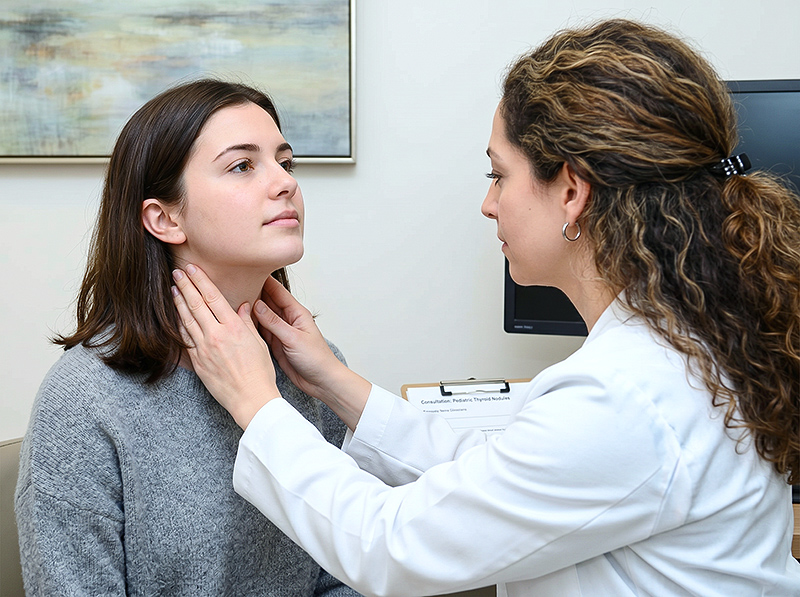
Evaluation by an endocrine specialist may be recommended if a child or adolescent has symptoms, lab findings, imaging results, or family history that suggest a thyroid or hormone-related condition.
- Abnormal thyroid blood tests
- A thyroid nodule or neck mass
- Persistent fatigue or unexplained weight changes
- Growth or pubertal concerns
- Rapid heart rate or tremors
- A family history of thyroid disease or endocrine tumors
- Abnormal newborn thyroid screening results
Early evaluation may help clarify diagnosis, guide treatment decisions, and provide reassurance for families.
Why Families Choose Saint John’s
Families choose Saint John’s for comprehensive endocrine care that combines advanced diagnostics with individualized treatment planning and long-term follow-up. Our care philosophy emphasizes clear communication, careful evaluation, and treatment recommendations that families can understand and feel confident about.
- Expertise in pediatric and adolescent thyroid disorders
- Coordinated care with imaging and surgical specialists
- Advanced thyroid ultrasound and diagnostic evaluation
- Experience managing both common and complex endocrine conditions
- Long-term monitoring focused on growth, development, and quality of life
Frequently Asked Questions
Are thyroid disorders common in children?
Most thyroid disorders are less common in children than adults, though conditions such as hypothyroidism and Graves’ disease are well recognized in pediatric endocrinology. When identified early, many pediatric thyroid disorders can be managed effectively with proper treatment and follow-up.
Can thyroid conditions affect growth or school performance?
Thyroid hormone plays an important role in growth, development, energy balance, and concentration. If thyroid hormone levels are too low or too high, children may experience changes in growth, puberty, mood, energy, or school performance.
Will my child need lifelong treatment?
Some children require long-term treatment and monitoring, while others may only need temporary therapy depending on the underlying condition and response to treatment. Follow-up testing helps determine whether treatment needs change as a child grows.
Are thyroid nodules or thyroid cancer common in children?
Both thyroid nodules and thyroid cancer are uncommon in children and adolescents. However, when a nodule or concerning neck finding is identified, careful evaluation is important to determine whether monitoring or treatment is needed.
When should my child see a specialist?
Children with abnormal thyroid blood tests, neck swelling, unexplained growth changes, persistent fatigue, or symptoms suggesting thyroid dysfunction may benefit from evaluation by a pediatric endocrine specialist.
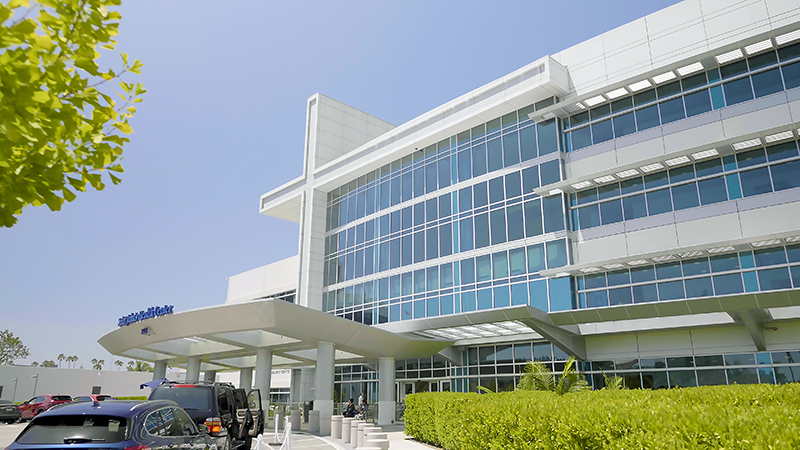
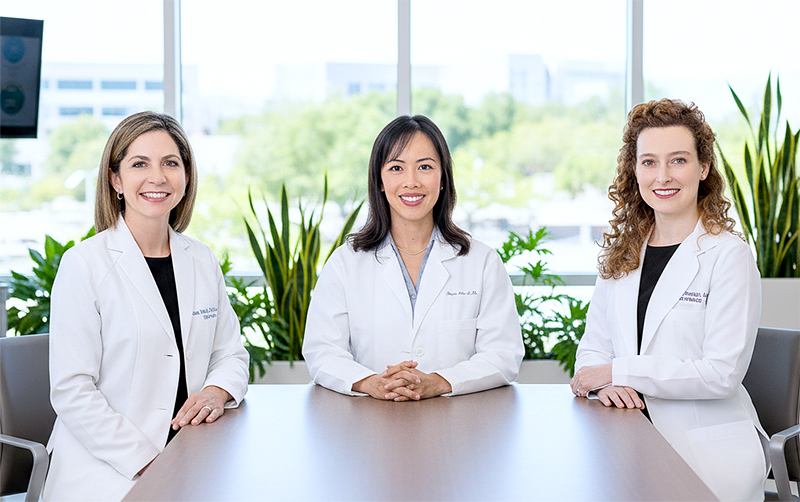
At the Center for Endocrine Tumors and Disorders at Providence Saint John’s Health Center, patients receive comprehensive evaluation, advanced imaging review, and evidence‑based treatment recommendations from specialists dedicated to endocrine health. Our team provides compassionate, personalized care for individuals and families with endocrine and thyroid conditions.
If you have questions regarding pediatric conditions, symptoms, or treatment for young adults, please call today. Click here to request an appointment.