
Why Skin Cancer Screening Matters
Skin cancer is the most common form of cancer in the United States. Fortunately, many skin cancers—including melanoma, basal cell carcinoma, and squamous cell carcinoma—can often be treated successfully when detected early.
At Providence Saint John’s Health Center, skin cancer screening is more than a routine examination. Through the Pigmented Skin Lesion Clinic and the Borstein Family Foundation Melanoma Program at Saint John’s Cancer Institute, patients have access to specialists experienced in recognizing subtle skin changes.
The Pigmented Skin Lesion Clinic at Saint John’s aims to identify suspicious moles, pigmented lesions, and other skin changes before they become more advanced. For individuals at increased risk, regular skin examinations can help establish a baseline for future monitoring.
Early Detection Improves Outcomes
Melanoma often begins as a small change in the skin that may be difficult to recognize without expert evaluation. When detected in its earliest stages, melanoma is highly treatable and may require less extensive intervention than cancers diagnosed after they have grown deeper or spread to other parts of the body. Early identification of suspicious lesions can expand treatment options, improve outcomes, and reduce the need for more complex therapies.
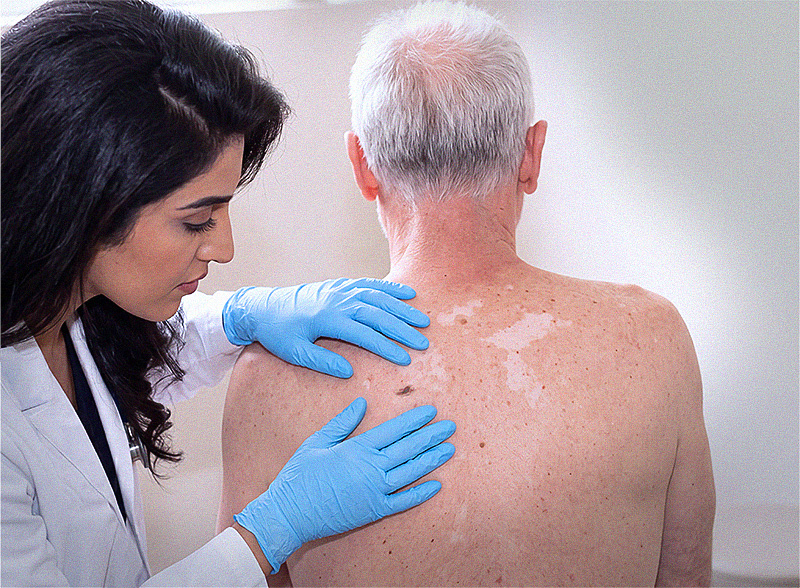
Regular skin cancer screenings are particularly important for individuals at increased risk, including those with a personal or family history of skin cancer, significant sun exposure, numerous moles, or changing skin lesions. Screening also establishes a baseline for future monitoring, making it easier to identify subtle changes over time. And while melanoma receives significant attention because of its potential to spread, screening can also help identify basal cell carcinoma, squamous cell carcinoma, and precancerous skin changes before they become more advanced.
Even when a lesion proves to be benign, a comprehensive skin evaluation can provide reassurance, education, and guidance regarding future surveillance and sun protection.
Who Should Consider a Skin Cancer Screening?
While anyone can develop skin cancer, certain factors may increase an individual’s risk. A screening may be especially beneficial for those with a history of skin cancer, significant sun exposure, numerous moles, or new and changing skin lesions.
Individuals at Increased Risk

Skin cancer screening may be recommended for individuals who have:
- A personal or family history of melanoma or other skin cancers
- Numerous moles or atypical (“unusual-looking”) moles
- A history of significant sun exposure or blistering sunburns
- Fair skin, light-colored eyes, or light hair
- A weakened immune system
- A new, changing, or concerning mole or skin lesion
- Not had a complete skin examination within the past year
When to Seek an Expert Evaluation
Adults seeking an expert assessment of their skin health, a second opinion, or evaluation of a concerning mole or lesion may also benefit from a screening. Early evaluation is particularly important when a mole appears different from surrounding moles or has changed in size, shape, color, or texture.
Do you have questions about your moles, skin sores, or need an expert second opinion?
Taking the first step toward early detection and personalized skin cancer prevention.
Recognizing the Signs of Skin Cancer
Many skin cancers begin with subtle changes that may go unnoticed. Understanding the warning signs can help patients know when to seek medical attention.
The ABCDE Warning Signs of Melanoma
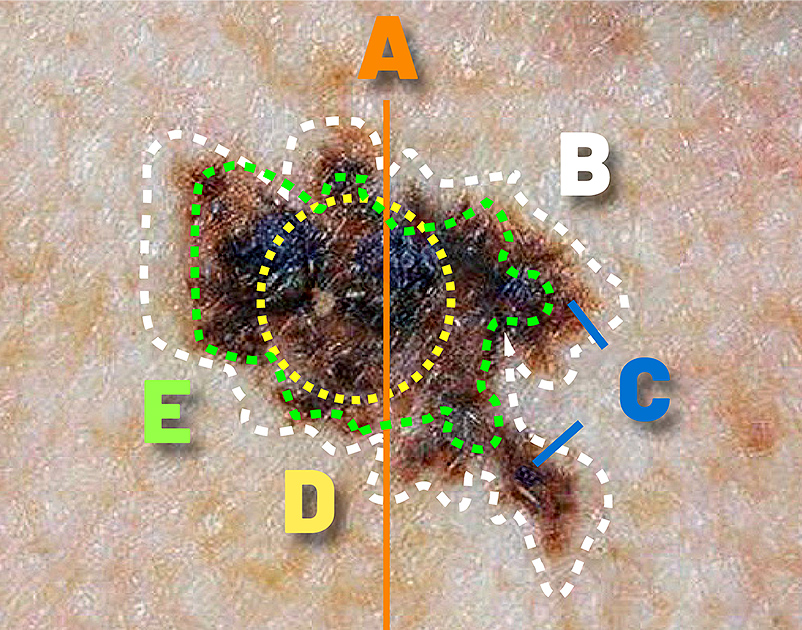
The ABCDE assessment method can identify skin changes that may indicate melanoma:
- A – Asymmetry: One half of a mole does not match the other half.
- B – Border: Edges are irregular, ragged, blurred, or poorly defined.
- C – Color: The lesion contains multiple colors or uneven pigmentation.
- D – Diameter: The mole is larger than approximately 6 millimeters, although melanomas may be smaller.
- E – Evolving: Any change in size, shape, color, elevation, or symptoms such as itching or bleeding.
The “Ugly Duckling” Sign
A mole that looks noticeably different from the rest of your moles may warrant further evaluation. Dermatologists often refer to this as the “ugly duckling” sign because these lesions stand out from an individual’s typical pattern of moles.
Other Skin Changes That Should Be Evaluated
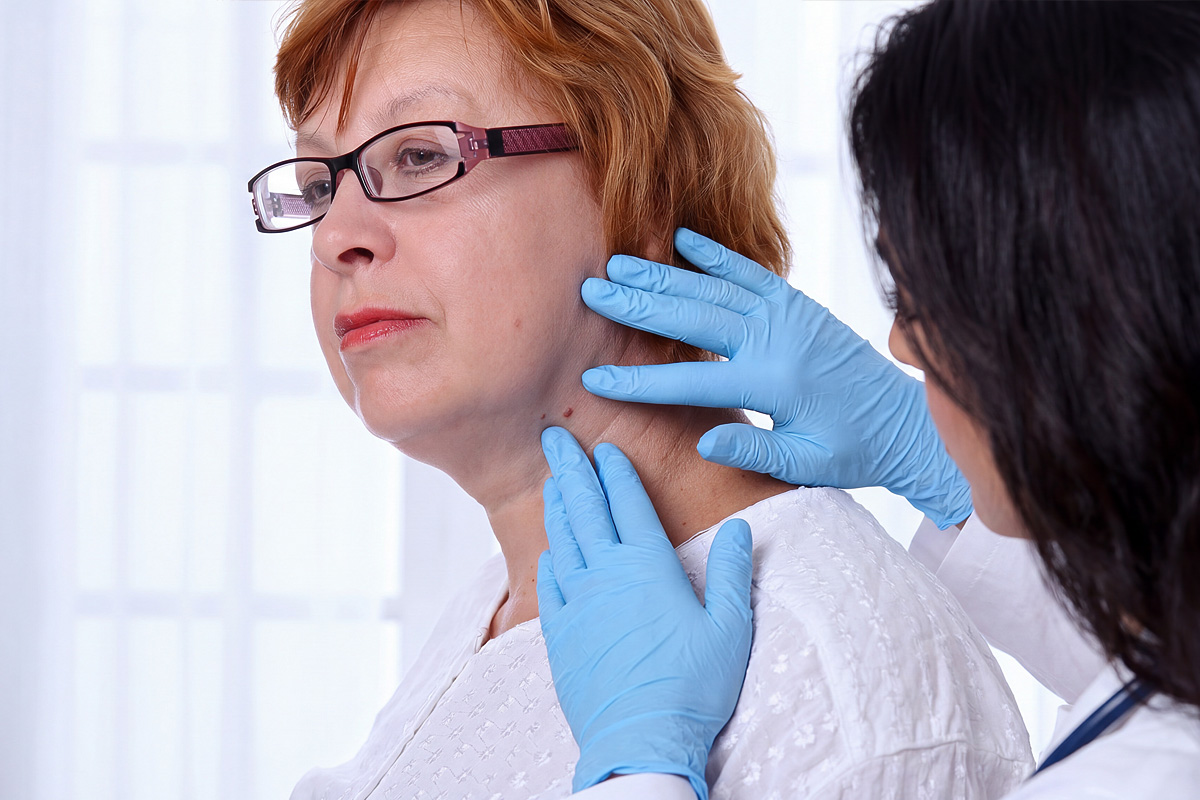
Persistent sores, scaly patches, non-healing wounds, rapidly growing lesions, bleeding lesions, or new pigmented spots should be evaluated by a medical professional. While many skin changes are harmless, an expert evaluation can help determine whether additional testing is needed.
What to Expect During a Skin Cancer Screening
If a suspicious lesion is identified, additional imaging, photographic monitoring, biopsy, or referral to other specialists may be recommended. When treatment is necessary, patients have access to a coordinated network of experts who can guide them through every stage of diagnosis, treatment, and follow-up care.
Many patients are unsure what happens during a skin cancer screening appointment. Understanding the process can help reduce anxiety and encourage timely evaluation.
Medical History and Risk Assessment
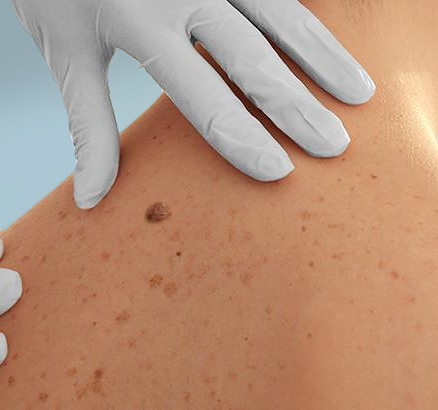
Your provider will review your medical history, family history of skin cancer, previous sun exposure, and any changes you have noticed in your skin. This information helps determine your individual risk and screening needs.
Full Skin Examination
A full skin evaluation includes examination of moles, pigmented lesions, and other skin anomolies from head to toe. Areas of concern can be examined more closely using specialized diagnostic tools.
Recommendations and Follow-Up
Most patients complete their screening without requiring additional procedures. If a lesion appears benign, your provider may recommend routine surveillance and future skin examinations based on your individual risk factors.
Advanced Skin Cancer Screening and Diagnostic Services
Effective skin cancer screening combines experienced clinical judgment with advanced diagnostic tools and coordinated access to specialty care. At Providence Saint John’s Health Center, patients benefit from comprehensive skin evaluations designed to identify suspicious lesions, monitor changes over time, and facilitate timely diagnosis when additional testing is needed.
Through the Pigmented Skin Lesion Clinic and the Borstein Family Foundation Melanoma Program, our specialists utilize a range of diagnostic technologies and clinical resources to evaluate pigmented lesions, assess skin cancer risk, and develop personalized recommendations for follow-up care.
Comprehensive Skin Examinations and Risk Assessment
A skin cancer screening begins with a thorough evaluation of your skin, medical history, family history, sun exposure, and other risk factors. This comprehensive assessment helps establish an individualized screening plan and provides a baseline for monitoring future changes.
Dermoscopy and Magnified Skin Evaluation
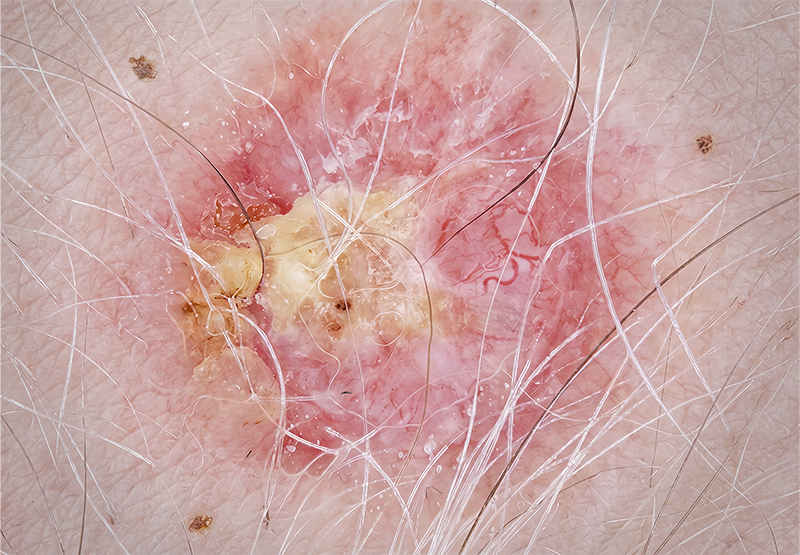
Dermoscopy is a specialized imaging technique that allows clinicians to examine pigmented lesions and other skin findings with greater detail than can be seen with the naked eye. By evaluating subtle patterns, colors, and structures within a lesion, dermoscopy can improve diagnostic accuracy and help determine whether additional monitoring or biopsy may be appropriate.
Digital Photography and Lesion Monitoring
Digital clinical photography can be used to document suspicious lesions and compare changes over time. This approach may be particularly helpful for patients with numerous moles, atypical moles, or lesions that require ongoing surveillance. Comparing images from previous visits can help identify subtle changes that may warrant additional evaluation.
Skin Biopsy and Pathology Evaluation
When a lesion requires further investigation, a skin biopsy may be performed to obtain a definitive diagnosis. Tissue samples are carefully reviewed by pathology specialists to determine whether cancerous or precancerous changes are present and to guide appropriate treatment recommendations.
Coordinated Access to Specialized Care
If additional evaluation or treatment is needed, patients benefit from seamless access to specialists across Providence Saint John’s Health Center and Saint John’s Cancer Institute. Our multidisciplinary team includes experts in dermatology, surgical oncology, pathology, medical oncology, and radiation oncology who work together to develop individualized care plans. This collaborative approach helps streamline the transition from screening and diagnosis to treatment when necessary, reducing delays and ensuring patients have access to the expertise, resources, and support they need throughout their care journey.
Why Choose Providence Saint John’s?
Patients seeking skin cancer screening benefit from access to a specialized program focused on the early detection, diagnosis, and treatment of melanoma and other skin cancers. Through the Pigmented Skin Lesion Clinic and the Borstein Family Foundation Melanoma Program at Saint John’s Cancer Institute, patients receive expert evaluation within a nationally recognized cancer program dedicated to advancing melanoma care.
The Pigmented Skin Lesion Clinic
The Pigmented Skin Lesion Clinic provides timely evaluation of suspicious moles and pigmented lesions by specialists experienced in identifying subtle changes that may represent melanoma or other skin cancers.
Expertise in Treating Melanoma and Complex Cases
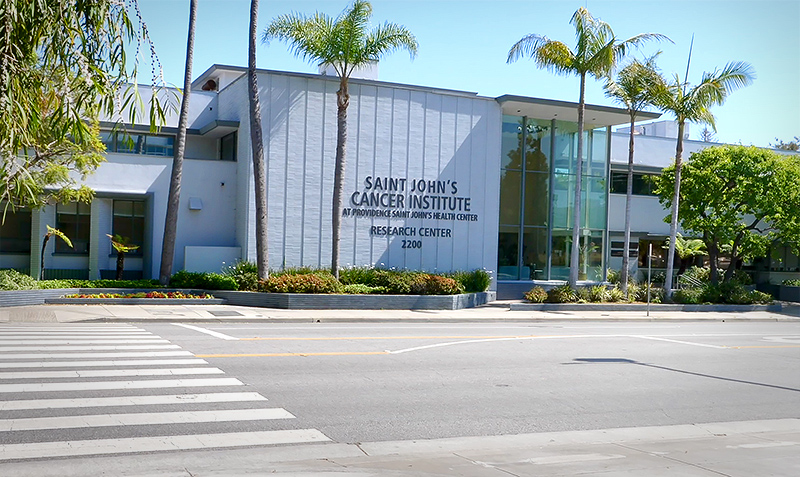
Our specialists have decades of experience diagnosing and treating melanoma and other complex skin cancers, helping patients receive appropriate evaluation and care as early as possible.
Research Through the Borstein Family Foundation Melanoma Program
The Borstein Family Foundation Melanoma Program supports research focused on improving the understanding, diagnosis, and treatment of melanoma. This commitment to innovation helps bring leading-edge knowledge and expertise to patient care.
A Seamless Pathway to Specialized Care
Should additional evaluation or treatment be needed, patients benefit from Providence Saint John’s multidisciplinary approach to care. Dermatologists, surgical oncologists, medical oncologists, pathologists, radiologists, and other specialists work together to develop personalized treatment plans tailored to each patient’s diagnosis and goals.
This collaborative model helps streamline care, reduce delays between diagnosis and treatment, and ensure patients have access to the expertise and resources they need throughout every stage of care. From routine surveillance to the management of advanced melanoma and complex skin cancers, our team is committed to providing coordinated, compassionate, and evidence-based care.
If you have a concerning mole, a personal or family history of skin cancer, or simply wish to receive an expert skin evaluation, the Pigmented Skin Lesion Clinic at Providence Saint John’s Health Center can help. To learn more or schedule an appointment, call 310.829.8317.
Early detection remains one of the most effective tools in the fight against skin cancer. Whether you are seeking a routine skin examination, evaluation of a suspicious lesion, or a second opinion, our team is committed to providing expert, compassionate care tailored to your needs.
If you have questions regarding melanoma skin cancer, or scheduling a skin screening, please call today.
Meet Your Pigmented Skin Lesion Clinic Team
The Pigmented Skin Lesion Clinic at Providence Saint John’s Health Center brings together experienced specialists dedicated to the early detection, evaluation, and management of concerning moles, pigmented lesions, and skin cancers. Patients benefit from personalized care guided by a team with extensive expertise in melanoma, cutaneous oncology, and skin lesion assessment, helping provide clarity, reassurance, and timely access to treatment when needed.
Leading the clinic is Dr. Richard Essner, Director of Surgical Oncology and Co-Director of the Melanoma Program at Saint John’s Cancer Institute. Internationally recognized for his work in melanoma and skin cancer surgery, Dr. Essner has dedicated his career to advancing the diagnosis and treatment of cutaneous malignancies. Working alongside him is Melody Simanian, PA-C, a board-certified physician assistant specializing in surgical oncology who is known for her compassionate approach and commitment to guiding patients through every step of their care journey. Together, they provide expert evaluation, education, and support for patients seeking answers about pigmented skin lesions and skin cancer risk.