
Finding a new breast lump or mass can be concerning, but many breast lumps are caused by noncancerous conditions. Because touch alone cannot reliably determine what a breast lump is, a new or persistent finding should be evaluated to determine its cause and whether imaging, follow-up or a biopsy is needed.
What Is a Breast Lump or Mass?
A breast lump or mass is an area of breast tissue that feels or appears different from the surrounding tissue. Some lumps can be felt during everyday activities or noticed because of a change in the breast, while others are first identified through breast imaging.
Breast lumps can have many causes, including cysts, fibroadenomas, infection, inflammation, injury and other benign breast conditions. Breast cancer can also present as a lump or mass, which is why a new finding should be evaluated rather than diagnosed based on how it feels.
How Is a Breast Lump Evaluated?
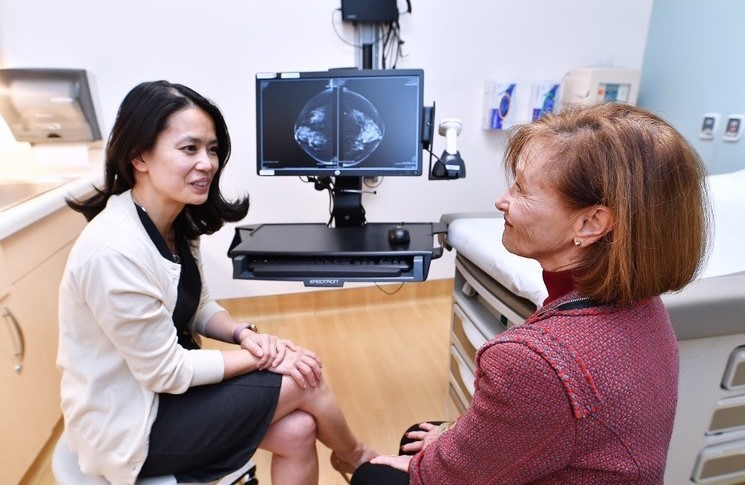
Evaluation typically begins with a discussion of when you noticed the lump, whether it has changed and any other breast symptoms, along with relevant personal and family history. A clinical breast examination can help determine the location and characteristics of the finding and guide the next step.
Breast imaging is often used to further evaluate a lump. Depending on factors such as your age, symptoms and previous imaging, this may include diagnostic mammography, ultrasound or other imaging when appropriate. Mammography provides a detailed view of breast tissue, while ultrasound can help characterize a finding, including whether it appears solid or fluid-filled.
You do not need to know which imaging test you need before seeking care. Your breast care team can determine the appropriate evaluation based on the finding and your individual circumstances.
When Is a Breast Biopsy Needed?
Imaging can provide important information about a breast mass, but it cannot always determine exactly what a finding represents. If a lump has suspicious or uncertain features, a breast biopsy may be recommended so a tissue sample can be examined by a pathologist. A biopsy does not mean that a finding is cancer; it is a way to establish a diagnosis when tissue is needed.
Learn more about Breast Evaluation & Screening.
Common Benign Causes of Breast Lumps
Many different noncancerous conditions can cause a breast lump or mass. Some require no treatment once they have been properly evaluated, while others may require monitoring or treatment based on symptoms and the specific diagnosis.
Breast Cysts
Breast cysts are fluid-filled sacs that can develop within breast tissue and may change in size or tenderness over time. Imaging, particularly ultrasound, can help distinguish a fluid-filled cyst from a solid mass. Some cysts require no treatment, while aspiration may sometimes be used when a cyst is painful or additional evaluation is needed.
Fibroadenomas
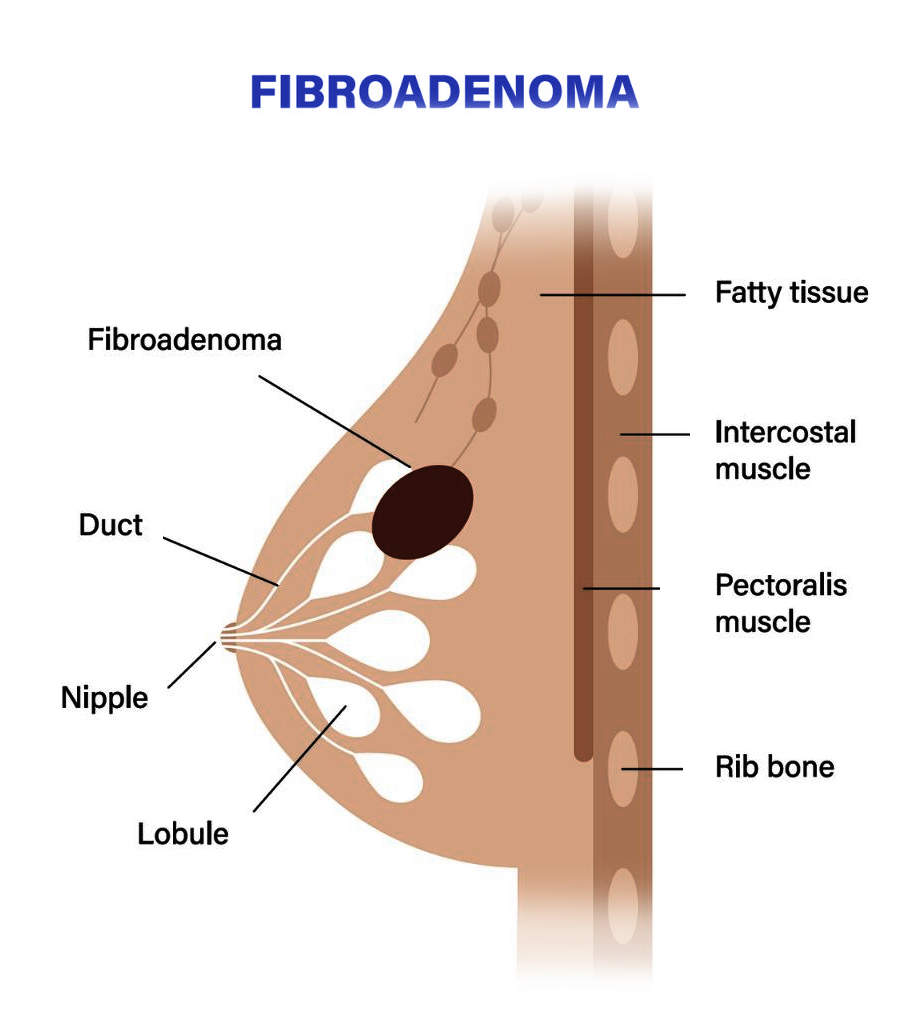
Fibroadenomas are benign solid breast masses made up of glandular and fibrous tissue and are particularly common in younger women. Imaging can often provide useful information about their appearance, although follow-up or biopsy may be recommended depending on the characteristics of the mass and the individual patient.
Fat Necrosis and Hematomas
An injury, surgery or other trauma to the breast can sometimes result in a lump caused by damaged fatty tissue or a collection of blood. These findings are benign but can sometimes resemble other breast abnormalities, making imaging or additional evaluation important when a new lump persists.
Lipomas
Lipomas are benign growths composed of fatty tissue and can occur in the breast or surrounding areas. They often require no treatment once their nature has been established, although any newly discovered mass should first be appropriately evaluated.
Mastitis and Breast Abscesses
Infection or inflammation can cause an area of the breast to become swollen, painful, warm or firm. Mastitis and breast abscesses may require treatment, and an abscess may sometimes need drainage. Persistent symptoms or changes that do not improve should be reevaluated to determine whether another cause is present.
What Happens After a Breast Lump Is Evaluated?
The next step depends on what the evaluation shows. A clearly benign finding may require no further care or may simply be monitored, while some benign conditions can be treated when they cause pain or other symptoms. Findings that remain uncertain may require additional imaging or biopsy.
If breast cancer is diagnosed, the information from imaging and pathology helps the breast care team determine what additional evaluation is needed and begin developing an individualized treatment plan. The purpose of evaluating a breast lump is not to assume the worst, but to understand what the finding represents and determine the appropriate next step.
When Should I Contact the Breast Center?

Contact your healthcare provider or the Breast Center if you discover a new breast lump, an area of thickening or another persistent breast change. You do not need to wait for your next routine mammogram or determine whether the finding feels concerning before seeking evaluation.
The Margie Petersen Breast Center can evaluate many breast concerns promptly, coordinating clinical examination, imaging and biopsy when appropriate to help patients move from finding a lump to understanding what it means.
Talk With Our Breast Clinic Team
The Breast Health Clinic can be reached at (310) 582-7209. If you have questions about a new breast symptom, need an evaluation or would like help determining your next step, call and a member of our team can assist you.