What Is Hyperthyroidism?
Hyperthyroidism is a condition in which the thyroid gland produces too much thyroid hormone, leading to an accelerated metabolism. Hyperthyroidism occurs when the thyroid gland produces too much thyroid hormone, accelerating the body’s metabolism and causing symptoms such as a rapid heartbeat, weight loss, heat intolerance, tremors, sweating, irritability, and anxiety.

At Saint John’s Health Center in Santa Monica, CA, our Endocrine Center of Excellence provides expert evaluation, imaging, and personalized treatment for all thyroid disorders, including Graves’ disease, toxic nodules, and thyroiditis-related hyperthyroidism.
Treatment options vary depending on the cause and severity of the condition.
Signs and Symptoms of Hyperthyroidism
Hyperthyroidism symptoms may vary depending on the severity and duration of hormone overproduction. It can be caused by autoimmune disease (such as Graves’ disease),thyroid nodules, thyroid inflammation, or excessive iodine intake. Identifying the exact cause is essential because treatment options differ depending on whether hyperthyroidism is autoimmune, nodule-driven, or medication-induced.
Common symptoms include:
- Rapid or irregular heartbeat (palpitations)
- Unintentional weight loss
- Nervousness, anxiety, or irritability
- Tremors
- Heat intolerance and excessive sweating
- Increased appetite
- Difficulty sleeping
- Frequent bowel movements
- Fatigue or muscle weakness
Some people have mild or “subclinical” hyperthyroidism with subtle symptoms, requiring careful evaluation.
Causes of Hyperthyroidism
Graves’ Disease

Graves’ Disease is the most common cause of hyperthyroidism. Graves’ Disease is an autoimmune condition in which antibodies overstimulate the thyroid gland. Symptoms include weight loss, heat intolerance, tremors, anxiety, and a goiter. Unique features are eye involvement (Graves’ ophthalmopathy) and, rarely, skin changes (Graves’ dermopathy). It is more common in women and often requires treatment with antithyroid drugs, radioactive iodine, or surgery.
Toxic Adenoma
Toxic adenoma is a single, benign thyroid nodule that autonomously produces excess thyroid hormones, leading to hyperthyroidism. Unlike Graves’ disease, it does not involve autoimmunity or eye symptoms. Diagnosis typically shows a “hot” nodule on a thyroid scan with suppressed activity in the rest of the gland. Symptoms include palpitations, weight loss, and heat intolerance. Definitive treatment often involves radioactive iodine or surgical removal.
Toxic Multinodular Goiter
Toxic Multinodular Goiter condition, also called Plummer’s disease, involves multiple autonomously functioning thyroid nodules producing excess hormones. It is the second most common cause of hyperthyroidism after Graves’ disease, usually in older adults. Symptoms resemble those of hyperthyroidism but are often milder and develop gradually. Eye changes are rare. Treatment options include antithyroid drugs for symptom control, radioactive iodine, or surgery for large goiters or compressive symptoms.
Thyroiditis
Thyroiditis refers to inflammation of the thyroid gland and includes several types, such as Hashimoto’s (autoimmune, leading to hypothyroidism), subacute (often viral, causing painful swelling), and postpartum thyroiditis. It typically progresses through phases: an initial thyrotoxic phase (excess hormone release), followed by hypothyroidism, and sometimes recovery. Causes include autoimmunity, infection, radiation, or certain medications. Management depends on the type and phase, ranging from anti-inflammatory drugs to lifelong thyroid hormone replacement.
Excess Iodine Intake
Consuming too much iodine—through diet, supplements, or medical sources like contrast agents—can disrupt thyroid function. It may cause hypothyroidism (due to failure to escape the Wolff-Chaikoff effect) or hyperthyroidism (Jod-Basedow phenomenon), especially in people with prior iodine deficiency or thyroid disease. Chronic excess can also lead to goiter and, in rare cases, autoimmune thyroid disorders. High-risk groups include infants, pregnant women, and those with preexisting thyroid conditions.
Risk Factors for Hyperthyroidism

Factors that increase the likelihood of developing hyperthyroidism include:
- Family history of thyroid disorders
- Presence of autoimmune disease
- Female sex
- High iodine intake
- Prior thyroid inflammation
Patients with Graves’ disease or thyroid nodules in their family may benefit from earlier screening.
How Is Hyperthyroidism Diagnosed?
Blood Tests
- Low TSH (thyroid-stimulating hormone)
- High T3 and T4 hormone levels
- TSI antibodies for suspected Graves’ disease
Imaging
- Thyroid ultrasound
- Radioactive iodine uptake scan to determine the cause
Follow-up imaging or repeat laboratory testing may be recommended if results are affected by medications or if the diagnosis is unclear.
Treatment and Management of Hyperthyroidism
Treatment depends on the cause, severity, and patient-specific factors.
Anti–Thyroid Medications
Anti-thyroid medications such as methimazole reduce thyroid hormone production and are often used as first-line therapy.
Radioactive Iodine Therapy
Destroys overactive thyroid tissue and is a standard treatment for Graves’ disease and toxic nodular disease.

Thyroid Surgery
Surgical removal (or thyroidectomy) of part or all of the thyroid gland may be recommended for large goiters, suspicious nodules, or when medications or radioactive iodine are not appropriate.
Symptom Control
Beta blockers may be prescribed to help control heart rate, tremors, and anxiety during initial treatment. Your care team at Saint John’s monitors thyroid levels closely to ensure balanced hormone function and prevent long-term complications.
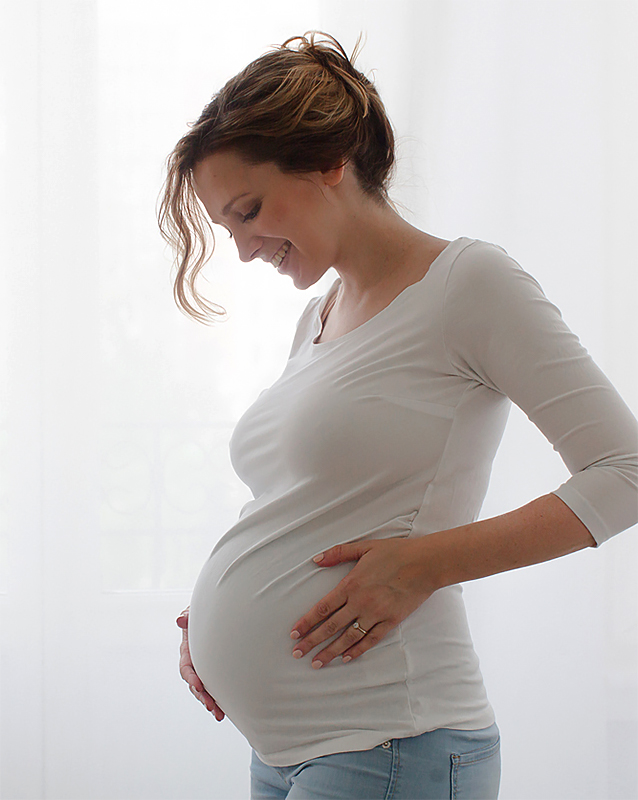
Hyperthyroidism and Pregnancy
Because thyroid levels naturally fluctuate during pregnancy, early diagnosis and careful monitoring are essential to protect both mother and baby.
Understanding Hyperthyroidism in Pregnancy
Circulating thyroid hormone levels fluctuate normally during pregnancy. However, maternal hyperthyroidism during pregnancy develops in about 1 in 1,500 pregnancies, most commonly due to Graves’ disease.
Risks and Complications
Hyperthyroidism during pregnancy should be treated to avoid complications.
Maternal risks include:
- Early labor
- Pre-eclampsia
- Worsening cardiac symptoms
Fetal risks include:
- Prematurity
- Fast fetal heart rate
- Congenital defects
- Neonatal hyperthyroidism
Treatment During Pregnancy
Treatment depends on severity:
- Mild hyperthyroidism: Often monitored closely.
- Moderate to severe: Usually treated with antithyroid medications that are safe during pregnancy.
- Rare cases: Surgery may be required if medication is ineffective or not tolerated.
Postpartum Considerations
Hyperthyroidism can also occur postpartum and is often followed by hypothyroidism as the thyroid becomes underactive after an initial overactive phase. Postpartum thyroid testing is recommended, especially for individuals with autoimmune thyroid disease or prior pregnancy-related thyroid dysfunction.
Living With Hyperthyroidism
Hyperthyroidism can often be managed long-term with appropriate treatment. Regular monitoring of thyroid levels, heart health, weight changes, and bone density helps ensure long-term stability. Your care plan at Saint John’s is personalized based on your symptoms, underlying cause, and treatment response.
Prognosis and Long-Term Follow-Up
The overall outlook for hyperthyroidism is excellent with proper treatment. Many patients see significant improvement once hormone levels normalize. Long-term follow-up may be required to watch for recurrence, medication effects, or the development of hypothyroidism after treatment.
Frequently Asked Questions About Hyperthyroidism
Q: Is hyperthyroidism dangerous if untreated?
Yes. Uncontrolled hyperthyroidism increases the risk of heart rhythm problems, bone loss, and in rare cases, thyroid storm — a medical emergency.

Q: Can hyperthyroidism resolve on its own?
Some types, particularly thyroiditis-related hyperthyroidism, may resolve naturally. Others require ongoing treatment.
Q: Will treatment cause hypothyroidism?
Radioactive iodine or surgery can reduce thyroid activity, requiring lifelong thyroid hormone replacement.
Q: How long does it take to feel better after treatment?
Many patients begin feeling better within a few weeks, though complete hormone stabilization may take several months.
If you have questions regarding Hyperthyroidism or other thyroid conditions, please call today. Request an appointment
Doctors Who Treat Hyperthyroidism
Please submit an online appointment request or call 310-829-8751 if you have any questions, need a diagnosis, treatment or second opinion.