Hypothyroidism is a condition in which the thyroid gland does not produce enough thyroid hormone to meet the body’s needs. Because thyroid hormones help regulate metabolism, heart rate, temperature, and energy balance, reduced hormone levels can lead to a wide range of symptoms that often develop gradually over time.

At Saint John’s Health Center, our endocrinology specialists diagnose and manage all forms of hypothyroidism, including autoimmune thyroid disease, hormone deficiency following thyroid surgery or radioactive iodine therapy, and milder or subclinical thyroid dysfunction. Care is individualized to support long-term health, symptom relief, and quality of life.
What Is Hypothyroidism?
Hypothyroidism occurs when the thyroid gland produces insufficient amounts of thyroid hormones—primarily thyroxine (T4) and triiodothyronine (T3). These hormones play an essential role in regulating how the body uses energy and supporting normal organ function.
Unlike hyperthyroidism, which involves excess thyroid hormone production, hypothyroidism reflects reduced hormone levels and requires a different diagnostic and treatment approach.
Signs and Symptoms of Hypothyroidism
Symptoms of hypothyroidism often develop slowly and may be subtle in the early stages, making them easy to overlook or attribute to other conditions. The type and severity of symptoms can vary significantly between individuals.

- Fatigue or low energy
- Sensitivity to cold
- Weight gain or difficulty losing weight
- Dry skin or thinning hair
- Constipation
- Depression or slowed thinking
- Heavy or irregular menstrual cycles
- Muscle aches, cramps, or stiffness
- Slower-than-normal heart rate
Because these symptoms are not specific to thyroid disease, blood testing is essential to confirm the diagnosis.
Causes of Hypothyroidism
Hypothyroidism can result from several underlying conditions or medical treatments. Identifying the cause helps guide therapy, determine appropriate dosing, and inform long-term monitoring.
Hashimoto’s Thyroiditis

Hashimoto’s thyroiditis is the most common cause of hypothyroidism and is considered an autoimmune thyroid disorder. In this condition, the immune system gradually damages thyroid tissue, reducing hormone production over time.
Symptoms may not appear until thyroid function is significantly affected, making early evaluation important for long-term health.
Thyroid Surgery
Partial or complete removal of the thyroid gland may lead to hypothyroidism, depending on how much functional tissue remains. Surgery may be performed for a variety of reasons, including nodules, compression symptoms, or thyroid cancer.
When hypothyroidism occurs after surgery, thyroid hormone replacement therapy is typically required and carefully monitored.
Radioactive Iodine Therapy
Radioactive iodine therapy is commonly used to treat hyperthyroidism and other thyroid conditions. Over time, this treatment may reduce thyroid activity enough to result in hypothyroidism.
Hormone replacement therapy can be adjusted to restore balance and support long-term metabolic health.
Medications
Certain medications, including lithium, some heart medications, and select immunotherapies, may interfere with thyroid hormone production or regulation.
Monitoring thyroid function during treatment allows for early identification of hormone changes and timely intervention.
Congenital Hypothyroidism
Congenital hypothyroidism is present at birth and occurs when the thyroid gland is absent, underdeveloped, or unable to produce sufficient hormones.
Routine newborn screening allows for early diagnosis, and prompt treatment supports normal growth and development.
Risk Factors for Hypothyroidism

Some individuals are more likely to develop hypothyroidism due to genetic, medical, or environmental factors. Understanding these risks can help guide screening and early evaluation.
- Family history of thyroid disease
- Autoimmune conditions such as type 1 diabetes
- Prior treatment for hyperthyroidism, including surgery or radioactive iodine
- Radiation exposure to the neck or chest
- Increasing age
- Female sex
Women, particularly during pregnancy or the postpartum period, may benefit from closer thyroid monitoring.
How Is Hypothyroidism Diagnosed?
Diagnosis is based on blood testing combined with clinical evaluation. Testing helps confirm thyroid hormone deficiency and identify potential contributing factors.
Blood Tests
Blood testing typically includes measurement of thyroid-stimulating hormone (TSH), which is elevated in most cases of hypothyroidism. Free T4 levels are often low.
Thyroid antibody testing may be performed when autoimmune thyroid disease is suspected.
Additional Evaluation
In some cases, a thyroid ultrasound may be recommended to evaluate gland size, structure, or inflammation, or to assess thyroid nodules.
Routine monitoring allows providers to adjust treatment and avoid over- or under-replacement.
Treatment and Management of Hypothyroidism
Hypothyroidism is most commonly treated with thyroid hormone replacement therapy, typically using levothyroxine. This medication replaces the hormone the thyroid is unable to produce and helps normalize metabolic function.
Dosing is individualized based on symptoms, blood test results, age, heart health, and pregnancy status when applicable.
Living With Hypothyroidism
With appropriate treatment, most people with hypothyroidism are able to lead full, active lives. Long-term management focuses on maintaining hormone balance and supporting overall health.
- Taking thyroid medication consistently
- Regular monitoring of TSH and thyroid hormone levels
- Addressing lifestyle factors such as nutrition, sleep, and stress
Many patients notice meaningful improvement in energy, mood, and metabolism once thyroid levels are optimized.
Hypothyroidism and Pregnancy
Thyroid hormone plays a critical role in fetal development, particularly during early pregnancy. Careful diagnosis and management of hypothyroidism during pregnancy are important for maternal and fetal health.
Why Hypothyroidism Matters During Pregnancy
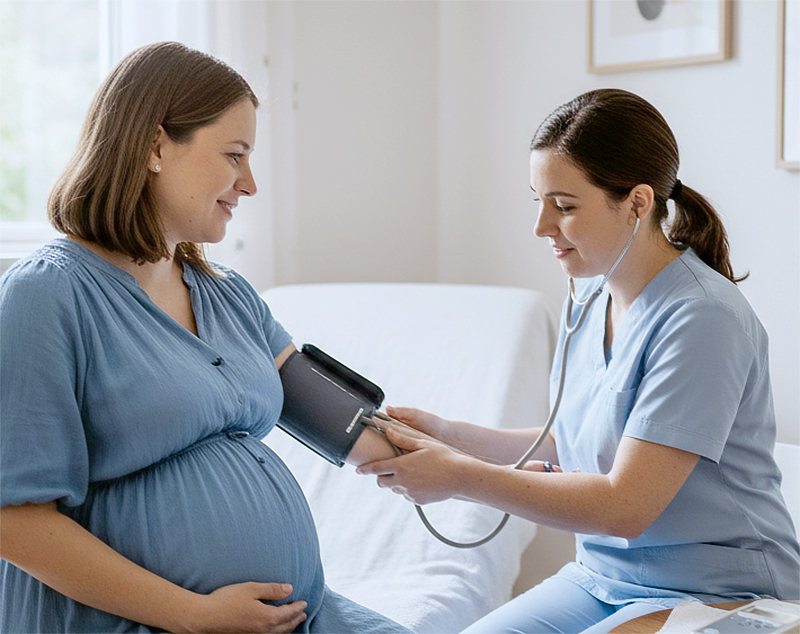
Hypothyroidism during pregnancy may increase the risk of complications such as miscarriage, preeclampsia, anemia, placental abnormalities, and preterm birth.
Even mild or subclinical hypothyroidism may warrant closer monitoring.
Treatment During Pregnancy
Women with known hypothyroidism often require dose adjustments during pregnancy.
TSH levels are monitored more frequently to maintain appropriate hormone levels.
Postpartum Thyroid Changes
Some women develop postpartum thyroiditis, which may cause temporary thyroid dysfunction after delivery.
Follow-up testing helps ensure long-term thyroid stability.
Prognosis and Long-Term Monitoring
Hypothyroidism generally has an excellent prognosis when appropriately treated. Regular follow-up helps maintain stable hormone levels and supports long-term health and well-being.
Frequently Asked Questions About Hypothyroidism
Can hypothyroidism be cured?
Most forms of hypothyroidism require ongoing thyroid hormone replacement.
With proper treatment and monitoring, symptoms are typically well controlled.
How quickly does medication start working?
Some patients notice improvement within a few weeks, though full stabilization may take several months.
Follow-up testing helps guide dose adjustments.
Is hypothyroidism the same as Hashimoto’s disease?
Hashimoto’s thyroiditis is the most common cause of hypothyroidism, but it is not the only cause.
Other conditions and treatments can also reduce thyroid function.
Can diet improve hypothyroidism?
Diet supports overall health but does not replace thyroid hormone therapy.
Nutrient supplementation should be discussed with a healthcare provider.

Your Endocrine Tumors and Disorders team at Saint John’s Health Center
If you have questions about hypothyroidism, would like to receive an expert second opinion, or request an appointment, our care team is ready to support you every step of the way.
If you have questions regarding Hypothyroidism or other endocrine-related conditions, please call today. Request an appointment