

The Urology and Urologic Oncology Center at Providence Saint John’s Health Center provides specialized evaluation and treatment for cancers and noncancerous conditions affecting the urinary and male reproductive systems. Our specialists combine advanced diagnostic testing, medical and surgical expertise, and personalized treatment planning to help patients understand their condition and choose the most appropriate path forward.
Urologic Conditions We Treat
Urologic conditions can affect the kidneys, bladder, ureters, prostate, testicles and urinary function. Some require cancer treatment, while others involve urinary obstruction, bladder function, sexual health or other noncancerous disorders. Explore the conditions below to learn about symptoms, diagnosis and available treatment options.
Benign Prostatic Hyperplasia (BPH)
Benign prostatic hyperplasia, commonly called BPH or an enlarged prostate, is a noncancerous enlargement of the prostate that can interfere with urine flow. Symptoms can include frequent or urgent urination, a weak stream, difficulty starting urination and incomplete bladder emptying. Treatment is individualized according to symptoms, prostate anatomy and how much the condition affects daily life.
Learn More About Benign Prostatic Hyperplasia (BPH)
Bladder Cancer
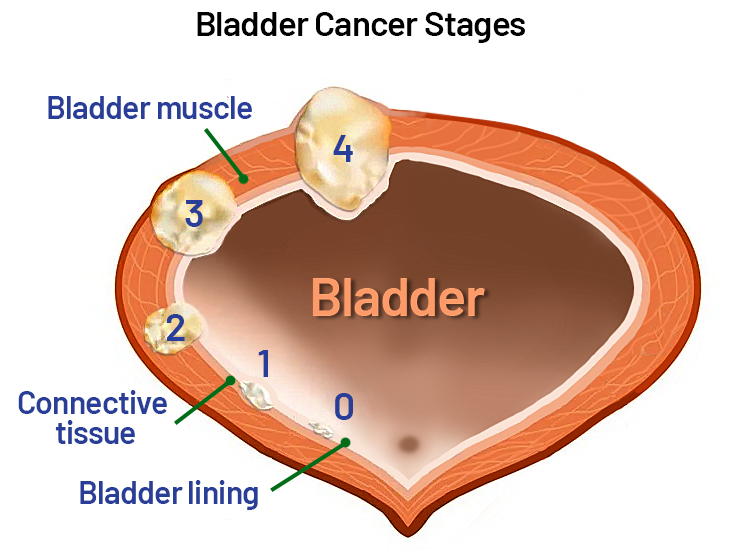
Bladder cancer most commonly develops from urothelial cells lining the inside of the bladder. Evaluation determines the type, grade and extent of the cancer and helps guide treatment, which can range from therapies delivered directly into the bladder to surgery, systemic treatment and bladder-preserving approaches.
Learn More About Bladder Cancer
Erectile Dysfunction
Erectile dysfunction (ED) is persistent difficulty achieving or maintaining an erection sufficient for sexual activity. Because ED can have vascular, neurologic, hormonal, medication-related and psychological causes, evaluation focuses on identifying contributing factors and selecting treatment according to each patient’s health and goals.
Learn More About Erectile Dysfunction
Kidney Cancer
Kidney cancer develops when abnormal cells grow within kidney tissue, with renal cell carcinoma being the most common type in adults. Treatment depends on the tumor’s size, location and stage as well as kidney function and overall health, with options ranging from surveillance and kidney-preserving surgery to more extensive treatment for advanced disease.
Learn More About Kidney Cancer
Kidney Stones
Kidney stones form when minerals and other substances in urine crystallize into solid deposits within the urinary tract. Some stones pass without intervention, while others can cause severe pain, urinary obstruction or infection and may require medication, ureteroscopy, laser treatment or another procedure.
Learn More About Kidney Stones
Prostate Cancer
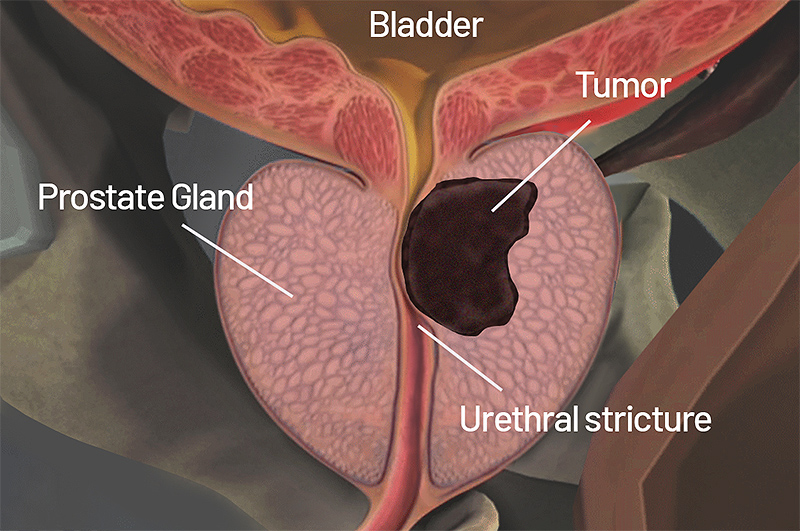
Prostate cancer develops in the prostate gland and can range from slow-growing disease that may be carefully monitored to cancers requiring active treatment. Diagnosis, cancer risk, overall health and patient priorities help guide decisions involving active surveillance, surgery, radiation, systemic therapy and other treatment options.
Learn More About Prostate Cancer
Testicular Cancer
Testicular cancer develops in the tissues of one or both testicles and most often begins in germ cells. It is highly treatable, and evaluation focuses on identifying the tumor type and extent of disease so surgery and any additional treatment can be appropriately planned.
Learn More About Testicular Cancer
Upper Tract Urothelial Carcinoma (UTUC)
Upper tract urothelial carcinoma is a rare cancer that develops in the urothelial lining of the renal pelvis or ureter. Careful diagnosis and risk assessment help determine whether kidney-sparing treatment is appropriate or whether surgery or systemic treatment is needed for higher-risk disease.
Learn More About UTUC Diagnosis & Treatment
Ureteral Cancer
Ureteral cancer is a form of upper tract urothelial carcinoma that develops in the lining of one or both ureters, the tubes that carry urine from the kidneys to the bladder. Treatment depends on tumor grade, location and extent, with kidney-sparing approaches considered when clinically appropriate.
Learn More About Ureteral Cancer
Urinary Obstruction & Urologic Reconstruction
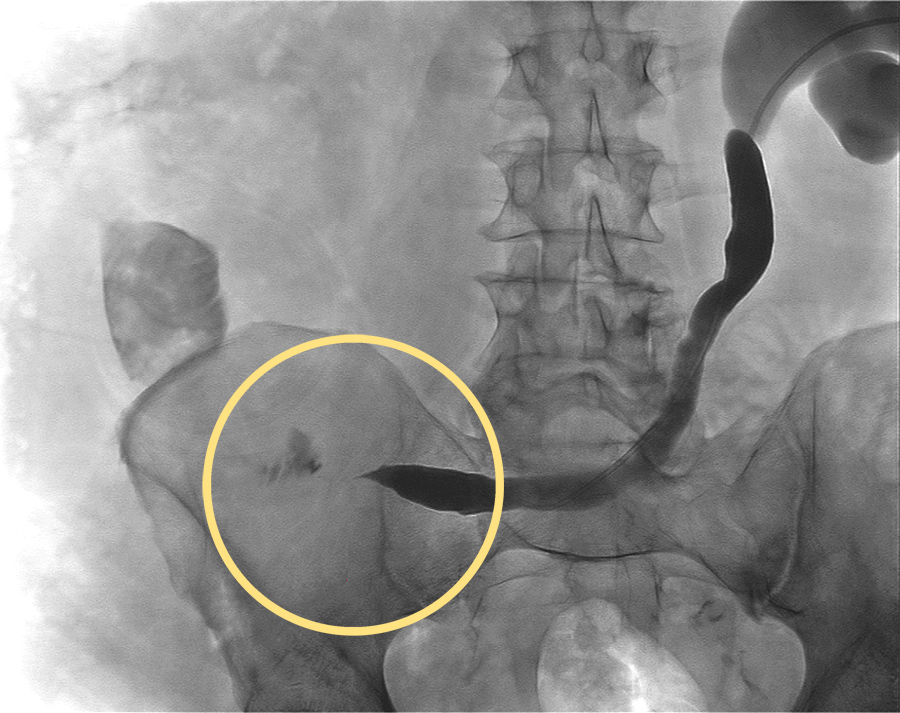
Urinary obstruction occurs when normal urine flow is restricted or blocked and can result from conditions such as ureteral stricture or ureteropelvic junction (UPJ) obstruction. Treatment focuses on restoring drainage, protecting kidney function and, when necessary, reconstructing the urinary tract using an approach tailored to the location and cause of the problem.
Learn More About Urinary Obstruction & Urologic Reconstruction
Voiding Dysfunction
Voiding dysfunction includes problems with bladder storage, urinary control and bladder emptying. Conditions such as urinary incontinence, overactive bladder and urinary retention can have different underlying causes, making accurate diagnosis important when selecting behavioral, medical, minimally invasive or surgical treatment.
Symptoms such as blood in the urine, difficulty urinating, urinary leakage, persistent flank or pelvic pain, changes in sexual function or an abnormal imaging result can have many possible causes. Evaluation by a urology specialist can help determine what is causing the problem and whether treatment or continued monitoring is appropriate.
Finding the Right Urologic Care

At Providence Saint John’s Health Center, our goal is to give patients a clear understanding of their diagnosis and access to personalized urologic care—from evaluation and surveillance to advanced medical, minimally invasive and surgical treatment.
For additional information, please call 310-582-7137 or request an appointment.