
The Role of Surgery in Urologic Cancer Care
Surgery can play an important role in treating many urologic cancers by removing a tumor, part of an affected organ or, when necessary, the entire organ where cancer developed. The type and extent of surgery depend on the cancer, its location and stage, whether it has spread, the patient’s overall health and how surgery fits within the larger treatment plan.
For some patients, surgery may be the primary treatment needed to control the cancer. For others, it may be combined with radiation therapy, systemic therapy or other treatments before or after the operation. The goal is not simply to perform surgery, but to use it when it offers meaningful benefit while considering urinary function, sexual function, kidney function and quality of life.
When Is Surgery Recommended?
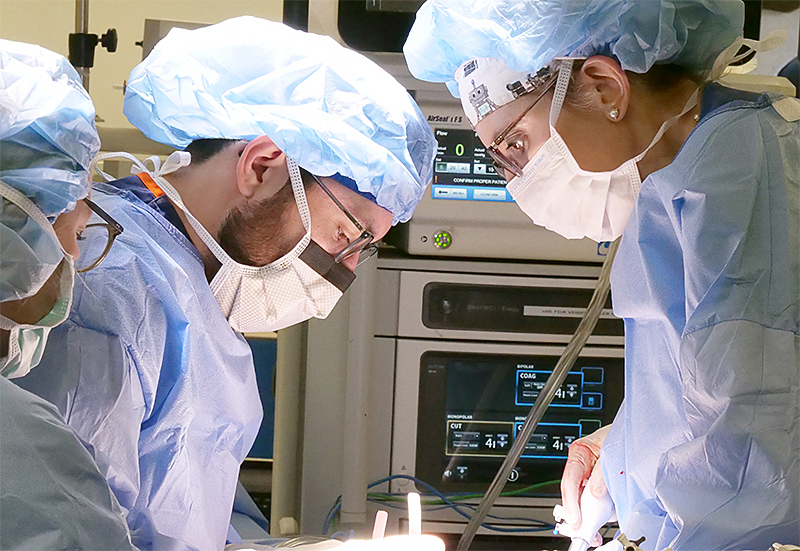
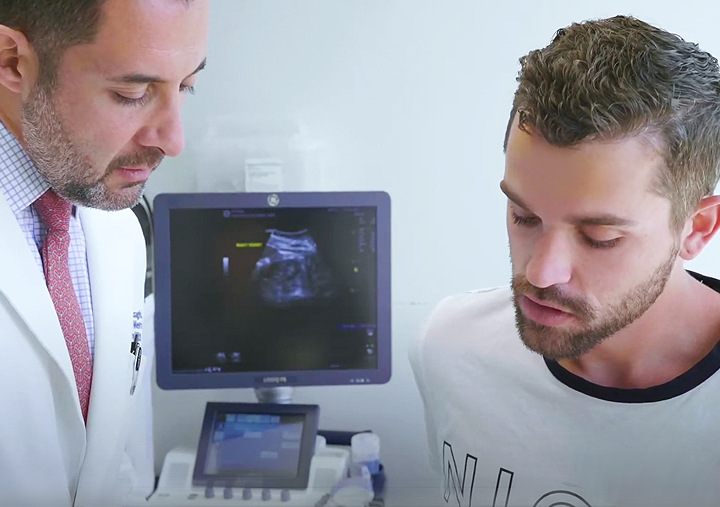
The decision to recommend surgery begins with understanding the cancer. Imaging, biopsy or other diagnostic testing can help determine the type of tumor, where it is located, how aggressive it appears to be and whether there is evidence that it has spread beyond its original site.
Surgery may be recommended when removing the cancer offers an appropriate opportunity for disease control, when an affected organ or structure must be removed or reconstructed, or when obtaining additional pathologic information will help guide subsequent care. In some situations, a less extensive operation can preserve healthy tissue and function without compromising the goals of cancer treatment.
Surgical Experience and Clinical Judgment
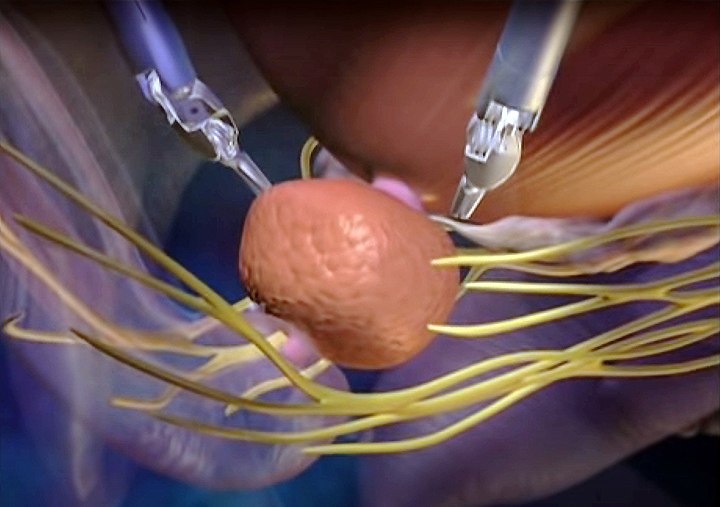
Urologic cancer surgery often involves structures that affect urinary, sexual and reproductive function and may require operating close to major blood vessels, nerves and other organs. Surgical planning therefore involves more than determining whether a tumor can be removed. The surgeon must consider how the operation can accomplish its cancer-related goals while preserving healthy tissue and function when clinically appropriate.
At Providence Saint John’s Health Center, urologists and urologic oncologists can work with medical oncologists, radiation oncologists and other specialists to determine how surgery fits within each patient’s overall care plan.
How Technology Supports Urologic Surgery
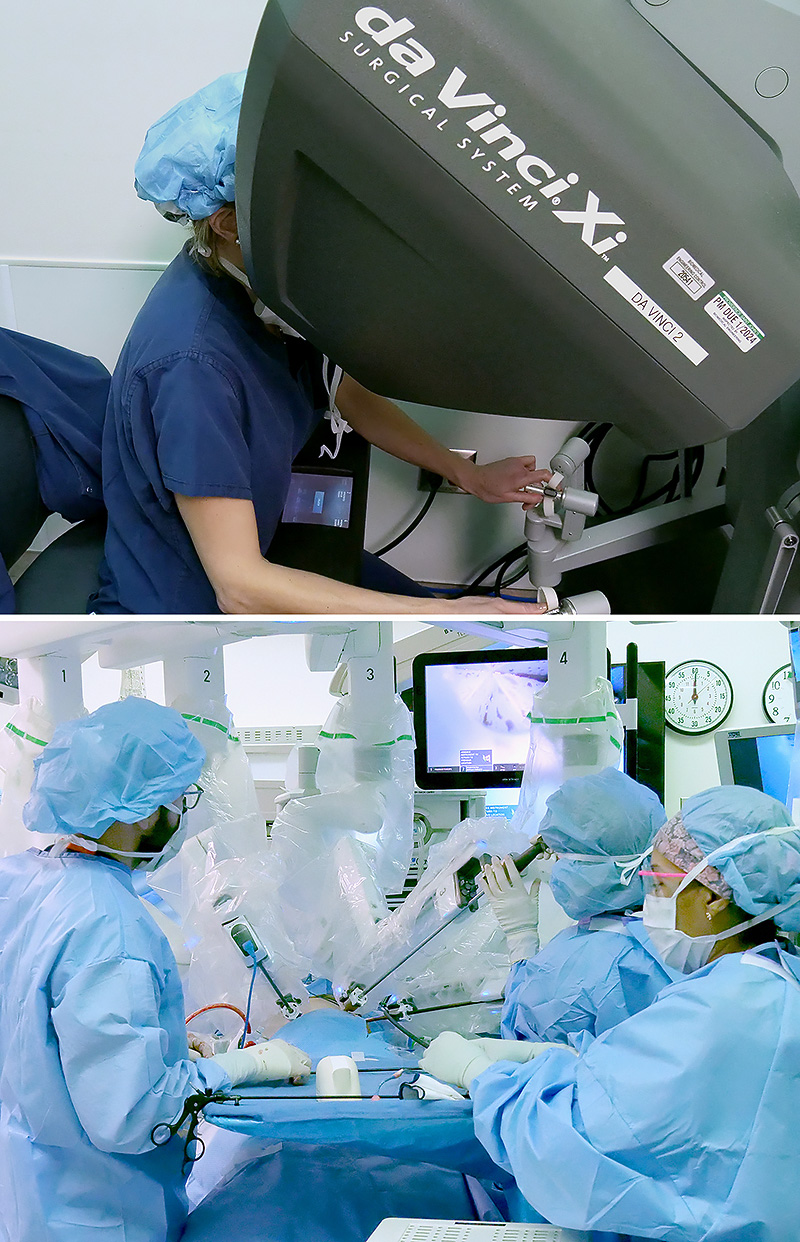
Advances in minimally invasive surgery, robotic-assisted techniques and medical imaging give surgeons additional tools for planning and performing complex urologic operations. These technologies can improve visualization and surgical access, but they do not determine which operation a patient needs or replace the surgeon’s clinical judgment and experience.
Robotic-Assisted Urologic Surgery
Robotic surgical systems provide magnified, three-dimensional visualization and articulated instruments that allow surgeons to work through small incisions within confined areas of the abdomen and pelvis. These capabilities can support detailed dissection, suturing and reconstruction during procedures involving the prostate, kidneys, bladder and urinary tract.
Compared with traditional open surgery, a minimally invasive robotic approach can reduce blood loss and may support a shorter hospital stay and earlier physical recovery for certain procedures. Whether robotic-assisted surgery is appropriate depends on the operation, the patient’s anatomy and health, previous treatment and the surgeon’s assessment of the safest and most effective approach.
Robotic Surgery and Reconstruction
Robotic technology can also support reconstructive procedures when the urinary tract must be repaired or rerouted. Precise dissection and suturing may be particularly useful when repairing narrowed ureters, restoring urinary drainage or creating new urinary pathways after removal of the bladder.
Learn more about Robotic Urologic Reconstruction.
3D Imaging and Surgical Planning
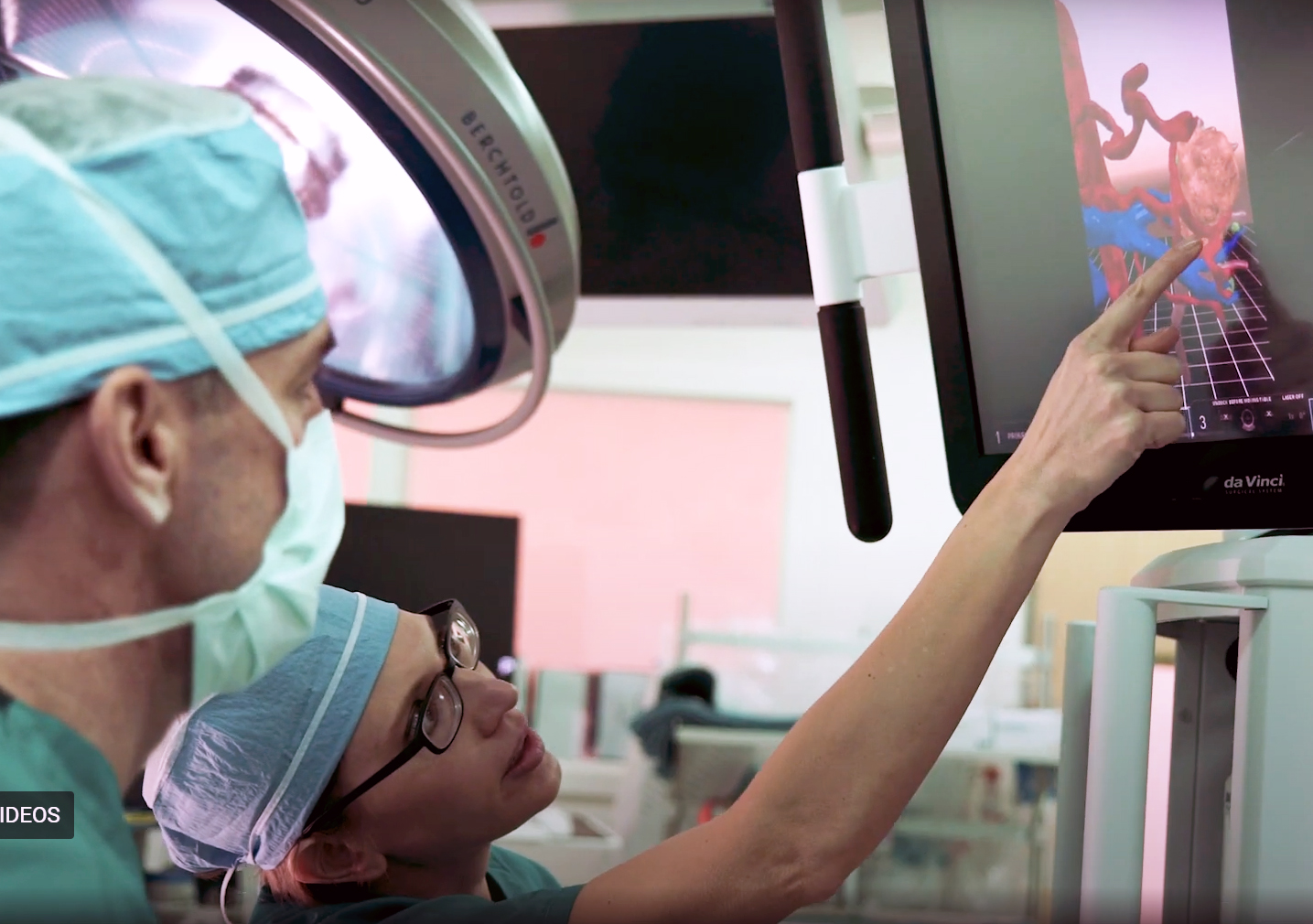
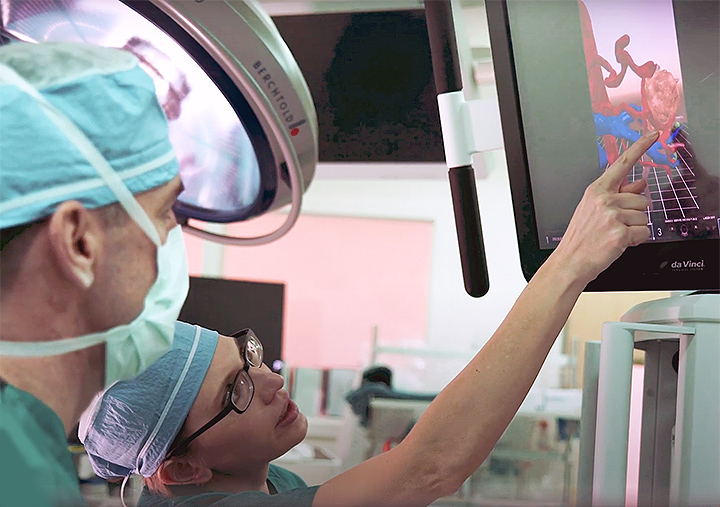
Advanced imaging can help surgeons understand the relationship between a tumor and nearby blood vessels, urinary structures and healthy tissue before an operation begins. Patient-specific three-dimensional models created from CT or MRI imaging can provide another way to visualize complex anatomy and plan the surgical approach.
These tools can be particularly useful when planning kidney surgery, where the location of a tumor in relation to blood vessels and healthy kidney tissue can influence how an operation is performed. Three-dimensional visualization may also help patients better understand their anatomy and the proposed procedure.
Listen to Jennifer Linehan, MD, Urologic Oncologist, discuss 3D imaging and surgical planning.
Surgery as Part of a Larger Treatment Plan
Surgery is one part of urologic cancer care, and what happens before or after an operation depends on the cancer and the individual patient. Some patients require no immediate cancer treatment beyond surgery and enter a period of surveillance. Others may receive systemic therapy, radiation therapy or another treatment before surgery, afterward, or as part of a coordinated treatment strategy.
The tissue removed during cancer surgery can also provide information that was not fully available before the operation. Pathology findings can clarify the cancer’s type, grade, extent, surgical margins and lymph node involvement when nodes are evaluated, helping the care team determine what follow-up or additional treatment may be appropriate.
When Additional Cancer Treatment Is Needed
Additional treatment after surgery is not automatically a sign that surgery was unsuccessful. Some cancers have characteristics that create a risk of microscopic disease beyond the area that was removed, while others may show evidence of persistence or recurrence during follow-up. Treatment decisions are based on the specific cancer, surgical pathology, imaging, laboratory findings and other individual risk factors.
Depending on the disease, additional treatment may include radiation therapy, hormone therapy, immunotherapy, targeted therapy, chemotherapy or other approaches.
Learn more about Radiation Therapy for Urologic Cancers.
Recovery, Function and Quality of Life

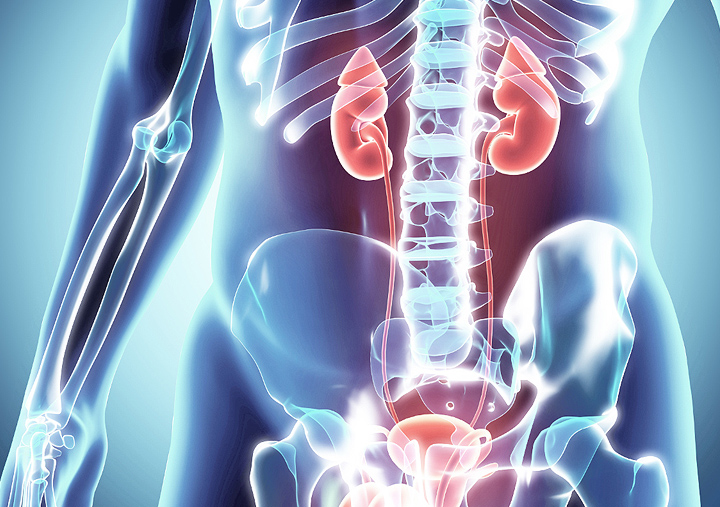
Recovery after urologic cancer surgery depends on the operation performed, overall health and function before treatment, and whether an organ or urinary structure has been removed or reconstructed. Surgery involving the prostate, bladder, kidneys or urinary tract can affect urinary, sexual, reproductive or kidney function in different ways.
These effects should be part of treatment planning rather than addressed only after surgery. When changes in function occur, rehabilitation, medications, supportive care, additional procedures or other treatments may help patients adapt and recover according to their individual needs.
Long-Term Follow-Up
Follow-up after surgery may include physical examinations, imaging, laboratory testing or cancer-specific monitoring such as PSA testing after prostatectomy. The purpose is both to monitor for recurrence and to address the longer-term effects of treatment.
The type and frequency of follow-up depend on the cancer, pathology findings, treatment received and individual risk. Your care team will explain what surveillance is appropriate and how your follow-up plan may change over time.
Multidisciplinary Urologic Cancer Care
At Providence Saint John’s Health Center, surgical treatment can be coordinated with medical oncology, radiation oncology, diagnostic imaging, pathology and other specialties when appropriate. This allows decisions about surgery to be made in the context of the entire cancer treatment plan rather than as an isolated procedure.

Our goal is to treat the cancer effectively while considering the patient’s recovery, function, quality of life and long-term health throughout the course of your care. If you have been diagnosed with a urologic cancer, our specialists can help you understand whether surgery may be part of your treatment and how it fits within your overall care plan.

Providence St. John’s Health Center
High Performing in Urology
High Performing in Urology
Saint John’s Health Center is nationally ranked and in the top 10% for Urology
Learn more at Health.USNews.com.