What Is Bronchiectasis?
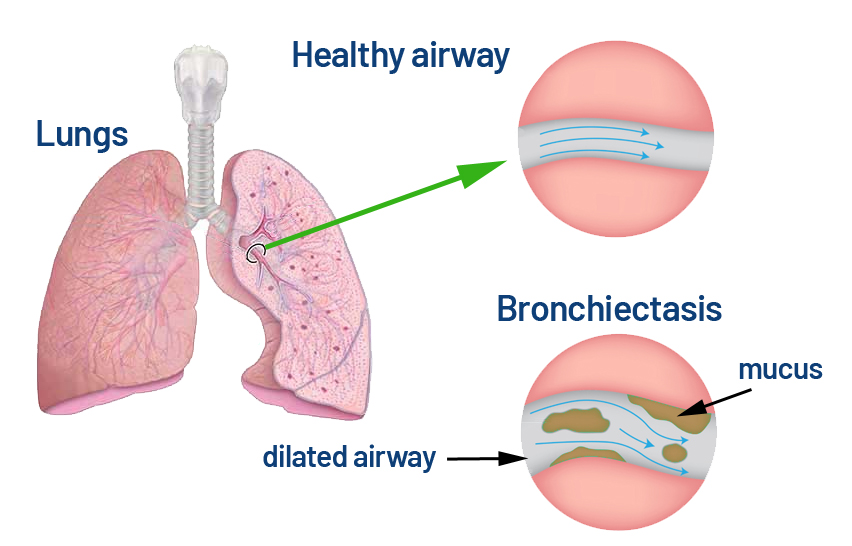
Bronchiectasis is a chronic lung condition in which the bronchial tubes become abnormally widened and damaged, making it difficult to clear mucus from the airways. The resulting buildup of mucus can contribute to recurrent lung infections and inflammation, which may cause further airway damage over time. Bronchiectasis can affect one or both lungs and range from relatively mild disease to more extensive disease that affects breathing, daily activity, and quality of life.
Bronchiectasis can develop for many different reasons, including previous severe respiratory infections, immune system disorders, genetic conditions, and inflammatory diseases. Identifying an underlying cause is important because it can influence treatment and help physicians address factors contributing to ongoing airway damage.
Causes of Bronchiectasis
Bronchiectasis develops when injury or inflammation damages the walls of the bronchial tubes and interferes with the lungs’ normal ability to clear mucus. Trapped mucus can allow bacteria and other microorganisms to persist in the airways, contributing to a cycle of infection, inflammation, and additional airway damage. Determining what initiated or continues to drive this process can be an important part of the evaluation.
Respiratory Infections
Severe or recurrent lung infections can damage the airways and contribute to bronchiectasis. Pneumonia, tuberculosis, whooping cough, and certain other respiratory infections may be associated with bronchiectasis, particularly when they cause significant or repeated inflammation within the lungs.
Cystic Fibrosis
Cystic fibrosis (CF) is an inherited disorder that causes abnormally thick and sticky mucus to accumulate in the lungs and other organs. In the airways, impaired mucus clearance can lead to chronic infection and inflammation and eventually contribute to bronchiectasis.
Autoimmune and Inflammatory Conditions
Some systemic inflammatory and autoimmune diseases can affect the lungs as well as other parts of the body. Rheumatoid arthritis and systemic lupus erythematosus are among the conditions that may be associated with bronchiectasis in some patients.
Immune System Disorders
Conditions that impair the immune system can make a person more susceptible to recurrent respiratory infections. Repeated or persistent infections may damage the bronchial walls over time and contribute to the development of bronchiectasis.
Allergic Bronchopulmonary Aspergillosis (ABPA)
Allergic bronchopulmonary aspergillosis is an inflammatory reaction to the fungus Aspergillus that most commonly occurs in susceptible people with asthma or cystic fibrosis. Persistent inflammation and mucus plugging associated with ABPA can damage the airways and lead to bronchiectasis.
Airway Obstruction and Other Causes
Bronchiectasis can sometimes develop when part of an airway becomes obstructed, preventing normal mucus clearance. An inhaled foreign object, an airway growth, or another localized obstruction may contribute to bronchiectasis in a specific area of the lung.
In some patients, despite a thorough evaluation, a specific underlying cause cannot be identified. This is sometimes referred to as idiopathic bronchiectasis.
How Is Bronchiectasis Diagnosed?
Diagnosing bronchiectasis typically begins with a medical history and physical examination followed by imaging and other tests to evaluate the structure and function of the lungs. High-resolution computed tomography (HRCT) is the primary imaging test used to confirm bronchiectasis, while additional testing can help determine its severity, identify infection, and investigate possible underlying causes.
Medical History and Physical Examination
The evaluation may include questions about chronic cough, mucus production, recurrent respiratory infections, shortness of breath, fatigue, previous pneumonia or tuberculosis, and other medical conditions that could contribute to airway damage. Physicians may also ask about childhood respiratory illnesses, family history, immune disorders, and the frequency and severity of pulmonary infections.
High-Resolution CT (HRCT) Scan
High-resolution computed tomography provides detailed cross-sectional images of the lungs and is the principal imaging study used to confirm bronchiectasis. HRCT can show abnormal widening of the bronchial tubes, thickening of the airway walls, mucus plugging, and the distribution and extent of disease within the lungs.
Chest X-Ray
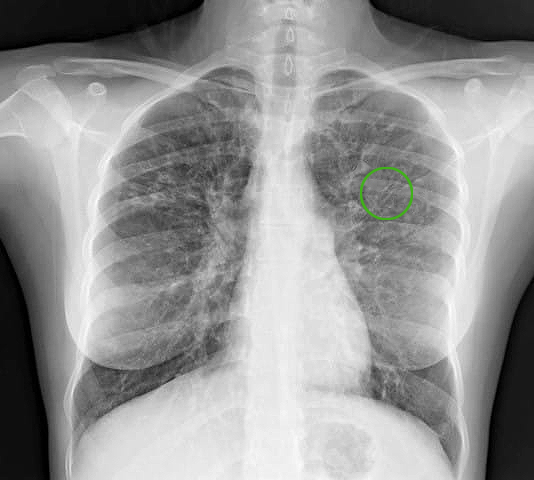
A chest X-ray may show abnormalities that suggest bronchiectasis or another pulmonary condition, particularly when disease is more extensive. However, an X-ray may not detect mild or early bronchiectasis, so HRCT is generally needed when the condition is suspected.
Sputum Testing
A sample of mucus coughed from the lungs can be analyzed to identify bacteria, fungi, or other microorganisms that may be contributing to infection. Sputum testing can also help physicians select appropriate antimicrobial treatment when an active infection or exacerbation is present.
Pulmonary Function Tests
Pulmonary function tests (PFTs) measure airflow, lung volumes, and other aspects of respiratory function. These tests can help determine how bronchiectasis is affecting breathing, establish a baseline for future comparison, and identify accompanying airflow obstruction.
Bronchoscopy
Bronchoscopy allows a pulmonologist to examine the airways using a thin, flexible tube equipped with a camera. It is not necessary to diagnose bronchiectasis in every patient but may be useful when physicians suspect an airway obstruction, need respiratory samples that cannot be obtained otherwise, or are investigating disease concentrated in a particular area of the lung.
Testing for an Underlying Cause
Because bronchiectasis can result from many different conditions, additional testing may be recommended to identify an underlying cause. Depending on the patient’s history and clinical findings, this may include blood tests to evaluate immune function, testing for allergic bronchopulmonary aspergillosis, evaluation for cystic fibrosis or other inherited disorders, and testing for specific infections.
If you have questions about Bronchiectasis symptoms or diagnosis, please call today. Click here to request an appointment.