

How We Treat Chest Wall Tumors
Chest wall tumors include a diverse group of benign and malignant growths involving the ribs, sternum, muscles, cartilage, and soft tissues of the chest wall. Treatment is individualized according to the tumor type, size, location, extent, and whether it has spread. At Saint John’s Health Center, thoracic surgeons work with medical oncologists, radiation oncologists, pathologists, radiologists, and reconstructive specialists when needed to develop a coordinated treatment plan that balances effective tumor control with preservation of chest wall stability, breathing, and function.
Treatment Options for Chest Wall Tumors
Some benign chest wall tumors can be monitored, while others may need treatment because they are growing, causing symptoms, or cannot be confidently characterized as benign. Malignant chest wall tumors often require a combination of surgery, systemic therapy, radiation therapy, or reconstruction, but the sequence and type of treatment depend on the specific diagnosis. For many primary malignant chest wall tumors, surgery remains an important part of treatment when the tumor can be completely removed safely.
Chest Wall Tumor Surgery
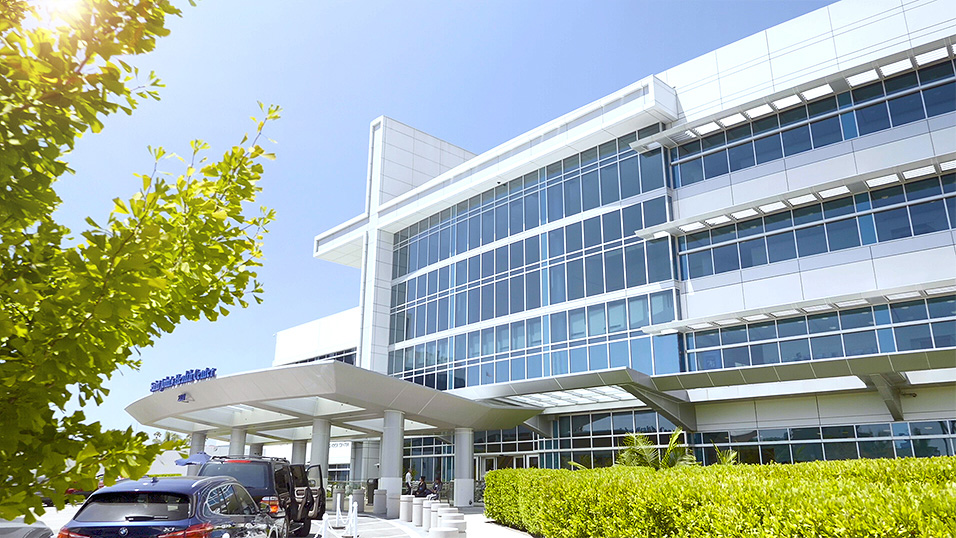
Surgery is a primary treatment for many malignant chest wall tumors and may also be recommended for selected benign tumors that are symptomatic, enlarging, or difficult to characterize. The goal is to remove the tumor completely while preserving as much normal tissue and function as possible. Depending on the location and extent of the tumor, surgery may involve removal of part of one or more ribs, the sternum, muscle, or nearby soft tissue.
For malignant tumors, surgeons plan the operation carefully to achieve an adequate margin of healthy tissue around the tumor whenever possible. The surgical approach may be open, minimally invasive, or combined depending on the tumor’s size, location, and relationship to surrounding structures. Not every chest wall tumor is suitable for a minimally invasive or robotic approach, and the priority is always safe and complete tumor removal.
Chest Wall Reconstruction
Chest wall reconstruction may be needed when tumor removal leaves a defect large enough to affect stability, breathing mechanics, protection of internal organs, or soft-tissue coverage. Reconstruction is planned according to the size and location of the defect and the tissues removed during surgery.
Materials such as surgical mesh, plates, or other prosthetic or biologic materials may be used to restore chest wall support. In more extensive cases, muscle or other tissue may be moved into the area to provide coverage and help restore contour and function. Thoracic and reconstructive specialists may work together when complex reconstruction is required.
Chemotherapy and Other Systemic Therapies
Systemic treatment is not required for every chest wall tumor. Its role depends largely on the tumor type and its biologic behavior. Certain malignancies, including some bone and soft-tissue sarcomas, may be treated with chemotherapy before surgery, after surgery, or as part of treatment for advanced disease.
Other tumors respond differently to chemotherapy, so treatment decisions are based on the specific pathology rather than the location of the tumor alone. For selected advanced tumors, additional systemic options such as targeted therapy or immunotherapy may also be considered when appropriate.
Radiation Therapy
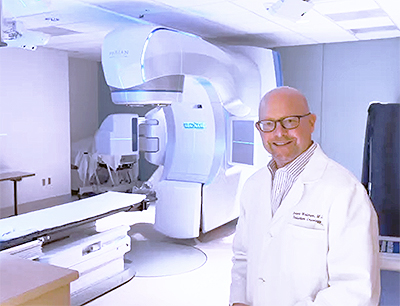
Radiation therapy may be used for selected malignant chest wall tumors before surgery, after surgery, or as the primary local treatment when surgery is not appropriate. The decision depends on the tumor type, location, surgical margins, and risk of recurrence.
Modern radiation therapy techniques can shape and guide treatment around the tumor while limiting exposure to nearby healthy tissues such as the lungs and heart. The Vasek Polak Radiation Oncology Department at Saint John’s Health Center uses advanced external beam radiation therapy technologies to individualize treatment according to the patient’s diagnosis and treatment goals.
Multidisciplinary Treatment Planning
Because chest wall tumors can arise from bone, cartilage, muscle, connective tissue, or other structures, establishing the correct diagnosis is essential before treatment begins. Imaging, biopsy results, tumor pathology, and the relationship of the tumor to surrounding structures all help determine whether surgery should be performed first or whether systemic therapy or radiation should be considered before an operation.
Complex malignant tumors may benefit from coordinated review by thoracic surgery, medical oncology, radiation oncology, pathology, radiology, and reconstructive surgery. This approach helps ensure that treatment is matched to the tumor biology while also planning for chest wall stability, breathing function, and recovery.
Additional Condition Information
Please see Chest Wall Conditions
Advanced Thoracic Care for Chest Wall Tumors

At Providence Saint John’s Health Center, patients with chest wall tumors receive individualized treatment based on the tumor type, location, extent, and relationship to surrounding structures. Our thoracic specialists work closely with medical oncology, radiation oncology, radiology, pathology, and reconstructive specialists when needed to develop a coordinated treatment plan.
Treatment may include observation, surgical resection, chest wall reconstruction, systemic therapy, radiation therapy, or a combination of approaches. The goal is to treat the tumor effectively while preserving chest wall stability, respiratory function, comfort, and long-term quality of life.
If you have been diagnosed with a chest wall tumor, our thoracic specialists can help you understand the diagnosis, treatment options, and the next steps in your care.
If you have questions regarding Chest Wall Tumors and Treatment, please call today. Click here to request an appointment.